

Why Yoga Works for Exam Stress
Before diving into the movements, it's helpful to understand why yoga is so effective. The practice combines physical postures, controlled breathing, and mindfulness. This combination helps lower the body's stress hormone, cortisol, which is responsible
for feelings of tension and anxiety. Studies show that regular yoga can calm the nervous system, improve blood circulation to the brain, and enhance focus and memory. Even just a few minutes of gentle stretching and deep breathing between study sessions can make a significant difference in how you feel, helping to release the physical and mental knots that exams can create.
Balasana (Child's Pose) to Calm Your Mind
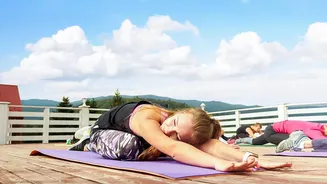
This is a deeply restorative pose that is perfect for when you feel overwhelmed. Child's Pose gently stretches the back, hips, and shoulders, releasing the tension that builds up from hunching over books. It also encourages deep, slow breathing, which has a direct calming effect on the nervous system. To do it, kneel on the floor, sit back on your heels, and fold forward, resting your forehead on the ground. You can stretch your arms forward or rest them alongside your body. Hold for 30 seconds to a minute, focusing on the sensation of your breath expanding your back.
Marjaryasana-Bitilasana (Cat-Cow Stretch) for Spine Stiffness
Sitting for long periods can make the spine feel rigid and sore. The Cat-Cow stretch is a gentle, flowing movement that warms up the spine and relieves tension in the neck and upper back. Start on your hands and knees in a 'tabletop' position. As you inhale, drop your belly, lift your chest and look forward (Cow Pose). As you exhale, round your spine up towards the ceiling, tucking your chin to your chest (Cat Pose). Flowing between these two positions for a minute or two helps improve flexibility and massages the muscles of the back, undoing the stiffness from sitting.
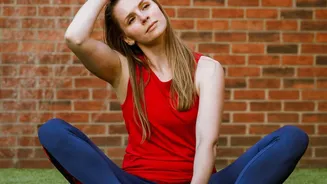
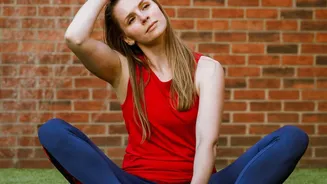
Sukhasana (Easy Pose) with Neck Rolls
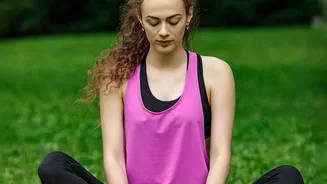
Much of our study-related tension settles in the neck and shoulders. This simple seated movement directly targets that stiffness. Sit comfortably on the floor with your legs crossed in what's known as 'Easy Pose'. Sit up tall to lengthen your spine. Gently drop your right ear towards your right shoulder, feeling a stretch along the left side of your neck. Hold for a few breaths, then slowly roll your chin down to your chest and over to the left side. Never force the movement or roll your head all the way back. This gentle motion releases tightness and can help alleviate tension headaches.
Viparita Karani (Legs-Up-The-Wall Pose) for Fatigue
This incredibly simple and relaxing pose is a fantastic way to reset after a long day of studying. It helps to calm the nervous system and can improve circulation after hours of being sedentary. To practice it, simply lie on your back and bring your hips as close to a wall as is comfortable. Extend your legs straight up the wall, allowing them to rest fully. Your body will form an 'L' shape. Rest your arms by your sides with palms facing up. Close your eyes and breathe deeply for 5 to 10 minutes. This restorative posture helps reduce fatigue and quiet a racing mind, leaving you feeling refreshed.