


The Great Indian Snack-Over
For generations, Indian snacking has been synonymous with a rich tapestry of flavours, most of them fried, savory, and irresistibly indulgent. From the street-side vendor selling piping hot pakoras to the comforting crunch of namkeen from a neighbourhood
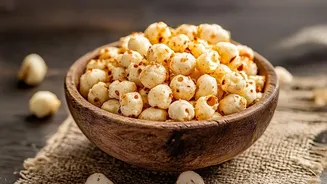
store, these snacks are deeply woven into the country's cultural fabric. Yet, a palpable change is underway. The snack aisle is expanding, and on the new shelves, packets of roasted seeds, flavoured nuts, and most notably, makhana (fox nuts), are vying for attention—and winning. This isn’t just about adding new options; it’s about a fundamental transformation in what Indians want from their mid-meal bites. The shift indicates a move away from seeking pure indulgence towards a more balanced approach where health, convenience, and even identity play crucial roles.
The Health-Conscious Consumer
The single biggest driver behind this trend is a surge in health and wellness awareness. With rising instances of lifestyle diseases and greater access to information, urban and semi-urban Indians are becoming increasingly conscious of their dietary habits. A 2025 consumer insights study found that health is a primary factor in snacking decisions for a majority of respondents. People are actively looking for snacks with functional benefits, like being high in protein or free from gluten. This conscious consumerism has created a booming market for healthy snacks in India, a sector expected to grow significantly faster than the global average. Consumers are now reading labels, preferring natural ingredients, and are even willing to pay a premium for healthier options.
Makhana’s Moment in the Sun
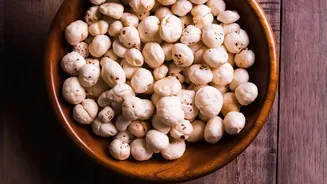
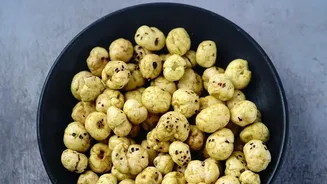
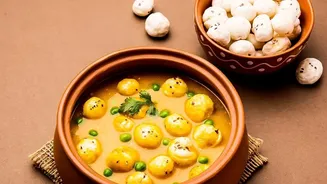
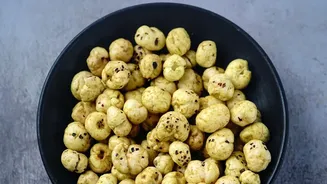
No single product embodies this shift better than makhana. Traditionally a humble food, often consumed during religious fasts, makhana has been spectacularly rebranded as a modern superfood. It ticks all the right boxes for today’s consumer: it's low in calories, rich in protein and minerals, gluten-free, and has a low glycemic index. What has truly propelled its growth, however, is innovation. Brands have taken this traditional ingredient and given it a contemporary makeover with a variety of flavours, from peri-peri to pudina. The market for makhana has seen explosive growth as a result, with projections showing it becoming a multi-billion dollar industry. Bihar, which produces the vast majority of the world's makhana, is at the heart of this boom, with government support aiming to boost its production and export potential.
Convenience is the New King
The demands of modern urban life are also shaping this trend. Compressed lifestyles mean less time for elaborate snack preparation. Packaged nuts, seeds, and roasted makhana offer a perfect solution: they are nutritious, ready-to-eat, and easy to consume on the go. This need for convenience has fuelled the rise of countless direct-to-consumer (D2C) brands that have disrupted the market. Through slick packaging, savvy digital marketing, and the reach of e-commerce platforms, these brands have made healthy snacking more accessible and aspirational than ever before. The rapid expansion of quick commerce has further accelerated this, putting a healthy snack just a few clicks away.
A Return to Traditional Wisdom
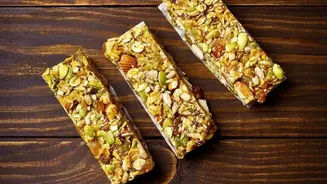
Interestingly, this modern trend is also a return to roots. While the packaging is new, the ingredients themselves—nuts, seeds, and millets—are ancient staples of the Indian diet, valued for their nutritional properties for centuries. The wellness movement has sparked a renewed interest in traditional foods that our grandparents might have recommended. Brands are tapping into this sentiment, often highlighting the traditional origins of their ingredients while presenting them in a format that fits a modern lifestyle. It represents a desire to connect with the past while embracing the future, a blend of tradition and innovation that feels uniquely Indian. This isn't about rejecting Indian snacks but reinterpreting them for a new generation.