



Shop with a Strategy
Finding value in premium staples begins at the store. Instead of grabbing the largest, most expensive bottle, start with intention. For items like extra-virgin olive oil, look for harvest dates and quality seals to ensure freshness and authenticity. Many
specialty food stores offer tastings, allowing you to sample products before committing. For ingredients you're trying for the first time, like high-quality anchovies or a unique spice blend, buying the smallest available quantity is a wise move. This approach lets you experiment without a significant financial commitment. Building a premium pantry is a marathon, not a sprint. A few well-chosen items that you genuinely love and use will provide more value than a shelf full of expensive ingredients that gather dust.
Master the Art of Storage
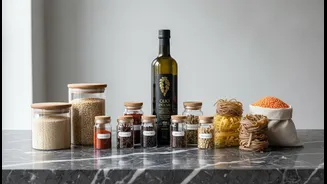
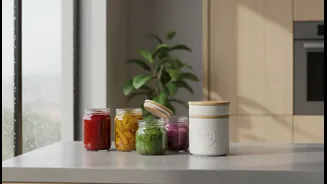
Once you've brought your premium goods home, proper storage is crucial to protect your investment. Heat, light, and air are the primary enemies of quality ingredients. Extra-virgin olive oil should be kept in a cool, dark place like a pantry—never next to the stove. Its delicate flavours can be destroyed by heat and light, which is why reputable brands use dark glass or tin containers. Spices, especially ground ones, lose their potency when exposed to air and light. Transfer them to airtight jars and store them away from sunlight. Whole spices will retain their flavour much longer than pre-ground versions. While it requires an extra step, grinding spices as needed releases a much more vibrant aroma and taste, ensuring you get the full experience you paid for.
Use Them for Maximum Impact
Premium staples are often potent and designed to be finishing touches rather than primary cooking components. A common mistake is using a high-end, cold-pressed olive oil for high-heat frying, which can destroy its nuanced, fruity flavours. Instead, use these superior oils for drizzling over finished dishes like salads, soups, or roasted vegetables to let their quality shine. The same principle applies to aged balsamic vinegar, which has a syrupy texture and sweet complexity perfect for finishing everything from grilled peaches to Parmesan cheese. Flaky sea salt offers a textural crunch and clean salinity that is best appreciated when sprinkled on a dish just before serving. By using these ingredients where they can make the biggest difference, a small amount provides a huge return in flavour.
Make Every Last Bit Count
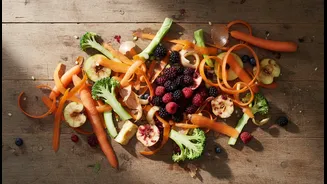
Extracting every bit of value means getting creative and reducing waste. Don't discard the rind of a good block of Parmesan cheese; toss it into your next soup or sauce to impart a rich, savoury depth. A vanilla bean pod that has had its seeds scraped out can be submerged in a jar of sugar to create fragrant vanilla sugar for baking or sweetening coffee. You can also make your own infused oils. Add leftover fresh herbs like rosemary or a few cloves of garlic to a bottle of good-quality olive oil and let it sit for a week to create a custom flavour enhancer for bread dipping or salad dressings. Thinking this way transforms remnants into new opportunities, stretching your initial purchase further than you thought possible and adding another layer of flavour to your kitchen.