

The Enemies of the Pantry
Before we dive into specifics, it's crucial to understand why opened dry goods decline. The primary culprits are oxygen, light, heat, and moisture. Oxygen causes fats and oils to oxidize and turn rancid, which is why nuts, seeds, and whole-grain flours
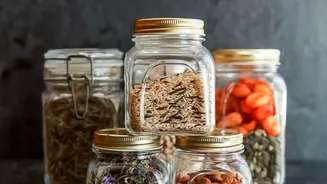
spoil faster than you'd think. Light degrades the colour and potency of spices. Heat can accelerate all these processes, and moisture invites mould and clumping. Finally, improper storage can attract pantry pests. The secret to longevity is keeping these elements at bay. Transferring goods from their original paper or plastic bags into airtight containers is your single best defence. Store these containers in a cool, dark, and dry place like a cupboard or pantry, never above the stove where heat and steam are constant.
Flours, Grains, and Pastas
Not all flours are created equal when it comes to shelf life. Refined all-purpose white flour, with its bran and germ removed, can last for up to a year if stored properly. However, whole-wheat and other whole-grain flours contain natural oils in the germ that will go rancid. Once opened, they should be used within three to six months. For longer storage, keep them in the freezer. The same logic applies to rice; white rice can last for years, but brown rice, with its oil-rich bran layer, is best used within six months of opening. Dry pasta and rolled oats are quite stable and can last one to two years past their 'best by' date, provided they are kept dry and sealed.
Nuts and Seeds: A Race Against Rancidity
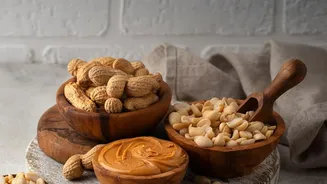
Nuts and seeds are nutritional powerhouses, but their high oil content makes them particularly vulnerable to spoilage. Once you open a package, the clock starts ticking. For short-term use, an airtight container in a cool pantry is sufficient, keeping them fresh for one to three months. However, for longer-term storage, the refrigerator is your best friend, extending their life to six months or more. For bulk purchases, the freezer is the ultimate solution, preserving nuts and seeds for a year or even longer. How can you tell if they've turned? A bitter, soapy, or paint-like smell is the tell-tale sign of rancidity. At that point, they are unpleasant to eat and should be discarded.
Spices and Herbs: The Potency Problem
Do spices expire? Yes and no. They don't typically become unsafe to eat, but they absolutely lose their flavour, aroma, and colour, defeating their entire purpose. Once a spice is ground, its surface area is vastly increased, exposing its volatile oils to air and causing it to lose potency much faster than its whole counterpart. As a general rule, ground spices are at their best for about six to twelve months. Whole spices, like peppercorns or cinnamon sticks, can last for two to four years. To check if a spice is still good, crush a little in your palm; if the aroma is faint and the flavour is dull, it's time for a replacement.
Baking Staples: Leaveners, Sugars, and Salt
Some pantry items are nearly eternal. Salt, a mineral, will last indefinitely, though additives in seasoned salt might lose their punch over time. Granulated sugar and honey, thanks to their low moisture content, are also incredibly stable and can last for years. Brown sugar can harden as it dries out, but it’s still perfectly good to use. On the other hand, chemical leaveners like baking soda and baking powder work by reacting to create gas. Over time and with exposure to humidity, they lose this power. An open container is generally good for about six months to a year. To test baking powder, drop a spoonful into hot water; if it fizzes vigorously, it’s still active. For baking soda, add a bit of vinegar; a strong reaction means it’s still good.