






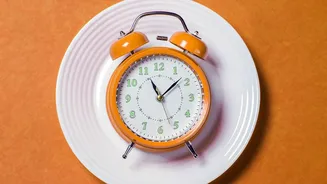
Working With Your Body's Clock
The secret lies in a concept called chrononutrition, which studies the relationship between our eating schedules and our body's internal 24-hour clock, or circadian rhythm. This internal clock doesn't just dictate when we feel sleepy or alert; it also
manages functions like hormone production, digestion, and metabolism. Our bodies are primed to process food most efficiently during our active hours. Research shows that insulin sensitivity, your body's ability to effectively use the hormone that processes sugar, is naturally higher in the morning and early afternoon. As evening approaches, this sensitivity wanes. Eating in sync with these natural rhythms can therefore have a profound impact on our health.
The Metabolic Advantage of an Early Feast
Consuming your largest meal in the early afternoon, when your metabolism is at its peak, allows your body to use those calories for energy more effectively. Studies indicate that eating the same meal in the evening versus earlier in the day can lead to a significantly higher blood sugar spike at night. When you eat a large dinner late in the evening, you're essentially asking your digestive system to work overtime when it's preparing to wind down. This can lead to impaired glucose tolerance and a higher risk over time of developing metabolic issues like insulin resistance. In contrast, a substantial midday meal allows your body to better manage blood sugar and can even reduce the time your blood sugar remains elevated after eating, a key marker of good metabolic health.
Connecting Mealtime to Restful Nights
The timing of your last big meal also has a direct effect on your sleep. A heavy meal close to bedtime can increase your core body temperature as your system works to digest it, which can interfere with the natural drop in temperature needed to initiate and maintain deep sleep. Furthermore, eating late can disrupt the release of hormones critical for sleep. For instance, insulin production can interfere with the production of melatonin, the primary sleep hormone. Late eating is often associated with poorer sleep quality, taking longer to fall asleep, and waking more during the night. By shifting your main calorie intake to earlier in the day and opting for a lighter, easily digestible dinner, you give your body several hours to process food before you lie down, paving the way for a more restorative night's rest.
Making the Shift: Practical Steps
The idea of having your biggest meal in the afternoon follows the 'breakfast like a king, lunch like a prince, and dine like a pauper' model. Aim to make lunch your most substantial meal and finish your dinner at least three to four hours before you plan to go to sleep. This doesn't mean you have to starve yourself in the evening. A smaller, balanced dinner can consist of lean protein, cooked vegetables, or a bowl of soup. Some studies show that while front-loading calories may not directly impact the number of calories burned, it significantly reduces hunger and cravings later in the day, making it easier to avoid late-night snacking and stick to healthier eating patterns. Start gradually by slightly increasing your lunch portion while reducing your dinner size until the new rhythm feels natural.