
An Antidote to the Grey Skies
The relentless grey of a monsoon sky can dampen anyone's spirits. Yet, the sight of lush, green trees can act as a powerful psychological antidote. This isn't just a feeling; it's rooted in a concept called 'biophilia'—the innate human tendency to connect
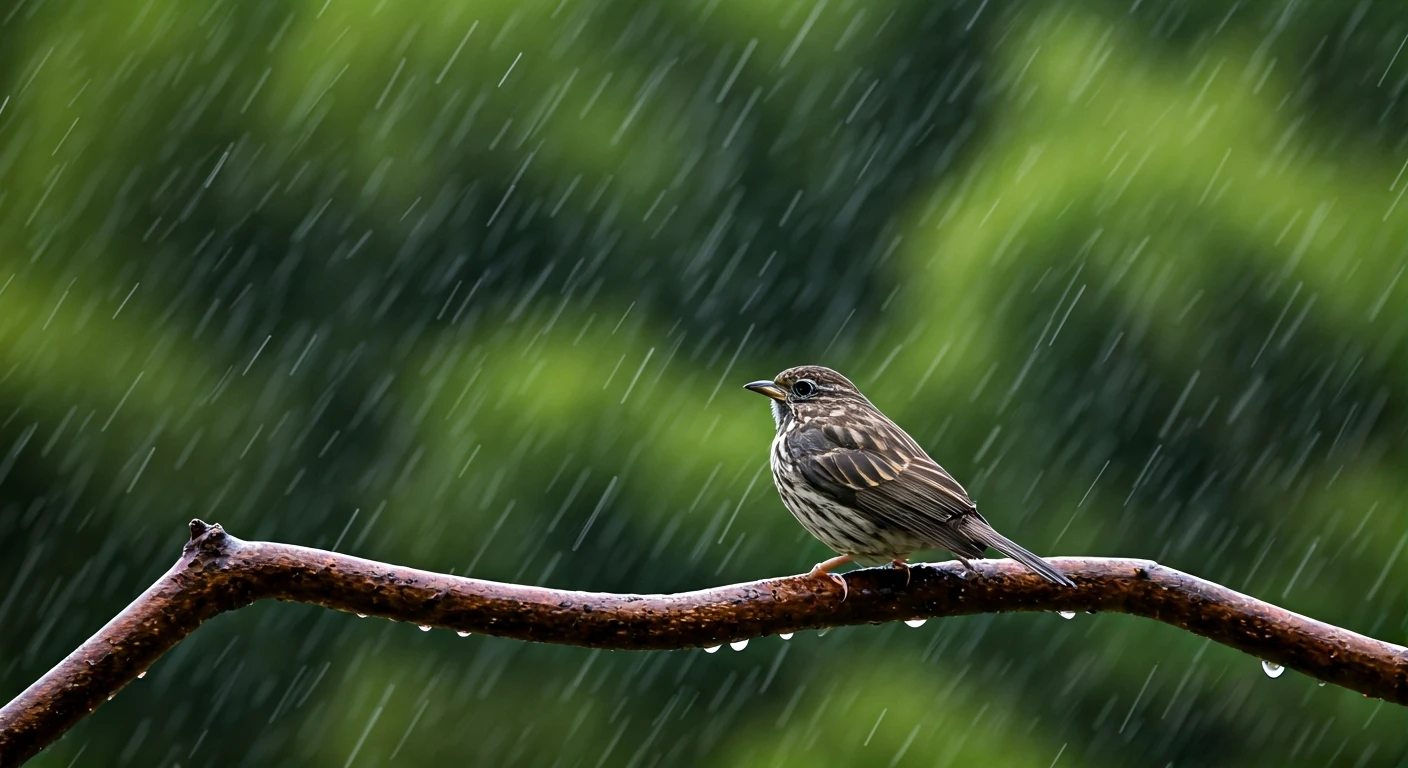
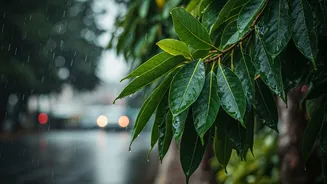
with nature. Studies show that exposure to green spaces can significantly reduce stress, anxiety, and feelings of depression. Researchers have found that even having trees within walking distance of your home can lower the odds of psychological distress. In the middle of a downpour, the vibrant green of a rain-washed leaf provides a point of focus and sensory relief from the hard, concrete angles of the city. The rustling of leaves and the gentle patter of rain on the canopy create a soothing soundscape that can calm the mind, a welcome contrast to the blare of city traffic.
The Unsung Environmental Heroes
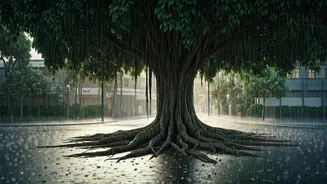
Beyond their beauty, street trees are crucial pieces of green infrastructure, especially during heavy rains. One of the biggest monsoon menaces is urban flooding, and trees are a first line of defence. A mature tree's canopy intercepts a significant amount of rainfall, slowing it down before it hits the ground and allowing much of it to evaporate back into the atmosphere. This simple act takes immense pressure off our overburdened drainage systems. Furthermore, their extensive root systems act like sponges. They create channels in the soil that increase its capacity to absorb water, preventing it from pooling on streets and causing waterlogging. A single mature tree can absorb hundreds of litres of water through its roots each day, effectively managing stormwater at its source. They also help filter pollutants from runoff, ensuring cleaner water enters our rivers and lakes.
A Symphony for the Senses
The monsoon experience is a sensory one, and trees enhance it in beautiful ways. They amplify the beloved scent of 'petrichor'—the earthy smell released when rain hits dry soil. The sight of a city washed clean, with glistening leaves and dark, wet bark, offers a fresh perspective on a familiar landscape. The world simply feels and sounds softer under a tree canopy during a shower. These trees also combat the 'urban heat island' effect. Even during the humid monsoon, cities can feel uncomfortably warm. Through a process called evapotranspiration, trees release moisture into the air, acting as natural air conditioners and providing cool pockets of relief across the city. This cooling effect not only makes a walk in a light drizzle more pleasant but also reduces energy demands for artificial cooling.
Fostering Community and Connection
Street trees and small urban green spaces do more than just manage the environment; they nurture community. They provide natural gathering spots and offer shelter from a sudden shower, turning a moment of inconvenience into an opportunity for a shared experience with neighbours or strangers. Parks and tree-lined avenues encourage people to step outside, even in damp weather, for a walk or a moment of quiet reflection. This connection to public, natural spaces is linked to a greater sense of well-being and community cohesion. In a country like India, where rapid urbanisation often leads to the loss of green cover, protecting and expanding the urban forest is not just an environmental issue, but a social one. Initiatives like the Nagar Van Yojana aim to increase this green footprint, recognizing its importance for the quality of urban life.