






The End of the ‘Hustle’ Era
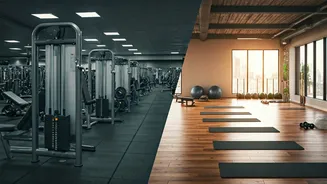
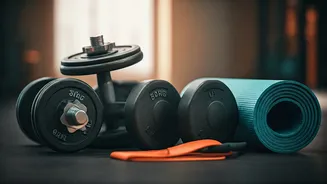
For decades, the fitness world was dominated by a simple, brutal mantra: no pain, no gain. We glorified pushing through exhaustion, celebrated muscle soreness as a sign of progress, and treated rest days as a necessary evil, if not an outright failure
of will. Social media was flooded with images of pre-dawn workouts and motivational quotes shaming anyone who dared to take a break. This ‘hustle culture’ aesthetic wasn’t just about fitness; it was a philosophy that bled into our work and personal lives, promoting burnout as a badge of dedication. But the tide has turned. A cultural shift, accelerated by a global pandemic that forced us to re-evaluate our health, has finally put that outdated mindset to bed. The new wisdom? You don’t get stronger in the gym; you get stronger when you recover from your time in the gym.
Tech Made Recovery Quantifiable
A major catalyst for this change has been technology. For years, the only metrics we could easily track were reps, weights, and kilometres run. Recovery, on the other hand, felt abstract. How do you measure rest? The answer came in the form of sophisticated wearables from brands like Whoop, Oura, and Garmin. Suddenly, the invisible became visible. Metrics like Heart Rate Variability (HRV), sleep quality, and respiratory rate gave us a daily report card on our body's readiness to perform. Instead of guessing how we felt, we had data. This gamified rest. People began competing with friends over their ‘recovery scores’ and bragging about their sleep quality with the same pride they once took in a new personal best. Tech made recovery tangible, strategic, and, most importantly, cool.
The New Tools of the Trade
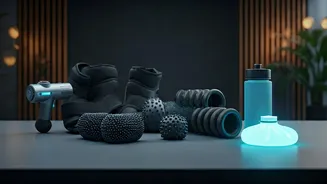
With this new focus has come a booming industry of recovery tools and services that go far beyond a simple foam roller. The modern recovery toolkit looks like something out of a science-fiction film. Percussive therapy devices, or massage guns, are now a staple in gym bags, offering targeted relief for sore muscles. Pneumatic compression boots, once reserved for professional athletes, are becoming more accessible, helping to flush out metabolic waste and reduce inflammation. Beyond at-home gadgets, dedicated recovery studios are popping up in major cities, offering services like cryotherapy (brief exposure to extreme cold), infrared saunas (which use light to create heat), and flotation tanks (sensory deprivation tanks filled with saltwater). While some of these come with a hefty price tag, their growing popularity signals a fundamental change in what we value as part of a healthy lifestyle.
It’s About Sustainability, Not Laziness
Crucially, this trend isn’t an excuse to be lazy. It’s the exact opposite. It’s a strategic move towards long-term, sustainable performance. Elite athletes have always known this. Legends like Virat Kohli and LeBron James don’t just invest in training; they invest millions in their recovery, understanding that longevity is the true marker of greatness. The rest of us are just catching up. This shift recognizes that progress isn’t linear and that pushing your body to its breaking point day after day leads to injury, burnout, and plateaus. Smart recovery allows you to train harder and more consistently over the long run. It’s the difference between sprinting a 100-metre dash and being able to run marathons for the next 20 years. It’s about building a body and mind that are resilient, not just temporarily strong.
How to Join the Recovery Revolution
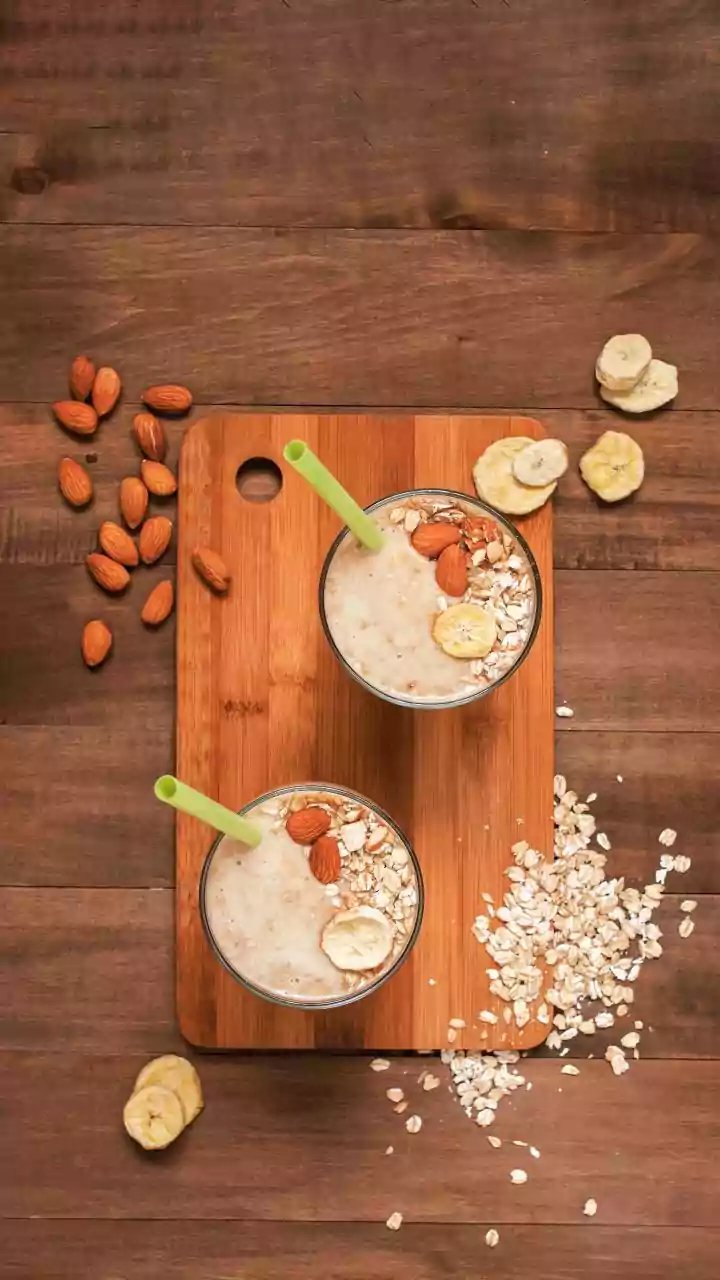
You don’t need an expensive gadget or a cryotherapy membership to embrace this trend. The foundations of good recovery are timeless and accessible to everyone. The most powerful recovery tool you have is sleep. Prioritising 7-9 hours of quality sleep per night is non-negotiable. Next, focus on nutrition and hydration; your muscles need fuel and water to repair and rebuild. Incorporate active recovery into your routine—think gentle yoga, a leisurely walk, or stretching on your rest days. These low-intensity activities increase blood flow and aid the recovery process without adding more stress to the body. Finally, listen to your body. If you feel worn down, mentally foggy, or unmotivated, it might not be a sign to push harder, but a signal that it’s time to rest. That’s not weakness; it’s wisdom.