



The Sweet Essence of Devotion
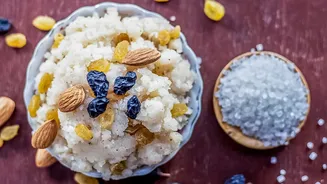
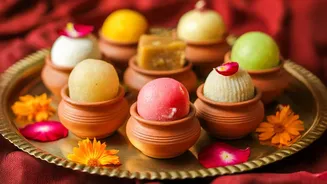
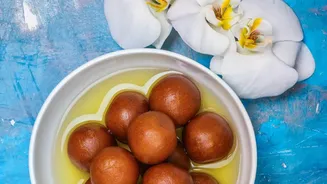
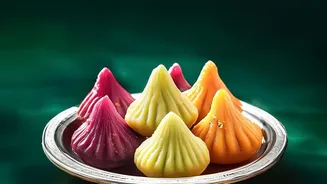
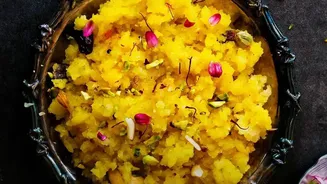
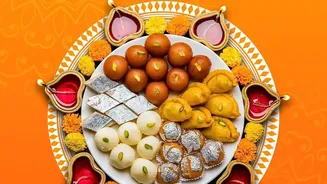
For centuries, Janmashtami celebrations have been deeply intertwined with food, particularly milk-based sweets offered as 'prasad'. Lord Krishna's legendary love for 'makhan' (butter), milk, and curd is honoured through a lavish spread that often includes
calorie-dense delicacies like Panjiri, Peda, and Makhan Mishri. These offerings are more than just food; they are a symbol of love, community, and the sweetness of devotion. The 'Chappan Bhog', a traditional offering of 56 food items, epitomises this spirit of festive indulgence, shared among family and friends after midnight prayers. This culinary tradition is central to the festival's identity, creating a sensory experience of collective joy and faith.
A Health-Conscious Shift in Offerings
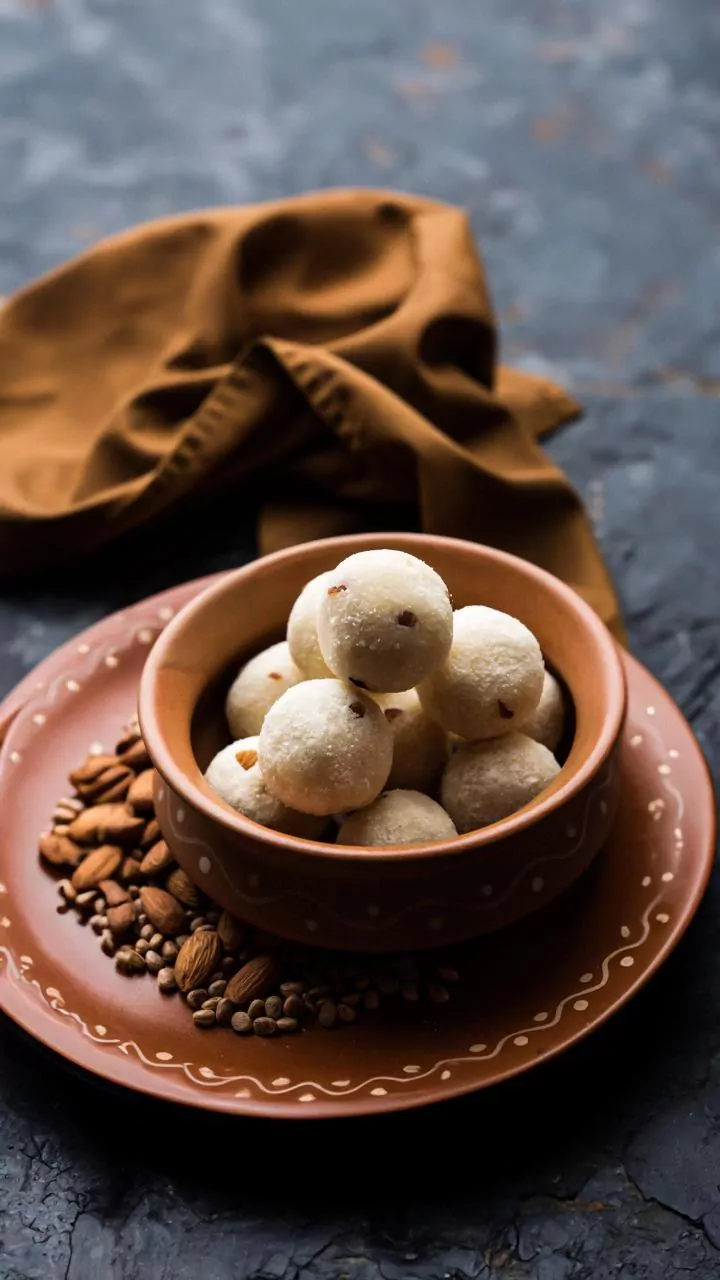
Across India, a noticeable shift is underway, driven by younger devotees and community organisers. In place of sweets laden with refined sugar, many are now preparing and distributing low-sugar or sugar-free alternatives. This trend sees traditional recipes adapted with healthier ingredients. Refined sugar is being replaced with natural sweeteners like jaggery, date paste, or honey. These modern offerings, from date and nut laddoos to coconut barfis made with jaggery, aim to preserve the festive spirit without the associated health drawbacks. This evolution isn't about rejecting tradition but adapting it to be more inclusive of those with health conditions like diabetes or anyone pursuing a healthier lifestyle.
Why the Next Generation is Leading the Change
This movement is largely fueled by a growing awareness of public health. With India facing a significant rise in lifestyle diseases such as diabetes and obesity, the younger generation is more attuned to the impact of diet on long-term well-being. Festivals, often marked by overindulgence, are now seen as opportunities to promote mindful eating. Youth collectives and temple committees are responding to this cultural shift, recognizing that devotion and health do not have to be mutually exclusive. The change reflects a broader wellness trend where traditional practices are being examined and updated to align with contemporary knowledge and values, ensuring they remain relevant and beneficial.
Balancing Tradition with Modern Wellness
The transition to healthier prasad raises interesting questions about authenticity. However, proponents argue that the core of the offering lies in the intention and devotion behind it, not purely its ingredients. By making prasad accessible to everyone, including the elderly and health-conscious, these initiatives arguably enhance the community spirit of the festival. Natural sweeteners like jaggery and dates have been part of traditional Indian cuisine for ages, and their revival is seen by many as a return to roots rather than a departure from them. This balanced approach ensures that the sanctity of the prasad is maintained while acknowledging the health realities of the community.
Part of a Larger Green Movement
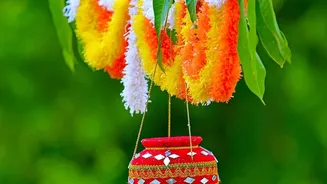
The move toward healthier sweets is part of a wider trend of celebrating festivals more consciously. Alongside low-sugar prasad, many communities are now embracing eco-friendly Janmashtami celebrations. This includes using biodegradable decorations like flowers and clay diyas instead of plastic, reducing noise pollution, and ensuring proper waste management during community events. These youth-led efforts show a holistic approach to festivals, where respect for personal health is extended to respect for the environment. It marks a responsible and thoughtful evolution of tradition, ensuring that these cherished celebrations can be sustained for generations to come in a way that is both joyful and mindful.