





The Great Monsoon Washout
The single biggest reason for cleaner air during the monsoon is the rain itself. The southwest monsoon winds, which travel from the ocean to the land, are laden with moisture. This results in frequent, heavy rainfall that acts as a natural scrubber for the atmosphere.
Raindrops capture and wash away particulate matter (PM2.5 and PM10), dust, and other pollutants, literally cleansing the air and providing a much-needed respite, especially in congested urban areas. During these months, pollutants struggle to accumulate, as they are regularly flushed out by the downpours.
When the Winds Change Direction
October marks a crucial atmospheric shift known as the monsoon withdrawal or retreating monsoon. The wind patterns reverse. The moisture-laden southwesterly winds that brought rain recede, and are replaced by drier, cooler northwesterly winds blowing from the land towards the sea. These winds are not only dry but also slower. Instead of bringing cleansing rain, they start to carry dust from arid regions like Rajasthan and sometimes even further afield. More importantly, these winds pick up pollutants from the vast Indo-Gangetic Plain as they travel, transporting them across states.
The Science of the Autumn Sky-Lid
A critical factor that traps pollution close to the ground is a phenomenon called temperature inversion. As October nights get cooler, the air near the ground also cools down rapidly. However, a layer of warmer air sits above it. This acts like a lid, preventing the cooler, denser air below from rising. Pollutants emitted from vehicles, industries, and other sources get trapped in this lower layer, unable to disperse into the upper atmosphere. The lower the 'inversion height', the more concentrated the pollutants become at the level where we breathe. This effect, combined with lower wind speeds, creates a stable atmospheric condition perfect for accumulating smog.
The Onslaught of Man-Made Pollutants
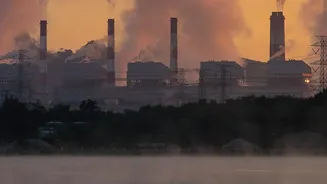
The change in weather coincides with a significant increase in man-made pollution sources. The period from October to November is when farmers in Punjab, Haryana, and Uttar Pradesh often burn crop residue (stubble) to clear their fields for the next sowing season. Smoke from these fires releases enormous amounts of particulate matter into the air, which the northwesterly winds carry directly towards cities like Delhi. This seasonal agricultural burning can contribute significantly to daily pollution levels on some days. This is further compounded by emissions from increased traffic, ongoing construction, and industrial activity, which were present but being washed away during the monsoon.
A Perfect Storm for Pollution
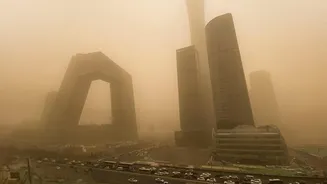
Ultimately, the sharp decline in air quality is not due to a single cause but a perfect storm of converging factors. The end of cleansing rains creates the initial vulnerability. Then, the reversal of wind direction and a drop in wind speed prevent pollutants from dispersing. This is exacerbated by the temperature inversion that puts a lid on the sky. Into this trapped, stagnant air, a fresh onslaught of pollutants from stubble burning, festive activities like Diwali firecrackers, and regular urban emissions are pumped. The result is the thick, toxic haze that has become an unfortunate and predictable feature of October in many parts of India.