



Why More Fibre Matters
Dietary fibre, the part of plant-based foods that your body can't digest, is crucial for good health. It's known for aiding digestion and preventing constipation, but its benefits are far more extensive. A high-fibre diet can help manage blood sugar levels,
lower cholesterol, and support a healthy weight by making you feel fuller for longer. It also feeds the good bacteria in your gut, which is linked to overall immunity and well-being. While many Indian diets seem fibre-rich on the surface, the common use of refined grains and sometimes small vegetable portions means many people are falling short of the recommended daily intake.
Rethink Your Grains: Rotis and Rice
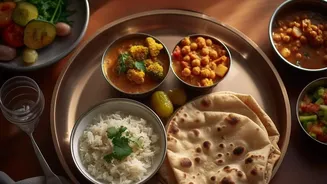
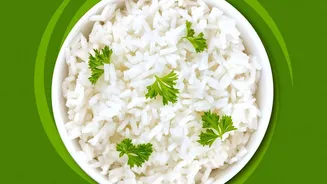
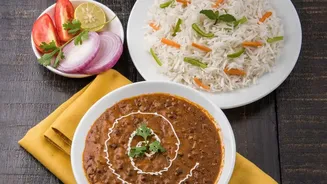
The easiest switch starts with your staples. Refined white rice and maida have very little fibre. Simply swapping these for whole grains can make a significant difference. Instead of plain wheat atta for rotis, try using multigrain atta or mixing in millet flours like jowar, bajra, or ragi. These ancient grains are packed with fibre and minerals. For rice eaters, replacing polished white rice with brown rice, red rice, or even millets like foxtail or barnyard millet a few times a week is an excellent step. Even adding vegetables like peas and carrots to your pulao or biryani increases the fibre content.
Power Up Your Dals and Legumes
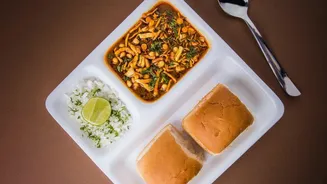
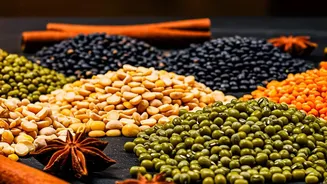
Indian cuisine is blessed with a vast array of dals and legumes, all of which are fantastic sources of fibre and protein. To maximise their benefits, choose whole pulses (like whole moong or black chana) over split and skinned versions (like yellow moong or masoor dal) when possible, as they retain more fibre. Make your dal preparations thicker and less watery to get more of the actual pulse in every serving. Adding a variety of legumes like rajma, chana, and lobia to your weekly menu ensures you get a mix of different types of fibre. Sprouting pulses before cooking can also enhance their nutritional profile.
Fill Half Your Plate with Vegetables
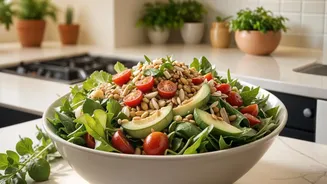
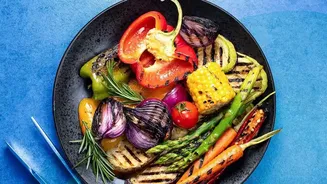
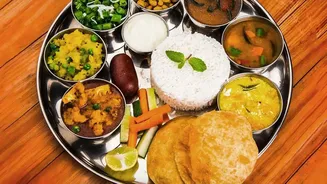
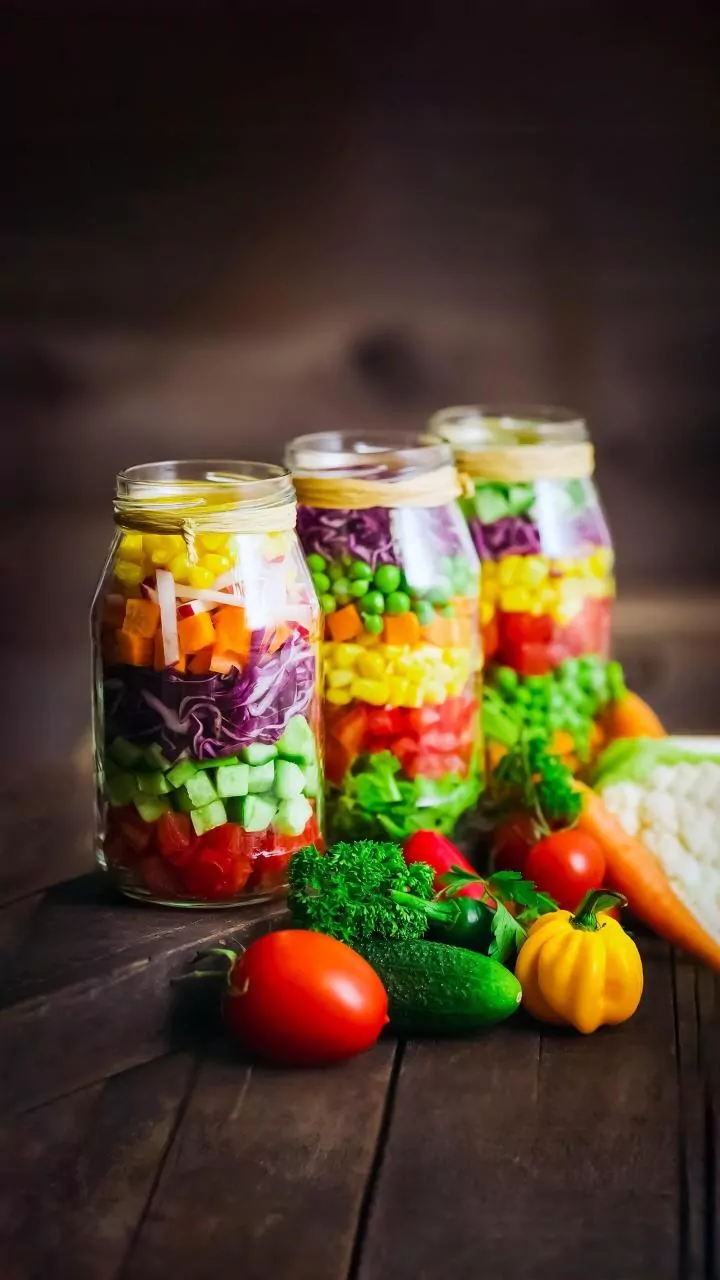
Vegetables are a non-negotiable part of a high-fibre diet. A simple rule is to ensure that vegetables (in the form of sabzi and salad) fill half your plate at lunch and dinner. Common Indian vegetables like bhindi (okra), gourds, beans, cauliflower, and leafy greens like spinach and fenugreek are all excellent choices. Try to cook them lightly through steaming or sautéing instead of deep-frying to retain their nutrients and fibre. Including a simple raw salad of cucumber, tomato, carrot, and onion with your main meals is another easy way to add fibre and crunch.
Smart Add-ins and Healthy Snacking
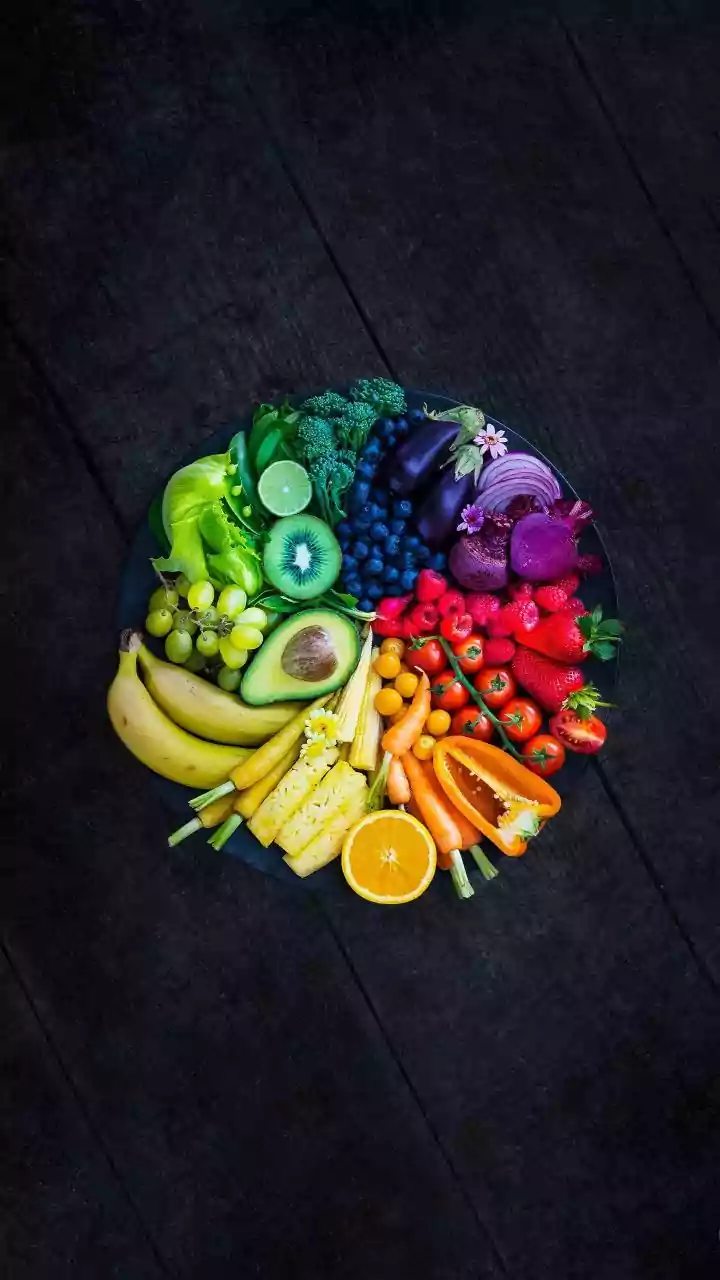
Small additions can lead to big gains. Sprinkle a spoonful of ground flaxseeds, chia seeds, or sesame seeds over your dahi, salads, or even into your atta. These seeds are tiny but mighty sources of fibre and healthy fats. When it comes to snacks, trade packaged biscuits and chips for healthier alternatives. A handful of roasted chana or peanuts, a bowl of sprouts, or a whole fruit like an apple, guava, or orange are all fibre-rich options that can keep you full between meals. Even leftover sabzi rolled in a whole-wheat roti makes for a quick and nutritious snack.