



North India's Hearty, Ghee-Laden Treats
In North India, Diwali snacks are often rich, hearty, and deeply satisfying, designed to align with the cooling autumn weather. The stars of the northern kitchen are milk solids (khoya), clarified butter (ghee), nuts, and wheat flour. A quintessential
northern delicacy is the Gujiya, a crescent-shaped deep-fried pastry filled with a sweet mixture of khoya, dried fruits, and nuts. Another beloved sweet is Soan Papdi, a flaky, melt-in-your-mouth confection made from gram flour, ghee, and sugar. On the savoury side, Mathri is a popular choice. This crispy, flaky biscuit made from flour and spices is the perfect accompaniment to a hot cup of chai during festive gatherings. These treats reflect the agricultural abundance of the Gangetic plains, with wheat and dairy forming the backbone of the festive menu.
South India's Rice Flour and Coconut Wonders
Travel south, and the Diwali platter transforms entirely, celebrating the region's coastal and tropical bounty. The primary ingredients here are rice flour, lentils, coconut, and jaggery. The undisputed king of southern Diwali snacks is Murukku, a crunchy, spiral-shaped savoury snack made from rice flour and urad dal (black gram). Its name means 'twisted' in Tamil, a nod to its iconic shape that provides maximum crunch. For those with a sweet tooth, Adhirasam is a traditional favourite, particularly in Tamil Nadu. It's a soft, chewy sweet cake made from rice flour and jaggery, deep-fried to perfection. Another staple is the versatile Ladoo, which in the south is often made with coconut and jaggery, offering a distinctly different flavour profile from its northern counterparts.
West India's Flourishing Gram Flour Creations
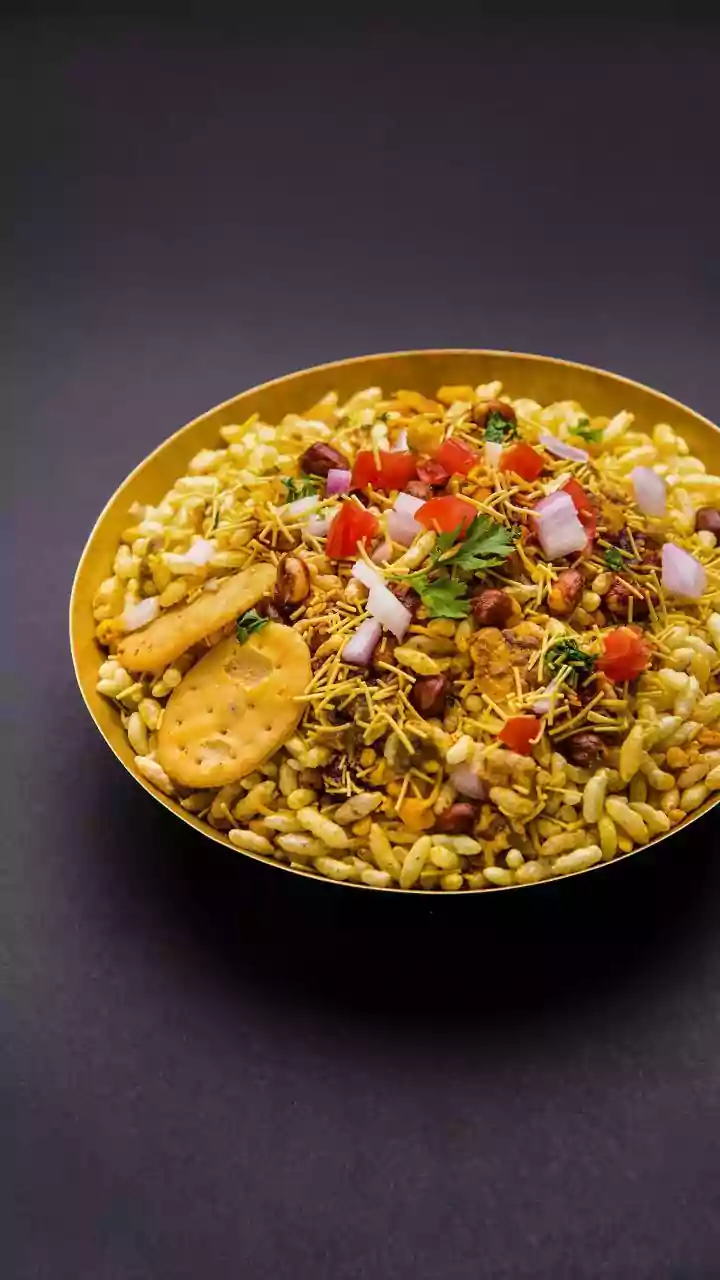
The western states, particularly Maharashtra and Gujarat, boast a diverse array of Diwali snacks known collectively as 'Faral'. Gram flour (besan) is a hero ingredient in this region, alongside milk and sugar. Shankarpali from Maharashtra is a must-have; these are diamond-shaped crispy biscuits that can be either sweet or savoury. Chakli, the western cousin of Murukku, is another crunchy spiral snack, often made with a special blend of roasted flours called 'bhajni' that gives it a unique, nutty taste. From Gujarat comes Mohanthal, a dense and fudgy sweet made from gram flour, ghee, and sugar, often flavoured with saffron and cardamom. And no western Indian Diwali is complete without Chivda, a savoury mix of flattened rice (poha), nuts, and spices that is perfect for munching on throughout the festive season.
East India's Delicate Chenna and Jaggery Sweets
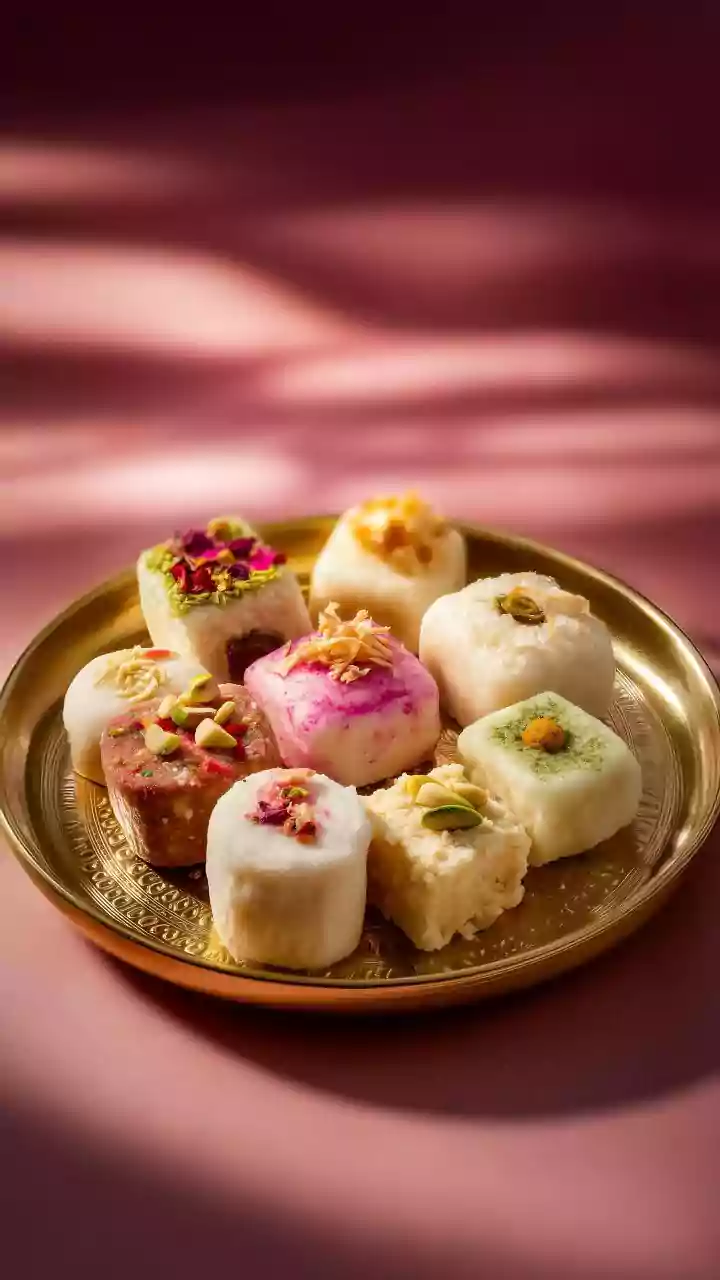
In Eastern India, especially West Bengal and Odisha, sweets often take centre stage, with a focus on fresh cheese (chenna) and palm jaggery. While many iconic Bengali sweets like Rasgulla and Sandesh are enjoyed year-round, they are an indispensable part of Diwali celebrations. These sweets are known for their delicate, spongy texture and are typically lighter than the ghee-heavy sweets of the north. Another regional specialty is the array of 'pithas' or rice cakes, which can be steamed, fried, or baked and filled with sweet mixtures of coconut and jaggery. These snacks showcase the region's reverence for milk-based sweets and the use of date palm jaggery, which imparts a unique, smoky sweetness.
The Reasons Behind the Regional Flavours
This incredible diversity isn't accidental; it's a direct reflection of India's varied agriculture and climate. The wheat-growing belt of the north naturally leans on flour-based snacks, while the abundant use of milk and ghee speaks to a strong pastoral tradition. In the coastal south, rice and coconuts are staple crops, logically finding their way into festive treats. Western India's semi-arid climate makes hardy crops like gram flour and millets prevalent in its cuisine. Meanwhile, the lush, water-rich environment of the east is ideal for rice cultivation and dairy, leading to the region's famous chenna-based sweets. These culinary traditions, passed down through generations, are a living history of India's landscape.