






An Unexplored Cultural Universe
For too long, Northeast India has existed in the national consciousness as a monolith, often defined by geographical isolation or simplified media narratives. Yet, beyond these perceptions lies a vibrant tapestry of cultures, languages, and traditions,
nowhere more brilliantly expressed than in its festivals. These are not mere regional fairs; they are world-class cultural events that offer a profound glimpse into the soul of India's eight northeastern states. From the spiritual fervor of Assam's Ambubachi Mela to the modern beats of the Ziro Festival of Music, the region hosts a calendar of celebrations that is as diverse as its population. However, despite their scale and significance, many of these festivals remain on the periphery of our collective cultural map. They attract devoted followings and international travelers, but widespread national curiosity has been slower to catch on.
A Symphony of Sight and Sound
The crown jewel of the region's festive calendar is arguably Nagaland’s Hornbill Festival. Dubbed the 'Festival of Festivals,' this 10-day extravaganza, which begins on December 1st each year, brings together all of Nagaland's major tribes at Kisama Heritage Village. It’s a dazzling showcase of culture, from traditional dances and indigenous sports to local cuisine and crafts. The festival was initiated by the state government in 2000 to promote inter-tribal interaction and preserve the state’s rich cultural legacy. In Arunachal Pradesh, the Ziro Festival of Music offers a completely different, yet equally compelling, experience. Set against the stunning backdrop of the Ziro Valley, this eco-friendly event has become a pilgrimage for indie music lovers from across the globe since its inception in 2012. It’s a unique blend of contemporary music and the ancient traditions of the local Apatani tribe, promoting cultural exchange and sustainable tourism. Other major events include Manipur's Sangai Festival, celebrating the state's culture and its unique Sangai deer, Assam's multi-faceted Bihu festivals marking the seasons, and Sikkim's Losoong, the Sikkimese New Year.
The Visibility Gap
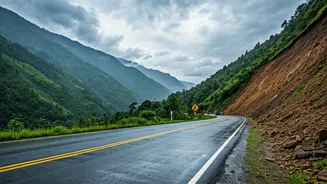
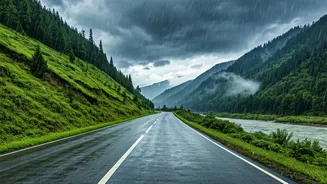
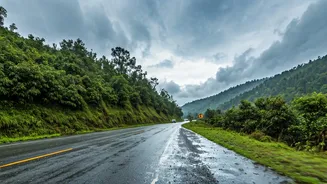
So why don't these festivals command the same national attention as others? The reasons are complex, rooted in a combination of geography, infrastructure, and historical neglect. Limited connectivity, including a lack of direct flights and challenging road conditions in hilly terrain, has historically made travel to the region difficult. Furthermore, administrative requirements like the Inner Line Permit (ILP) in states such as Arunachal Pradesh and Nagaland can act as a deterrent for domestic tourists unfamiliar with the process. There is also the issue of media representation. For years, mainstream media has been criticized for under-reporting on the region's cultural richness, often focusing more on conflict and political instability. While government initiatives like the 'Act East' policy and the 'Swadesh Darshan' scheme are actively working to improve infrastructure and promote tourism, overcoming decades of perceived remoteness takes time.
More Than Just a Tourist Destination
Ultimately, fostering national curiosity about the Northeast's festivals is about more than just boosting tourism numbers. These events are vital economic engines for local communities and play a crucial role in cultural preservation. The Hornbill Festival, for example, has significantly enhanced Nagaland's tourism brand and provides a platform for artisans to sell their crafts. Similarly, the Ziro Festival has spurred a local economic boom through homestays and employment, empowering the community while reinforcing eco-friendly practices rooted in Apatani traditions. For the younger generations in these states, these festivals are a way to connect with their heritage and ensure its survival in a rapidly modernizing world. By engaging with these festivals, we are not just consuming culture; we are supporting the preservation of some of India’s most unique and precious traditions.