

Before You Leave: The Non-Negotiable Vehicle Check
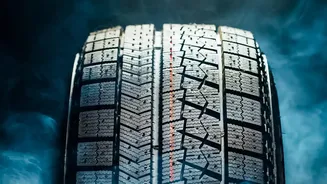
Your journey to safety begins before you even turn the key. A thorough vehicle inspection is your first line of defence against monsoon hazards. Start with your tyres, the only part of your car in contact with the road. Ensure they have adequate tread
depth to prevent skidding and aquaplaning on wet surfaces. Check the tyre pressure and look for any signs of uneven wear or damage. Next, inspect your braking system. Brakes are critical in ghats, and their efficiency can be lower on wet roads. If you hear any squealing or feel vibrations, get them checked by a professional. Visibility is severely reduced during monsoon nights, so your lights are paramount. Test your headlights, taillights, brake lights, and indicators. Ensure they are clean and functioning correctly; use low beams in heavy rain to avoid blinding oncoming drivers. Finally, don't forget your wiper blades. Replace them if they leave streaks, as clear vision is non-negotiable in a downpour.
On The Road: Mastering Ghat Driving Techniques
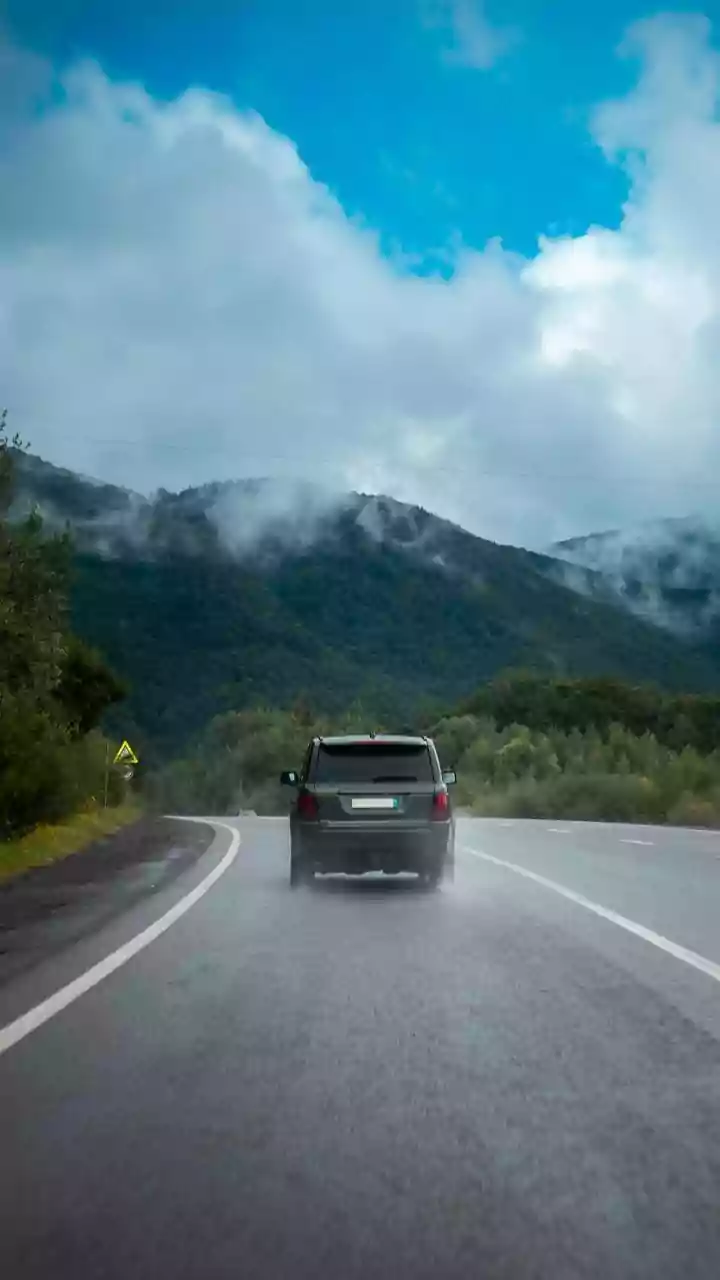
Once you're on the move, your driving style needs to adapt to the treacherous conditions. The golden rule is to reduce your speed significantly. Wet roads increase braking distance, and slower speeds give you more time to react to unexpected obstacles like potholes or landslides. Maintain a generous following distance from the vehicle ahead—at least three car lengths is a good rule of thumb. When navigating steep downhill sections, rely on engine braking by shifting to a lower gear rather than constantly using your brakes. This prevents your brakes from overheating and gives you better control. Be gentle and smooth with your steering, acceleration, and braking to avoid losing traction. Honk politely at blind curves and hairpin bends to alert drivers coming from the opposite direction. Be especially wary of aquaplaning, which occurs when a layer of water builds between your tyres and the road. If you feel the car sliding, ease off the accelerator and do not slam the brakes.
Night-Specific Challenges: Combating Low Visibility
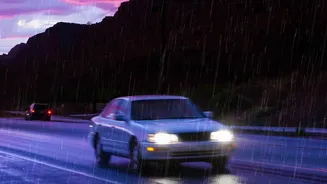
Driving in the ghats at night is a different challenge altogether. Your visibility is limited to the throw of your headlights, making it harder to spot hazards. Heavy rain can reflect your own high beams, further reducing what you can see, so stick to low beams. Fog is another common enemy in monsoon ghats, which can reduce visibility to mere metres. Use your fog lamps if you have them, and if conditions become too severe, the safest option is to pull over and wait for the weather to improve. Also, be aware of wildlife that may be active on the roads at night. Potholes and fallen debris are much harder to spot in the dark, so an alert mind is crucial. Avoid looking directly into the headlights of oncoming traffic as it can temporarily blind you. Instead, focus on the white line on the left side of the road to guide your path.
Emergency Preparedness: What to Do if You Get Stranded
Despite all precautions, things can go wrong. You might get a flat tyre or a breakdown in a remote location with no network coverage. The first rule is not to panic. Carefully pull your car as far to the left as possible, completely off the road if you can. Turn on your hazard lights immediately to warn other drivers. If it is safe to do so, place a warning triangle about 50 metres behind your vehicle. Unless it is unsafe due to heavy traffic or risk of a landslide, it is generally best to stay inside your vehicle with the doors locked, especially in heavy rain. If you have no mobile signal, wait for help. Raising your car's bonnet is a universal signal for assistance. Pack an emergency kit before your trip, including a powerful torch, first-aid supplies, water, non-perishable snacks, and a power bank for your phone.