





Beyond Takeaway Fatigue
For many, the appeal of ordering in or microwaving a pre-packaged meal is wearing thin. While undeniably convenient, a steady diet of restaurant and fully-prepared foods can bring concerns about health, cost, and a certain lack of satisfaction. Busy lifestyles,
especially in urban areas, have driven the demand for quick meal solutions. However, this has also led to a counter-movement. Consumers are increasingly seeking options that offer the freshness and nutritional control of home cooking without the hours of preparation. This has paved the way for a booming market in food that bridges the gap between scratch cooking and instant meals. The ready-to-cook sector in India, for example, is seeing significant growth, expanding from a market size of USD 7.1 Billion in 2025 and projected to grow substantially.
The Rise of the 'Almost-Made' Meal
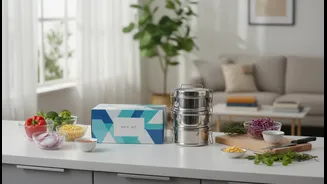
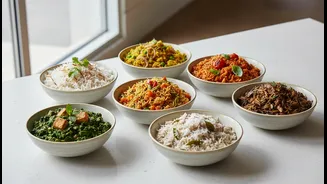
Enter the world of meal kits, gourmet sauces, and pre-portioned ingredients. These products are designed to do the tedious work for you—the chopping, the measuring, the complex sauce-making—while leaving the creative and satisfying final steps to the home cook. Meal kits, which provide all the necessary ingredients for a specific recipe, have seen remarkable growth in India. They offer variety and a chance to try new cuisines without committing to a pantry full of new spices. Similarly, high-quality cooking sauces, marinades, and ready-to-cook gravies allow for restaurant-quality dishes to be assembled at home in minutes, not hours. This category is evolving from a simple time-saver into a more aspirational food choice, driven by a desire for quality and sophistication.
The Psychology of Participation
Why do we find this middle ground so appealing? The answer may lie in a psychological principle known as the 'IKEA effect'. This theory suggests that we place a higher value on things we have had a hand in creating ourselves. Assembling a flat-pack bookcase or adding the final ingredients to a meal kit gives us a sense of accomplishment and pride. The simple act of requiring a consumer to add a fresh egg to an instant cake mix in the 1950s was found to dramatically increase sales because it made the baker feel more involved. This desire for participation is a powerful driver. Cooking can be a way to express creativity and relieve stress. These semi-prepared products provide that outlet, making us feel like capable home chefs even on a busy weeknight.
A Modern Twist on Home Cooking
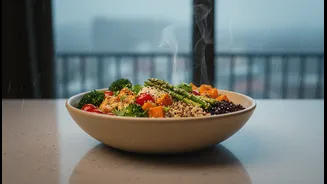
This trend is not about abandoning traditional cooking, but adapting it to modern life. It acknowledges that while many people lack advanced cooking skills or the time for complex preparation, they still want the experience of making a meal. It's a way to reduce reliance on fast food while still acknowledging that time is a critical factor for most households. The market is responding with increasingly sophisticated options, from gourmet frozen meals to artisanal snack boxes and chef-designed ready-to-cook kits. These products empower people to cook more at home, control portions, and experiment with new flavours, all of which are linked to better dietary habits.
Convenience That Empowers
Ultimately, the future of convenience in the kitchen isn't about removing the human element entirely. Instead, it's about providing smarter tools and better ingredients that make the process more enjoyable and less of a chore. By handling the least enjoyable parts of cooking, this new generation of food products allows us to focus on the fun part: the final assembly, the aroma filling the kitchen, and the pride in serving a meal we had a hand in making. These 'almost-made' meals offer a perfect compromise, delivering both the convenience we need and the sense of accomplishment we crave.