







For many fitness enthusiasts in India, a glance at the day's Air Quality Index (AQI) can be frustrating. When pollution spikes, that planned run or outdoor workout suddenly seems like a bad idea. But must you sacrifice your fitness goals?
Why High AQI and Exercise Don't Mix
The Air Quality
Index, or AQI, is a simple metric for a complex problem: the level of pollutants in the air. When you exercise, your breathing rate increases significantly, causing you to inhale more air—and more pollutants—deeper into your lungs. These fine particulate matter, especially PM2.5, can bypass your body's natural filters and enter your bloodstream, triggering inflammation and putting stress on your respiratory and cardiovascular systems. Health experts generally advise that once the AQI climbs above 150, it is considered unhealthy for everyone, and strenuous outdoor activity should be avoided. Pushing through a workout in such conditions can lead to coughing, chest tightness, and diminished performance, potentially negating the very health benefits you are seeking.
Cross-Training: More Than a Backup Plan
Forced indoors, many people default to skipping their workout entirely. This is where cross-training becomes an essential tool. Cross-training means incorporating different types of exercise into your routine. It’s not just a compromise; it’s a strategy that builds a more resilient, well-rounded level of fitness. By mixing various activities, you work different muscle groups, which helps prevent the overuse injuries that can come from repetitive motions like running. It also keeps your workouts engaging, breaking the monotony of a single routine and enhancing motivation. Most importantly, when you can't perform your primary sport, a smart cross-training plan allows you to maintain, and even improve, your cardiovascular endurance and strength.
Replicating Cardio Without the Smog
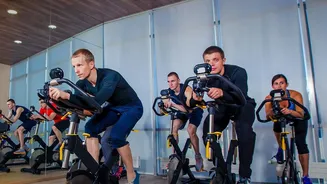
The biggest concern for many outdoor athletes, like runners and cyclists, is losing cardiovascular fitness. Thankfully, it's entirely possible to get a heart-pumping workout indoors, with or without equipment. High-Intensity Interval Training (HIIT) is particularly effective, burning significant calories in a short time. You can build a powerful, equipment-free circuit using moves like jumping jacks, high knees, burpees, and squat jumps. If you have basic equipment, a skipping rope is an excellent and inexpensive tool for a high-intensity session. For those with access to a gym, the treadmill, stationary bike, elliptical trainer, and rowing machine are all fantastic options for sustained aerobic exercise that protects your joints from high-impact stress.
Building Strength and Flexibility Indoors
A balanced fitness regimen isn't just about cardio. Use your indoor days to focus on strength and flexibility—two pillars of fitness that support your primary sport and prevent injury. Bodyweight exercises are incredibly effective and require no equipment. Planks build core stability, which is crucial for runners. Squats and lunges strengthen the major muscles in your legs, while pushups target your upper body and core. Incorporating flexibility work through yoga or a dedicated stretching routine is equally important. It improves your range of motion, helps release muscle tightness, and can aid in recovery, ensuring that when the air clears, your body is ready to get back outside, stronger and more resilient than before.