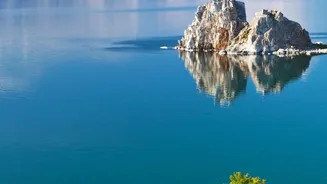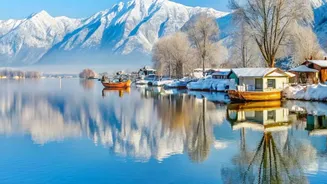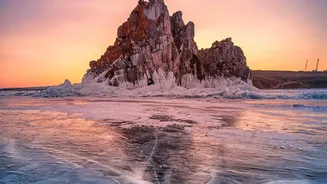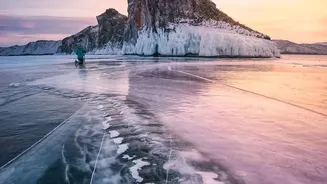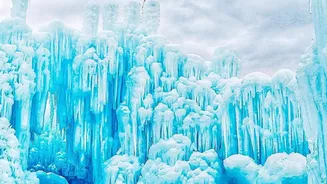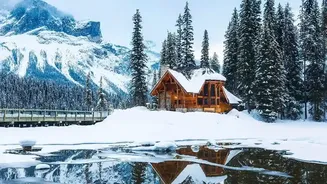


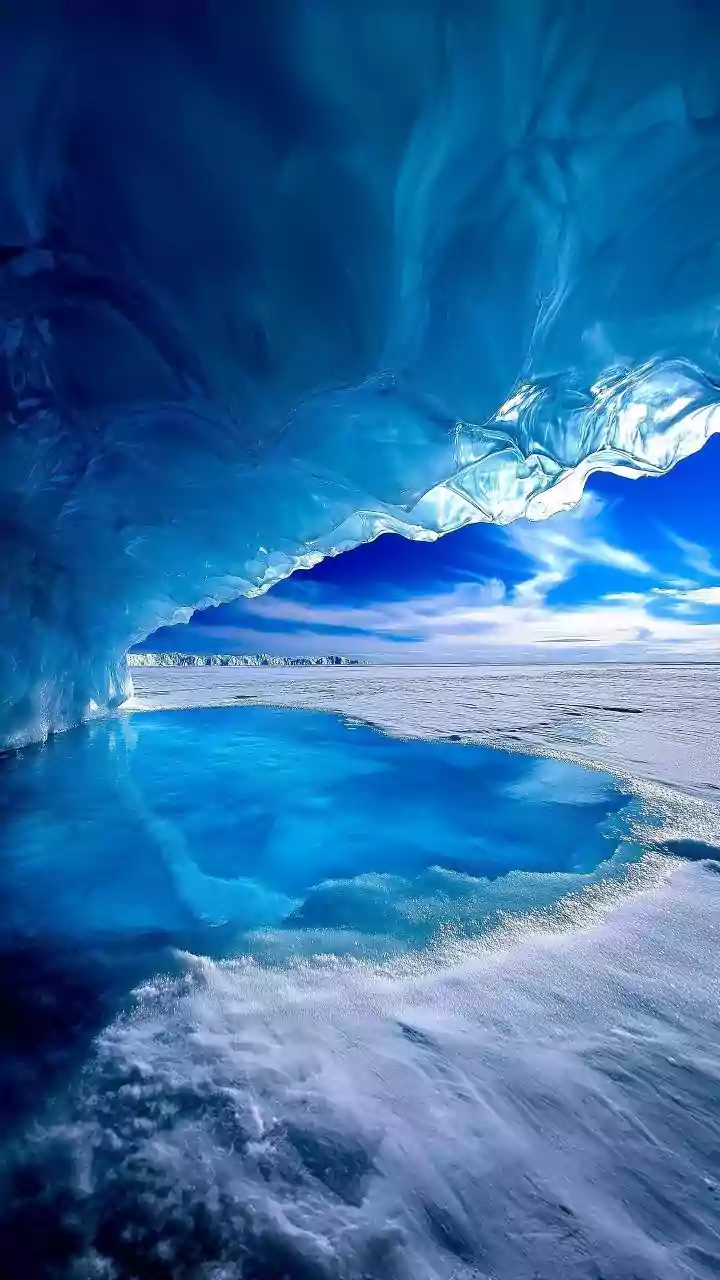
When winter arrives, some lakes simply freeze over, but others transform into natural art galleries. Lake Baikal in Siberia and Abraham Lake in Canada are two stunning examples, each showcasing a unique and mesmerizing frozen phenomenon.
The Siberian Jewel: Lake Baikal's Turquoise Ice
Deep in Siberia
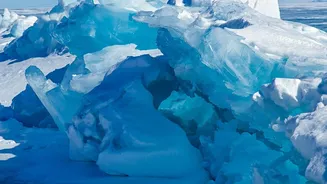
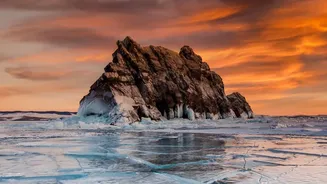
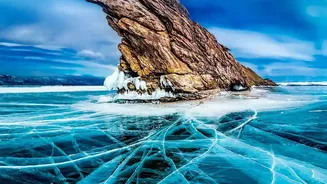
lies Lake Baikal, the world's oldest and deepest freshwater lake. For much of the year, it's a vast expanse of water, but from January to May, it becomes a frozen kingdom. What makes Baikal extraordinary is the quality of its ice. The lake's water is exceptionally pure, partly thanks to endemic crustaceans that filter out debris. When this ultra-clear water freezes, it forms ice so transparent you can see up to 40 metres below the surface. Under the relentless Siberian sun, this glass-like sheet takes on a spectacular turquoise hue. Strong winds and temperature fluctuations cause the ice to crack and push against itself, forming massive, jagged blocks of turquoise ice called hummocks that glitter like giant gems. This creates a surreal, otherworldly landscape that draws photographers and adventurers from across the globe.
The Frozen Bubbles of Abraham Lake
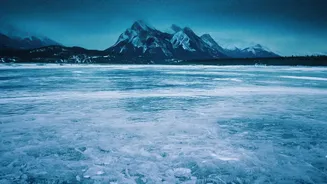
In the Canadian Rockies of Alberta, a completely different spectacle unfolds on Abraham Lake. Unlike the ancient Baikal, Abraham Lake is a man-made reservoir created in 1972. Its winter fame comes from a phenomenon that looks like a frozen lava lamp: stacks of white, circular bubbles trapped beneath the clear ice. These aren't air bubbles but rather frozen pockets of methane gas. The gas is released by bacteria at the bottom of the lake as they decompose organic matter, such as plants and trees that were submerged when the reservoir was created. As the bubbles rise towards the freezing surface, they get caught in successive layers of ice, creating ghostly vertical columns. The ideal time to witness this is typically from mid-January to early February, when the ice is thick and clear, polished by strong winds that sweep snow off the surface.
A Tale of Two Ices
While both lakes create breathtaking ice formations, their beauty stems from different natural processes. Baikal's magic is one of purity and light. Its famous turquoise colour is a direct result of its incredibly pure water freezing into a transparent, glass-like state. It's a spectacle of physical properties, where the absence of particles allows light to create a vibrant visual effect. Abraham Lake's wonder, on the other hand, is biological. It's a story of life, decay, and transformation, as decomposing organic matter releases methane that becomes a stunning visual element. One is a solid sea of coloured crystal; the other is a gallery of suspended animation. Interestingly, Baikal also has methane bubbles, though Abraham Lake is more famous for them due to the higher concentration and clear visibility.
Other Wonders on Ice
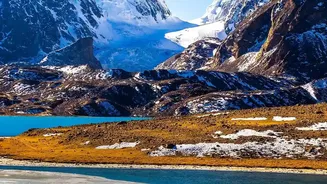
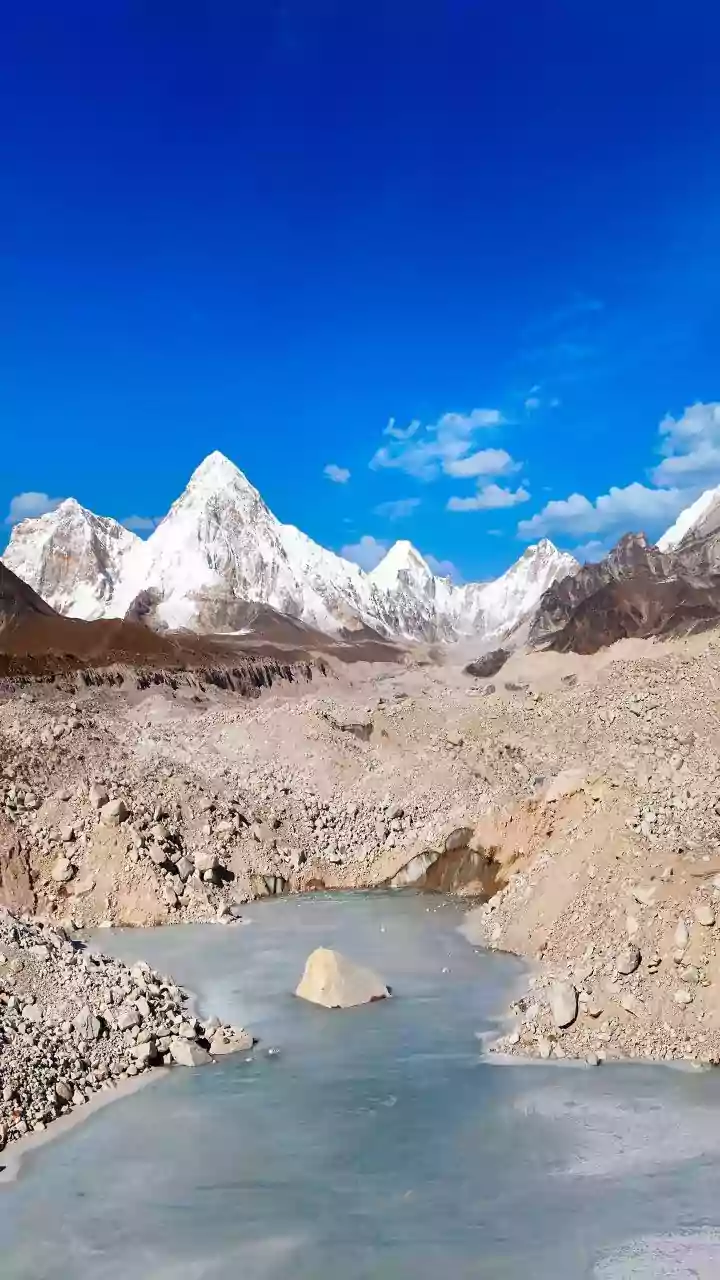
Baikal and Abraham are standout examples, but they are not alone in their winter splendour. Around the world, other frozen bodies of water offer unique sights. In the United States, Lake Placid in New York becomes a hub for winter sports, having hosted two Winter Olympics. Jökulsárlón, a glacial lagoon in Iceland, fills with massive icebergs that create a surreal scene, especially when the Northern Lights are active. In India, Gurudongmar Lake in Sikkim, one of the highest lakes in the world, offers an otherworldly charm with its crystal-clear frozen waters surrounded by Himalayan peaks. Each of these destinations proves that when temperatures drop, nature's creativity is just getting started, turning simple ice and water into something truly magical.