





From Monuments to Meaningful Moments
There’s a quiet revolution happening in Indian travel. An increasing number of explorers are consciously moving away from the well-trodden 'Golden Triangle' and other mainstream circuits. Instead, they are seeking out journeys that offer deeper, more
immersive experiences. This isn't just about avoiding crowds; it’s a structural shift towards what many are calling 'slow travel'. According to a 2026 travel report, nearly half of Indian travellers are now interested in visiting destinations before they become overly popular, driven by a desire to reduce environmental strain and connect more authentically with a place. The trend reflects a move from simply seeing sights to feeling a sense of place, prioritising connection and personal growth over a packed itinerary. This new mindset is fuelling the rise of trips centred on nature, wildlife, and genuine cultural exchange, proving that the real luxury is an experience, not just an landmark.
Where the Wild Things Are, Quietly
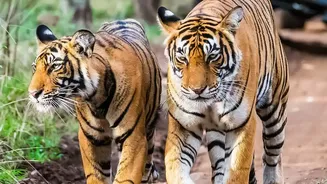
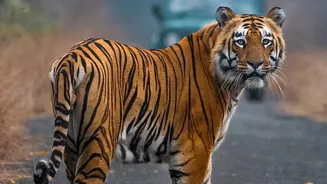
While India's famous tiger reserves like Ranthambore and Corbett continue to draw crowds, a significant number of wildlife enthusiasts are now venturing into lesser-known sanctuaries. These offbeat destinations offer a chance to witness incredible biodiversity without the fleets of safari jeeps. Places like Pilibhit Tiger Reserve in Uttar Pradesh, with its unique Terai-Duar grasslands, or Sanjay National Park in Madhya Pradesh offer rich habitats for tigers, leopards, and hundreds of bird species. In the west, Kumbhalgarh Wildlife Sanctuary in Rajasthan is emerging as a prime location for spotting leopards and sloth bears. Further north, Hemis National Park in Ladakh is the ultimate destination for those hoping to spot the elusive snow leopard. This shift is driven by a desire for more patient and profound wildlife encounters, moving beyond the tiger checklist to appreciate India's full ecological richness. Annual wildlife tourism growth is estimated at around 15%, showing a sustained and rising interest in these nature-centric journeys.
Tourism for the People, by the People
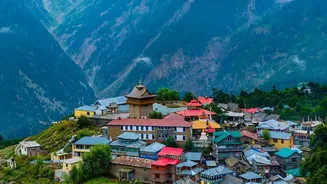
Perhaps the most impactful trend is the rise of community-based tourism, where travellers engage directly with local hosts and their culture. This model ensures that tourism revenue flows directly into the local economy, empowering communities and preserving traditions. In states like Kerala and Sikkim, government-supported initiatives have helped thousands of micro-enterprises, from homestays to local guides, become part of the tourism ecosystem. In remote Himalayan villages in states like Uttarakhand, enterprises like Tons Trails are training residents in hospitality, creating sustainable livelihoods that help reduce migration to cities. Similarly, organisations like NotOnMap connect travellers with rural families across more than 14 states, offering authentic experiences like cooking classes and craft workshops. This approach transforms tourism from a transactional visit into a meaningful exchange, where travellers gain genuine insights and communities gain a vital source of income and pride.
The Rise of the Responsible Traveller
Underpinning this entire movement is a growing consciousness among Indian travellers, particularly millennials and Gen Z. A 2026 survey found that 74% of Indian travellers believe people must act now to protect the planet, and 72% are more determined to travel sustainably than they were a year ago. This mindset translates into tangible choices: seeking out eco-certified accommodations, reducing plastic use, and prioritising local businesses. Ecotourism and sustainable travel are no longer niche concepts; they are becoming mainstream expectations. The Indian sustainable tourism market is projected to grow significantly, with some estimates suggesting a compound annual growth rate of over 19% through 2032. This responsible approach creates a powerful positive feedback loop: as travellers demand more sustainable options, operators and communities are incentivised to protect the natural and cultural heritage that makes their regions unique.