


The Slow-Charging Problem Today
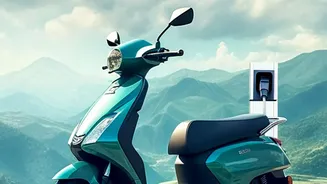
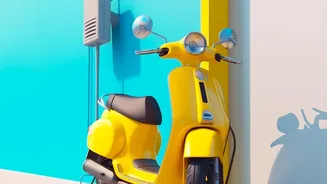
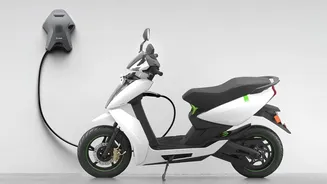
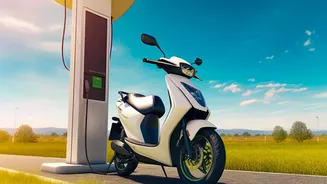
For all the benefits of electric scooters—lower running costs, zero emissions, and a silent ride—one major hurdle remains: charging time. Most current electric scooters in India use lithium-ion batteries. While revolutionary in their own right, they have
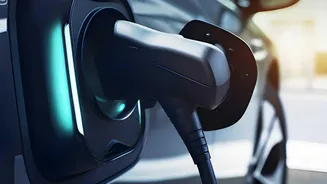
a fundamental limitation. The liquid or gel electrolyte inside, which allows energy to flow, can only handle so much current before it degrades or, in rare cases, becomes a safety risk. This means riders are often tethered to a charging point for several hours to get a full battery, a significant inconvenience that disrupts the flow of a busy day and fuels 'range anxiety'—the constant fear of running out of power.
Enter the Solid-State Solution
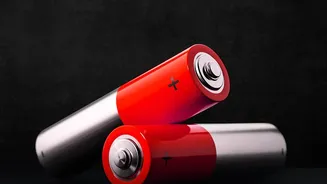
Solid-state batteries are exactly what they sound like: batteries that use a solid material as the electrolyte instead of a liquid. This single, crucial change unlocks a cascade of benefits. The solid electrolyte is more stable, non-flammable, and can handle a much higher flow of electric current. By replacing the volatile liquid core, these batteries not only become significantly safer but also open the door to radically faster charging speeds without the risk of overheating or damage that limits today’s technology. This innovation allows for a more compact and energy-dense design, meaning more power can be packed into a smaller, lighter battery.
Charging in Minutes, Not Hours
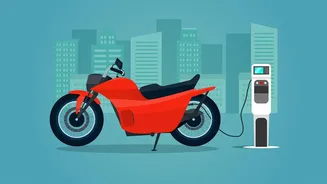
So, how do they achieve such a dramatic speed boost? The stability of the solid electrolyte is the key. It allows for the use of advanced components, like a lithium metal anode, which can store far more energy than the graphite anodes used in most lithium-ion batteries. More importantly, this solid structure effectively suppresses the growth of 'dendrites'—tiny, metallic whiskers that can cause short circuits in liquid-based batteries during rapid charging. Without this risk, manufacturers can design systems that push electricity into the battery at much higher rates. Some companies are already reporting lab tests and even initial production models that can achieve an 80% charge in under 15 minutes, with some promising a full charge in as little as five to ten minutes. This transforms the user experience from an overnight chore to a quick pit stop.
More Than Just Speed
While faster charging is the headline feature, the advantages don't stop there. Solid-state technology promises a significant boost in energy density—potentially packing 50% to 80% more energy into a battery of the same weight. For a scooter rider, this translates to a much longer range on a single charge. Journeys of 200 kilometres or more could become standard. Furthermore, these batteries are expected to have a longer lifespan, enduring more charge-and-discharge cycles before their performance degrades. They also perform better across a wider range of temperatures, from chilly winter mornings to scorching summer afternoons, where traditional batteries often struggle.
The Road to Indian Scooters
The question on every potential buyer's mind is: when will we see this in India? The technology is moving from the lab to the road, but mass adoption will take time. So-called 'semi-solid' batteries, which are a hybrid step, are already appearing in some high-end electric vehicles. Major battery manufacturers like CATL and BYD are targeting 2027 for initial, small-scale production of true solid-state batteries, with mass-market availability likely closer to 2030. The Indian market for electric solid-state batteries is projected to grow significantly, driven by the government's push for e-mobility and investment from automotive players. While premium electric motorcycles are among the first to feature the technology, the scale of India's scooter market makes it a prime target for this revolution once manufacturing costs come down.