



An Antidote to the Algorithm
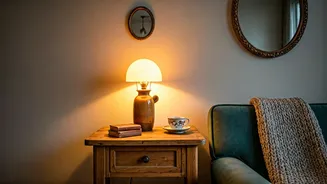
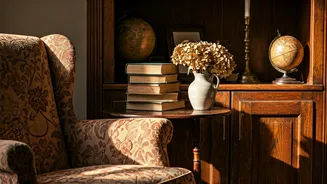
There's a growing fatigue with interiors that feel engineered for social media rather than for real life. [8] Mass-produced furniture, while convenient, often lacks a personal story or unique character. [2, 5] Vintage pieces, in contrast, offer an immediate
sense of history and individuality. Each scratch, patina, or hand-carved detail tells a story, turning a simple object into a conversation starter. [2] This shift represents a desire for authenticity and a home that reflects a personal narrative, not a catalogue. [3, 8] Younger generations, in particular, are driving this trend, seeking out one-of-a-kind items that add depth and meaning to their spaces in a world saturated with digital perfection and disposable goods. [13]
The Sustainable Choice
Beyond aesthetics, the move towards vintage is deeply rooted in environmental consciousness. [3] The so-called "fast furniture" industry contributes significantly to landfill waste, with millions of tons of cheaply made items discarded annually. [15, 21] These products are often made from non-recyclable materials and have a short lifespan. [15, 20] Choosing vintage is an inherently sustainable act. [2] It operates within a circular economy, extending the life of well-crafted objects and reducing the demand for new resources. [21, 23] A study by Carbon Clear found that an antique chest of drawers has a carbon footprint up to 16 times lower than its newly made equivalent, making it a powerful choice for the eco-aware consumer. [16]
The Psychology of the Hunt
A significant part of the appeal of vintage is the experience of finding it. The thrill of the hunt—scouring flea markets, antique shops, and online marketplaces—provides a sense of discovery that conventional retail cannot match. [10] Psychologists note that the brain's reward centre is activated not just by the acquisition of an item, but by the anticipation and search itself. [13, 14] This process creates a deeper emotional connection to the objects we bring into our homes. [10, 13] Collecting provides a sense of control, order, and personal identity, allowing people to curate a small universe that reflects their tastes and values. [10, 17]
How to Blend Old and New
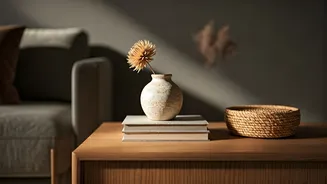
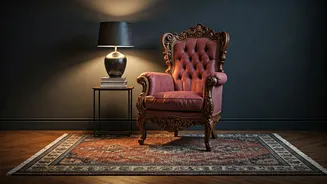
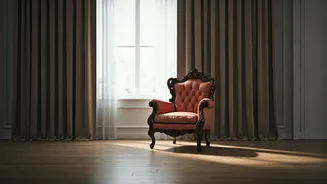
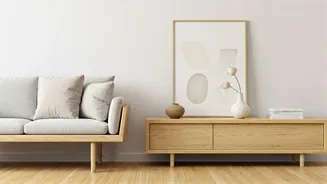
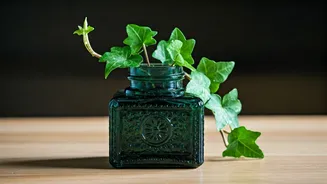
Incorporating vintage doesn't mean your home has to look like a museum. The modern approach involves artfully mixing styles and eras to create a layered, eclectic look. [2, 6] A great way to start is with a single statement piece, like an antique mirror, a mid-century modern armchair, or a unique chandelier. [4, 6, 7] This item can act as a focal point, with more contemporary decor built around it. [6] Experts suggest an '80/20 rule', where 80% of your decor is modern and 20% is vintage, ensuring a balanced feel. [11] Don't be afraid to repurpose items; an old wooden chest can become a unique coffee table, or a vintage chair can be updated with modern fabric. [7, 12] The key is to find pieces that resonate with you personally, creating a space that feels curated and authentic. [8]