



More Than Just a Water Tank
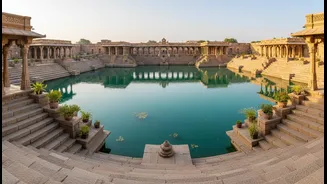
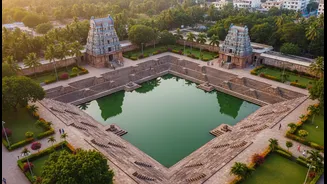
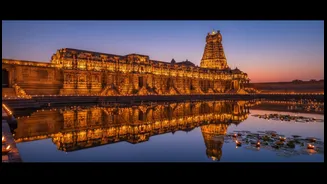
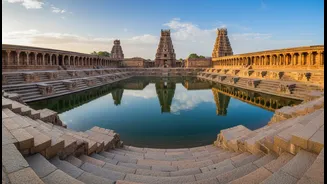
For centuries, the Vandiyur Mariamman Teppakulam has been more than a reservoir; it is a centrepiece of Madurai's spiritual and cultural life. Built in the 17th century by King Thirumalai Nayak, this massive temple tank was created from the very earth
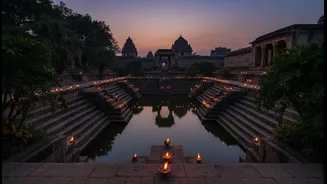
excavated to build his famous palace. It is intrinsically linked to the city's revered Meenakshi Amman Temple and is the stage for the spectacular annual Float Festival, or 'Teppotsavam'. During this festival, held to celebrate the king's birth anniversary, the idols of Goddess Meenakshi and Lord Sundareswarar are placed on an illuminated float and taken across the water, drawing lakhs of devotees and tourists. This connection between land, water, and faith makes the Teppakulam a living heritage site, not just a historical monument.
A Jewel in Decline
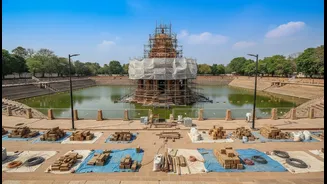
Despite its significance, the Teppakulam had, like many urban water bodies in India, fallen into a state of neglect. The channels connecting it to the Vaigai River were often blocked, leaving the tank dry for long periods. The areas around it suffered from unregulated commercial activity, waste dumping, and traffic congestion, which marred the visitor experience and posed a challenge to maintaining cleanliness. Pedestrians found their paths blocked, and the overall sanctity of the space was compromised. The central mandapam, a beautiful structure with a unique architectural blend, also showed signs of erosion and damage. This decline threatened not only a historic structure but also the cultural practices that depended on it.
A Blueprint for Renewal
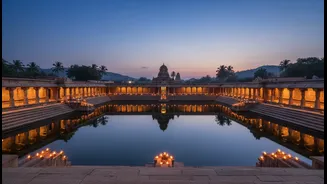
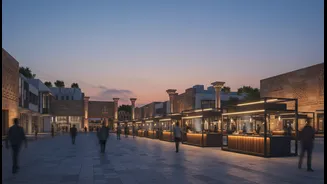
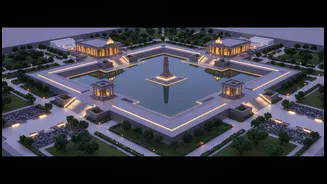
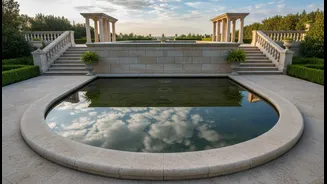
The transformation of the Teppakulam has been a multi-faceted effort, focusing not just on aesthetics but on restoring its core function as a vibrant public and sacred space. While a major renovation of the central mandapam was undertaken years ago, recent proposals aim to elevate the entire area. The latest push includes plans for installing colourful lighting to turn the tank into an event venue, creating dedicated viewing galleries, and establishing a hygienic food street to relocate the scattered eateries. The idea is to manage commercial activity in a way that complements, rather than detracts from, the heritage site. This involves providing proper parking, sanitation systems, and regulated spaces for traders, which residents believe will significantly improve cleanliness and accessibility. Similar successful revitalisation efforts at other temple tanks, like the Rockfort Teppakulam in Tiruchi, have shown that clearing encroachments and adding amenities like walking tracks and heritage lighting can transform these spaces.
Where Culture Drives Development
This is what separates Madurai’s approach from generic urban development. It is 'culture-led' because the renewal is designed to enhance the tank's primary role as a cultural and spiritual hub. The proposed developments, like better lighting and event spaces, are aimed at making cultural programs more accessible and spectacular. By creating a more organised and pleasant environment, the city encourages both locals and tourists to engage with the space, not just pass by it. This strategy understands that the Teppakulam's economic value as a tourist attraction is directly tied to its cultural and religious authenticity. When visitors come for the Float Festival, they are participating in a living tradition. Improving the infrastructure around this tradition boosts the local economy—benefiting hotels, shops, and transport operators—while preserving the very essence of what makes Madurai unique.
A Lesson for Urban India
Madurai's Teppakulam provides a powerful counter-narrative to the idea that modernisation requires erasing the past. For too long, Indian cities have chased a uniform vision of 'smartness' that often overlooks their unique cultural DNA. Projects like the Teppakulam revitalisation, as well as those under the now-concluded Smart Cities Mission, show a different path is possible. The Mission itself encouraged area-based development tailored to local needs, and the institutional frameworks it created, like Special Purpose Vehicles (SPVs), can now be repurposed to drive such heritage-focused projects. The lesson here is that a city's most valuable assets are often hidden in plain sight: its water bodies, its historic structures, and its living traditions. By investing in these, cities can create public spaces that are not only economically productive and environmentally sustainable but also deeply meaningful to their citizens.