

The Boracay Paradox
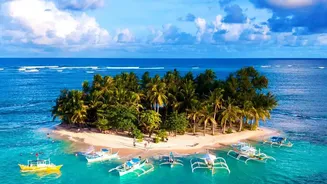
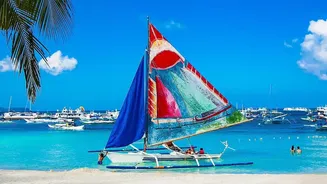
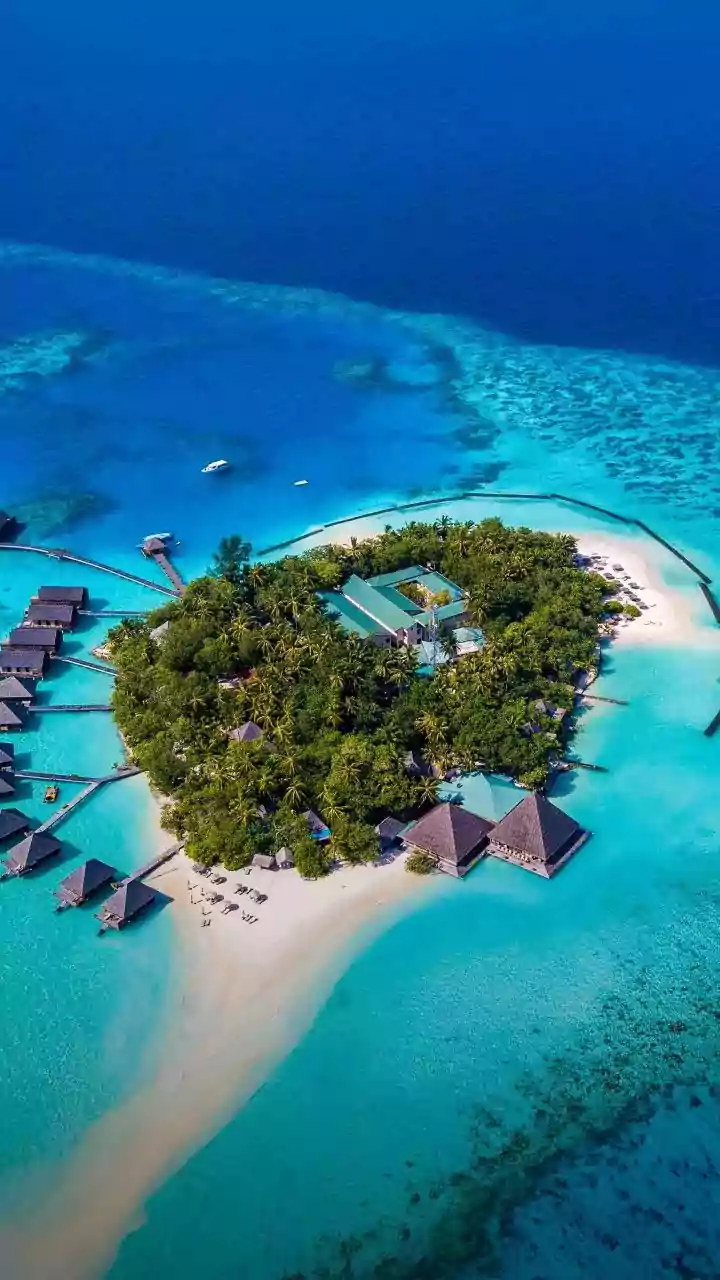
Boracay’s beauty is undeniable, but so are the crowds. Before its famous six-month closure in 2018 for environmental rehabilitation, the island was straining under the weight of its own popularity, with President Duterte calling it a 'cesspool'. The shutdown
aimed to fix sewage systems and demolish illegal structures, establishing a daily tourist cap to prevent a recurrence. Post-rehabilitation, the island has seen a strong recovery. In 2025, Boracay welcomed over 2.15 million visitors, a slight increase from the previous year, with a target of 2.3 million for 2026. While these numbers signal a successful economic rebound, they also bring back the familiar challenge: balancing vibrant tourism with the risk of overcrowding, especially during peak seasons like holidays when daily arrivals have breached official limits.
What Does 'Overrated' Even Mean?
The term 'overrated' is subjective. For some travellers, it’s purely about crowds. Jostling for a spot on the sand or waiting in long lines can diminish the serene experience they envisioned. For others, it’s about the loss of authenticity, where local culture feels secondary to commercial interests. In Boracay, the nightlife is a major draw, but some visitors find the beaches are surprisingly quiet during the day as many tourists are there to party after dark. The debate isn't about whether a place is beautiful, but whether the experience matches the expectation. High costs, environmental strain, and the feeling of being in a tourist bubble rather than a unique destination all contribute to the 'overrated' label.
Beyond Boracay: The Next Crowded Corners
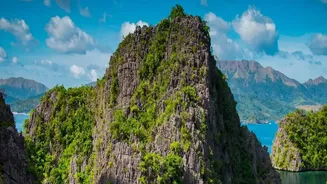
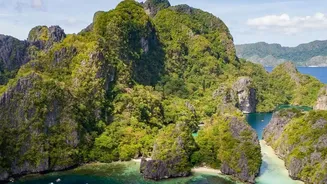
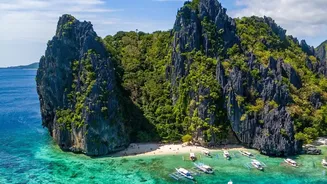
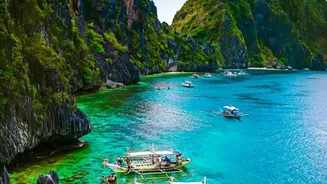
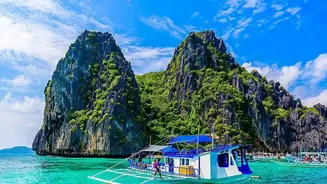
The issue of loving a place 'to death' isn't unique to Boracay. Other Philippine hotspots are facing similar pressures. Palawan, with its stunning lagoons in El Nido and Coron, is often touted as an alternative, but it too struggles with the impact of mass tourism on its delicate ecosystems and infrastructure. Siargao, the country's surfing capital, has seen a visitor boom that strains its resources and infrastructure, prompting concerns about preserving its laid-back vibe. Even Bohol, known for the Chocolate Hills and Panglao Island's beaches, is listed among destinations where tourism pressure is a growing concern. Simply swapping one famous beach for another often just shifts the problem, creating a new 'next Boracay' in a cycle of discovery and saturation.
The Rise of Conscious Travel
Instead of just asking 'where to go next?', a better question might be 'how to go?'. The answer lies in more mindful and sustainable travel. This can mean visiting during the shoulder seasons (the months just before and after peak season) to avoid the biggest crowds and enjoy lower prices. It can also involve exploring lesser-known parts of a popular island or choosing accommodations that prioritize sustainability, such as those using renewable energy or supporting local communities. Engaging in eco-friendly activities like kayaking or hiking, respecting local guidelines, and ensuring your spending benefits the local economy are also key. This approach doesn't mean skipping popular places altogether; it means visiting them in a way that helps preserve their beauty for years to come.