







Why the Monsoon Is a High-Risk Season
The magic of the monsoon—the high humidity and ambient warmth—is also what makes it a danger zone for food safety. This combination creates the perfect environment for harmful bacteria like Salmonella and E. coli, fungi, and viruses to thrive and multiply
rapidly. Moisture in the air accelerates spoilage, makes bread mould faster, causes dry goods to clump, and can compromise the texture and safety of everything from fresh produce to cooked leftovers. This heightened risk of contamination means common illnesses such as food poisoning, gastroenteritis, typhoid, and cholera become more prevalent. Therefore, what might be a minor food handling shortcut in drier months can become a significant health risk during the rains.
Master the Cooking Stage
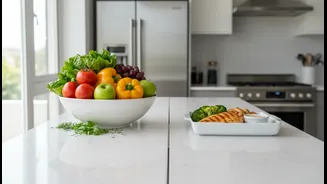
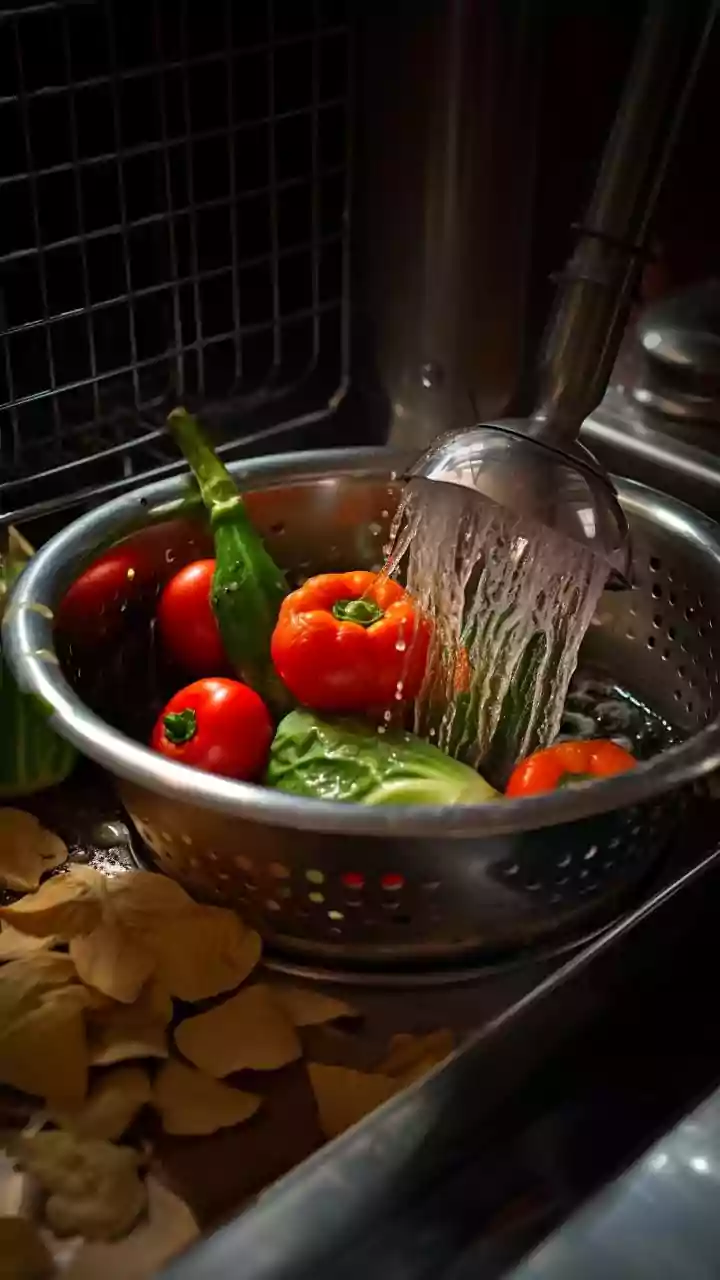
Discipline begins with how you prepare your food. The most fundamental rule is to cook food thoroughly. Heat kills most harmful pathogens, so ensuring your meat, poultry, and even vegetables are well-cooked is your first line of defence. It’s wise to be extra cautious with foods that are often consumed raw. For instance, consider steaming salad vegetables instead of eating them raw to eliminate germs. Wash all fruits and vegetables thoroughly under clean, running water, perhaps even using a mild salt or vinegar solution for an extra layer of safety. During this season, it is best to avoid street food, especially items like chaat, pre-cut fruits, and juices, as the water used may be contaminated and hygiene standards can be uncertain.
The Crucial Cooling Window
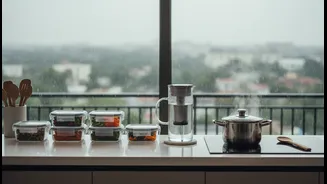
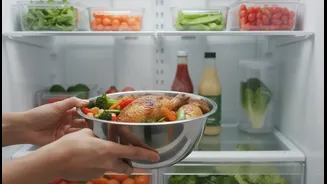
How you handle food after it's cooked is just as important as the cooking itself. Bacteria multiply fastest in the “Danger Zone,” between 4°C and 60°C. Leaving freshly cooked food to cool on the counter for hours is a common but dangerous mistake. Your goal is to get food through this temperature zone as quickly as possible. Food should be cooled from cooking temperature to 21°C within two hours, and then down to 4°C within the next four hours. Never place a large, steaming pot of food directly into the refrigerator, as it can raise the internal temperature of the fridge, putting other foods at risk. Instead, divide large quantities of food like curries, dals, or rice into smaller, shallow containers to help them cool down faster. An ice water bath—placing the smaller containers in a sink or larger bowl filled with ice water—can significantly speed up the process.
Store with Smart Discipline
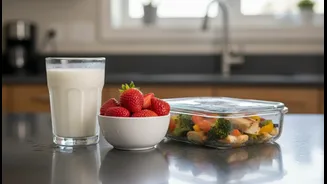
Proper storage is your final defence against microbial growth. Always use airtight containers to store leftovers in the refrigerator. This prevents moisture and airborne bacteria from contaminating the food and stops it from absorbing odours from other items. Be diligent about managing your fridge: keep it clean and avoid overloading it to ensure cold air can circulate effectively. Store raw meat and eggs on the bottom shelf, away from cooked foods, to prevent cross-contamination from drips. Label leftovers with the date they were made. As a general rule, refrigerated leftovers should be consumed within three to four days. For dry goods like flour, pulses, and spices, airtight containers are also essential to keep out the dampness that encourages mould and attracts pests. Storing these in a cool, dry pantry—not on a cold, damp floor—is key.