







A Fundamental Shift in Strategy
For decades, ISRO was the sole custodian of India's space dreams, handling everything from research and development to building rockets and launching satellites. That era is now giving way to a new collaborative model, catalysed by the Indian Space Policy
of 2023. This policy redefines ISRO's role, tasking it to focus on advanced R&D, national security missions, and scientific exploration. The routine, operational aspects of building and launching rockets and satellites are now being systematically transferred to the private sector. This transition isn't just a policy on paper; it's a strategic move to transition from a 'supply-based' to a 'demand-driven' model, aimed at unlocking commercial potential and increasing India's share of the global space economy.
The Twin Engines: IN-SPACe and NSIL
Driving this transformation are two key government entities. The Indian National Space Promotion and Authorisation Centre (IN-SPACe), established in 2020, acts as the single-window agency to promote, authorise, and supervise all private space activities. It’s the essential link between private players and ISRO, ensuring access to facilities and a stable regulatory environment. Working alongside it is NewSpace India Limited (NSIL), ISRO's commercial arm. Unlike its predecessor, Antrix, which primarily marketed existing ISRO services, NSIL has a broader mandate: to own and operate space assets, procure launch vehicles from industry, and commercialise ISRO's technologies on a global scale. Together, IN-SPACe and NSIL are creating an ecosystem where private companies are no longer just vendors but end-to-end partners.
From Competitor to Collaborator
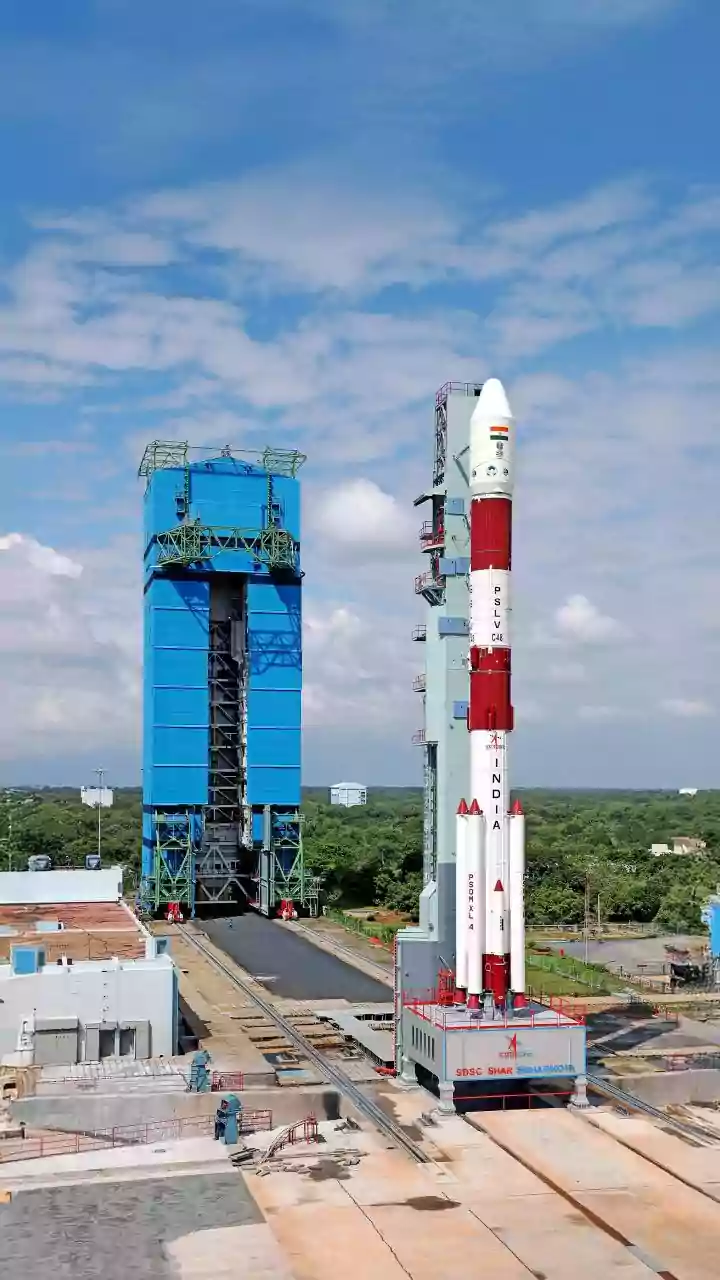
Perhaps the most significant change is ISRO's evolution from a potential competitor to a foundational collaborator. Through IN-SPACe and NSIL, ISRO is actively facilitating technology transfers, giving Indian companies the know-how to build everything from specialised adhesives to satellite components. This includes the unprecedented full technology transfer of its workhorse rocket, the Polar Satellite Launch Vehicle (PSLV), to qualified private industries. To further reduce entry barriers, the government recently introduced subsidy schemes that offer significant price support on launch services, technology transfer fees, and the use of ISRO facilities, making the sector more competitive. This deliberate handing over of proven technology and infrastructure is designed to fast-track the industry's capabilities and help Indian firms compete globally.
A Burgeoning Private Ecosystem
The policy shift is already bearing fruit. India is now home to nearly 300 space-tech startups, which have collectively raised close to $900 million in funding since 2021. Companies like Skyroot Aerospace, which successfully launched India's first privately developed orbital rocket, and Agnikul Cosmos, known for its 3D-printed rocket engines, are becoming prominent names. These startups are not just focused on launches; they are building capabilities across the entire value chain, including satellite manufacturing, propulsion systems, and Earth observation data analytics. This diversification is creating an integrated commercial ecosystem, with Bengaluru, Hyderabad, and Chennai emerging as major hubs. The investor base is also broadening, moving from domestic venture capital to global institutional investors, signalling growing confidence in the sector's long-term potential.
Challenges on the Launchpad
Despite the momentum, the path ahead is not without challenges. The space industry is capital-intensive, and while funding has increased, a majority of startups are yet to secure significant investment. There are also concerns about the execution of technology transfers, with a parliamentary panel noting that some technologies may have been transferred at undervalued rates, questioning whether the benefits are being fully realised. Furthermore, a comprehensive national space bill to provide a robust legal framework supporting the 2023 policy is still awaited. Ensuring sustained access to capital, navigating regulatory frameworks, and scaling from development to commercial operations remain significant hurdles for many private players. The journey from policy to profitable, scaled-up practice is a long one, requiring continuous government support and industry resilience.