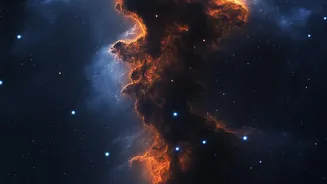









2001: A Space Odyssey (1968)
Stanley Kubrick’s masterpiece isn’t just a film; it’s a cinematic event that set the standard for what science fiction could be. Made decades before modern CGI, its visual grandeur was achieved through painstaking practical effects, large-scale models,
and innovative camera techniques. Supervised by Kubrick himself, the effects team, including pioneer Douglas Trumbull, used methods like front projection and the revolutionary 'slit-scan' process for the iconic Star Gate sequence. The result is a film that feels less like it was made and more like it was discovered. The silent, balletic dance of spacecraft set to classical music, the imposing presence of the monolith, and the chillingly serene interiors of the Discovery One spaceship create a sense of scale and wonder that remains unmatched. It’s a meditative, philosophical journey that uses its visuals to ask profound questions about humanity's place in the universe.
Blade Runner 2049 (2017)
How do you follow up one of the most iconic sci-fi films ever made? Director Denis Villeneuve and legendary cinematographer Roger Deakins answered by creating a visual poem of staggering beauty. Deakins, who won an Oscar for his work, paints a world that is both breathtaking and oppressive. The smog-choked, neon-drenched Los Angeles and the eerie, orange-hued ruins of Las Vegas are unforgettable landscapes. Every frame is a meticulously composed work of art, using harsh geometry, atmospheric fog, and constantly shifting light to build the world. Inspired by real-world locations from Beijing to Spain, the film's aesthetic feels tangible and grounded, despite its futuristic setting. It’s a masterclass in visual storytelling, where the colour palette and lighting convey as much emotion and narrative as the dialogue does, creating an immersive, melancholic atmosphere that lingers long after you leave the theatre.
Gravity (2013)
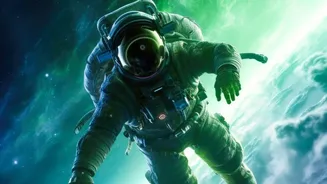
Few films have captured the sheer terror and breathtaking beauty of space like Alfonso Cuarón’s 'Gravity'. More of a survival thriller than a traditional epic, its inclusion here is a testament to its revolutionary visual execution. The film’s famous opening shot is a seamless long take lasting nearly 13 minutes, a technical marvel that immediately immerses the viewer in the silent, unforgiving void. Cinematographer Emmanuel Lubezki’s camera glides and pirouettes, shifting between claustrophobic close-ups inside a helmet and vast, terrifying shots of an astronaut tumbling into darkness. British VFX company Framestore spent over three years creating the film’s photorealistic effects, which make up over 80% of its runtime. The result is a visceral, heart-pounding experience that feels startlingly real, making you feel the vertigo and desperation of being stranded hundreds of miles above Earth.
Interstellar (2014)
Christopher Nolan is a champion of in-camera spectacle, and 'Interstellar' is arguably his most ambitious vision. To bring the far reaches of space to life, Nolan prioritized practical effects and scientific accuracy. The Endurance spacecraft was built as a detailed set, and the film’s depiction of the black hole, Gargantua, was so groundbreaking it was based on the equations of Nobel Prize-winning physicist Kip Thorne, leading to new scientific insights. The journey through the wormhole and the approach to the massive black hole are not just visual effects; they are scientifically informed simulations of cosmic phenomena. This commitment to realism, combined with the raw, emotional story of a father trying to save humanity, gives the film its power. The sheer scale of the tidal waves on Miller's planet or the silent, imposing presence of Saturn creates a sense of awe that is best appreciated on a giant screen.
Dune (2021)
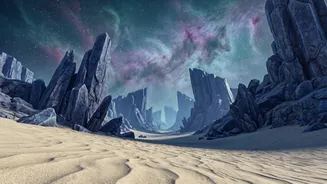
Denis Villeneuve appears again, this time trading a rain-soaked future for a sand-blasted one. 'Dune' is a film defined by its monumental scale. Cinematographer Greig Fraser masterfully captures the sheer immensity of the desert planet Arrakis, making viewers feel the heat and the grit. The key to its visual success is conveying scale through relation; tiny human figures are constantly dwarfed by colossal spaceships, cavernous buildings, and, of course, the magnificent and terrifying sandworms. Shot with IMAX cameras to maximize its verticality and scope, the film feels truly epic. From the brutalist architecture of the Atreides' home on Caladan to the vast, windswept landscapes of the desert, every element is designed to feel ancient and immense. It’s a powerful example of world-building, creating a universe that feels not just imagined, but truly lived-in and impossibly large.