





What Exactly is Kanji?
At its heart, Kanji is a traditional, fermented drink originating from the Indian subcontinent, particularly popular in North India. The classic recipe involves a few simple, yet potent, ingredients: black carrots (known as 'kali gajar'), water, salt,
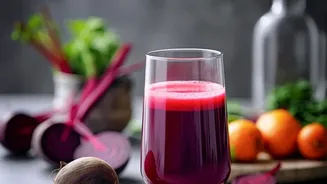
and coarsely ground mustard seeds ('rai'). These ingredients are combined in a large glass or ceramic jar and left to ferment naturally in the sun for several days. During this time, the magic happens. The drink develops its signature tangy, pungent flavour and a striking, deep purple hue, courtesy of the anthocyanins in the black carrots. While traditionally made with these special seasonal carrots, variations using red carrots and beetroot are also common, yielding a similarly vibrant colour and delicious taste.
A Sip of Tradition
For generations, Kanji has been more than just a beverage; it's a seasonal ritual. Its preparation is closely associated with the transition from winter to spring and is a staple during the festival of Holi. Historically, it's been a household remedy in North Indian states like Punjab, Uttar Pradesh, and Rajasthan, consumed to aid digestion and boost well-being. Many recall large family jars of Kanji fermenting on sunny balconies, a nostalgic image tied to home and tradition. Its revival is not just about discovering a new flavour, but about reconnecting with a piece of cultural heritage that was, until recently, at risk of being forgotten in the urban rush.
The Science of a Healthy Gut
The secret to Kanji’s appeal lies in the age-old process of lacto-fermentation. The natural bacteria present on the carrots, combined with those from the environment, get to work, converting the sugars in the carrots into lactic acid. This process not only preserves the drink but also creates a host of beneficial probiotics. These are the ‘good bacteria’ essential for maintaining a healthy gut microbiome. A balanced gut is linked to improved digestion, better nutrient absorption, and a stronger immune system, as a significant portion of our immune cells reside in the digestive tract. Studies have shown that homemade Kanji possesses a rich probiotic profile, which can help reduce bloating and promote regular bowel movements.
More Than Just Probiotics
The health benefits of Kanji extend beyond its probiotic content. Black carrots are nutritional powerhouses, packed with antioxidants, particularly anthocyanins, which are known to fight oxidative stress. The fermentation process actually makes these beneficial compounds more readily available for the body to absorb. This ruby-red drink is also a source of essential vitamins and minerals, including Vitamin A, Vitamin C, and potassium. The mustard seeds contribute their own therapeutic properties, known to have antimicrobial qualities. This potent combination makes Kanji a low-calorie, hydrating drink that supports everything from skin health to liver function.
The Modern Urban Revival
So why is this rustic drink suddenly so popular with urban dwellers? The comeback is part of a larger global shift towards wellness and natural foods. In a world saturated with sugary sodas and processed drinks, consumers are actively seeking healthier, more authentic alternatives. Kanji fits the bill perfectly. It's the Indian answer to the global kombucha craze, but with a familiar, homegrown flavour profile. Social media influencers and home chefs have played a significant role in re-popularising traditional recipes, showcasing Kanji’s vibrant colour and easy preparation. This revival is about embracing a drink that is both a delicious, tangy appetiser and a powerful functional food, perfectly aligned with the modern pursuit of holistic health.