




Fortify Your Pantry Staples
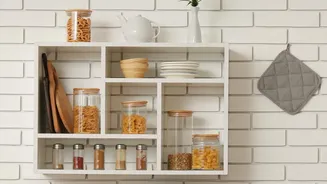
Humidity is the biggest enemy of dry goods during the rainy season. Grains, flours, pulses, and snacks like biscuits can quickly become soggy, clumpy, or infested. The most crucial step is to store them in high-quality airtight containers, preferably
glass jars, immediately after purchase. Avoid leaving them in their original paper or plastic packaging. For an extra layer of protection against moisture, you can lightly dry-roast items like sooji (rava) and flour before storing. Placing a few dried neem leaves or a small cotton pouch with rock salt inside containers of rice and pulses also acts as a natural deterrent for pests and moisture.
Handle Fresh Produce with Care
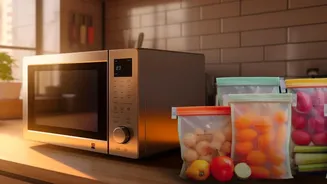
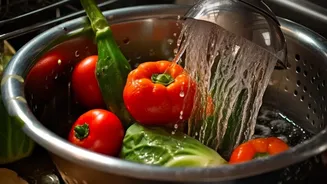
Fresh fruits and vegetables are more susceptible to spoilage and contamination during the monsoon. It's advisable to buy them in smaller batches more frequently, rather than stocking up. Before storing, wash all produce thoroughly under clean, running water. For leafy greens like spinach and cabbage, a good practice is to soak them in a bowl of water with a little salt or vinegar for about 15 minutes to help remove germs, then rinse and pat them completely dry before refrigerating. Storing vegetables while they are still wet can accelerate rot. Using breathable bags can help with air circulation in the fridge.
Safeguard Your Spices
Indian cooking relies on the potent aroma and flavour of spices, which can be compromised by dampness. Moisture causes spices to form lumps, lose their potency, and even develop mould. Always use a completely dry spoon when scooping out masalas, as even a drop of water can spoil the contents of a jar. Store your spice rack in a cool, dry cabinet away from the steam of the stove and direct sunlight. If a spice has developed a musty smell or shows visible signs of mould, it's safest to discard it immediately rather than risk using it.
Master Your Refrigerator and Leftovers
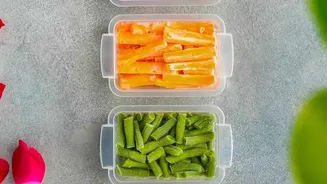
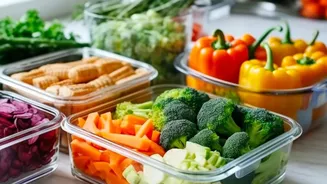
Your refrigerator works overtime during the monsoon. Keep it clean by wiping it down regularly to prevent condensation and mould growth. Avoid overcrowding the fridge, as this restricts airflow and can lead to uneven cooling and food spoilage. Leftovers are particularly risky in high humidity. Cooked rice, for instance, should be consumed within 24 hours and never be left at room temperature for more than an hour, as bacteria can multiply rapidly. Store all cooked food in airtight containers and refrigerate it promptly. As a general rule, it's best to cook food in smaller quantities and consume it fresh.
Adopt Smarter Kitchen Habits
Beyond storage, a few key habits can make a huge difference. Keep kitchen surfaces, especially countertops and cutting boards, clean and dry at all times. Use separate cutting boards for raw meat and vegetables to prevent cross-contamination. Be extra cautious with street food, which can be a major source of foodborne illnesses due to the potential use of contaminated water and exposure to the elements. Finally, ensure your drinking water is safe by boiling or filtering it, as water sources are more likely to be contaminated during the rainy season.