






Why Paw Health Matters
A dog's paws are their connection to the world. These complex structures are more than just feet; they are shock absorbers, temperature regulators, and sensory tools. The pads protect the bones and joints from impact and provide grip on various surfaces.
However, because they are in constant contact with the ground, they are exposed to everything from rough terrain and sharp objects to dirt, bacteria, and allergens. Ignoring paw health can lead to painful conditions that affect your dog's ability to walk, run, and play. A simple hygiene routine can prevent many common problems before they start.
The Dangers of Dirt and Dampness
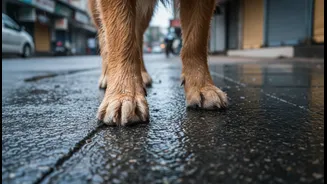
When paws are consistently dirty or damp, they become a perfect breeding ground for problems. Mud and moisture trapped between the paw pads and toes can lead to a range of issues. Fungal and yeast infections are particularly common, often signaled by a musty odour, redness, and excessive licking. Bacteria can also thrive in these warm, moist environments, causing infections that may require veterinary treatment. Puddles and wet grass, especially during India's monsoon season, can harbour harmful bacteria and parasites. Constant moisture softens the paw pads, making them more vulnerable to cuts, cracks, and abrasions.
A Simple Daily Inspection Routine
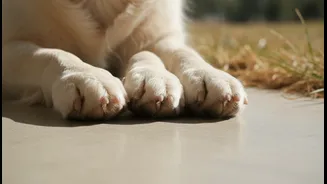
Making paw inspection a part of your daily routine is the best way to catch issues early. After each walk, take a few moments to gently check your dog's feet. Look between the toes and on the pads for any cuts, cracks, blisters, or swelling. Check for foreign objects like thorns, small stones, or glass shards that might be lodged in the paw. Also, watch for any signs of pests like ticks. Trimming the fur between the paw pads can make inspections easier and prevent debris from getting tangled and causing irritation. If your dog seems unusually sensitive or starts licking a paw obsessively, it's a clear sign that a closer look is needed.
Proper Cleaning and Drying Methods
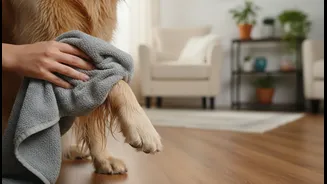
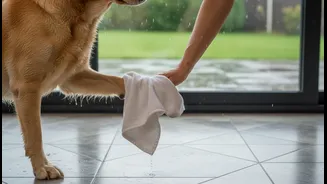
Cleaning should be a gentle and positive experience. For routine clean-ups after a walk, a soft, damp cloth or pet-safe grooming wipes are often sufficient to remove surface dirt and allergens. For very muddy paws, a more thorough wash may be needed. Use lukewarm water and a mild, dog-safe shampoo. Gently massage the paws, making sure to clean between the toes. The most critical step, however, is drying. Always dry your dog's paws thoroughly with a clean towel, paying special attention to the areas between the digits. Leaving them damp cancels out the benefits of cleaning and can actively encourage fungal growth.
Special Care During Monsoon
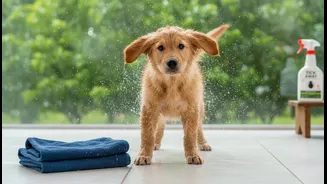
The monsoon season in India presents unique challenges for paw health. Constant dampness and waterlogged streets mean that paws rarely get a chance to dry completely. During this time, paw care is not just recommended; it is essential. After every single walk, no matter how short, paws should be rinsed and thoroughly dried. Some veterinarians recommend a dilute antiseptic wash for use during the monsoon to help prevent infections. Using a protective paw balm before walks can create a barrier against moisture and irritants. If your dog is comfortable with them, waterproof booties can also offer excellent protection.
When to Consult a Veterinarian
While consistent home care can prevent most issues, some problems require professional attention. You should consult your veterinarian if you notice persistent limping, non-healing sores or cracks, significant swelling or redness, or a foul-smelling discharge. These can be signs of a deep infection, an embedded foreign object, or an underlying allergic condition that needs a proper diagnosis and treatment plan. Never use human medications or creams on your dog's paws unless specifically instructed to do so by a vet, as some ingredients can be toxic if ingested.