

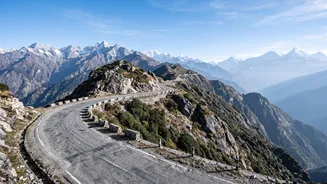
The crisp air and majestic views of the Himalayas are an irresistible draw. But as you plan your escape to places like Ladakh or Spiti, it's crucial to prepare for two key challenges: the high altitude and the biting cold. Here’s what you need to know.
Understanding Altitude Sickness
High altitude refers to elevations above 2,500 metres (around 8,000 feet). As you go higher, the air becomes thinner with less oxygen, and your body needs time to adjust. When this adjustment period is too short, you can develop Acute Mountain Sickness (AMS). Symptoms often appear within 6 to 24 hours of arrival and can feel like a nasty hangover: a persistent headache, nausea, loss of appetite, fatigue, and difficulty sleeping. It's vital not to dismiss these signs. While mild AMS is common and usually resolves with rest, pushing onward can lead to severe, life-threatening conditions known as High-Altitude Cerebral Edema (HACE) and High-Altitude Pulmonary Edema (HAPE).
The Golden Rule: Acclimatise Properly
The single most important factor in preventing altitude sickness is giving your body time to acclimatise. The biggest mistake travellers make is ascending too quickly. If you are flying directly into a high-altitude destination like Leh, which sits at about 3,500 metres (11,500 feet), the first 24-48 hours are critical. Complete rest is non-negotiable on the first day. Avoid any strenuous activity, including long walks. On the second day, you can take short, gentle walks around your immediate area. The popular mantra for trekkers and road-trippers is 'climb high, sleep low,' meaning you can go to a higher altitude during the day but should return to a lower elevation to sleep, allowing your body to recover. Once you are above 3,000 metres, try not to increase your sleeping altitude by more than 500 metres per day.
Hydration, Diet, and Medication
Staying well-hydrated is crucial at high altitudes; aim to drink at least 3-4 litres of water daily. Avoid alcohol and smoking, as they can worsen dehydration and mask the symptoms of AMS. Opt for high-carbohydrate meals, which help your body use oxygen more efficiently. Before your trip, consult your doctor about preventative medication like acetazolamide (Diamox). This prescription drug can help your body acclimatise faster but needs to be started a day or two before your ascent and is not suitable for everyone. It’s also wise to carry basic medicines for headaches, nausea, and an oral rehydration solution (ORS).
Dressing for the Cold: The Layering System
Mountain weather is unpredictable, and the key to staying warm is not a single bulky jacket but a smart layering system. This consists of three parts. First is the base layer, which sits against your skin and should be made of a moisture-wicking material like polyester or merino wool to pull sweat away from your body. Avoid cotton at all costs, as it traps moisture and makes you colder. The second is the mid-layer, which provides insulation. A fleece jacket or a light down jacket works perfectly here. Finally, the outer layer, or shell, protects you from wind, rain, and snow. This should be a waterproof and windproof jacket. This system allows you to add or remove layers to regulate your body temperature as conditions change.
Protecting Against Frostbite and Hypothermia
Extreme cold poses the risk of two serious conditions: hypothermia and frostbite. Hypothermia occurs when your body loses heat faster than it can produce it, leading to a dangerously low core body temperature. Early signs include intense shivering, numbness, and confusion. Frostbite is an injury caused by the freezing of skin and underlying tissues, most commonly affecting fingers, toes, nose, and ears. The affected skin may look white or greyish and feel hard and numb. Prevention is key: cover all exposed skin with warm hats, gloves, scarves, and proper footwear. Keep moving to generate body heat, take regular breaks in warm spaces, and ensure your clothes, especially socks and gloves, stay dry. If you suspect either condition, seek shelter and medical attention immediately.