







Master the Booking Window
Timing is everything when it comes to travel fares. For domestic flights within India, the sweet spot for booking is generally four to six weeks in advance. This is the period before airline algorithms detect rising demand and start hiking prices for last-minute
travellers. Booking within a week of your departure can cost significantly more. However, this isn't a universal rule. For high-demand leisure routes, like Mumbai to Goa during peak season, you might need to book eight to ten weeks out. Conversely, during off-peak or monsoon months (June-August), airlines may drop prices for unsold inventory closer to the departure date, sometimes rewarding those who book just three to five weeks in advance. Don't forget to clear your browser cookies or use incognito mode, as some booking portals use dynamic pricing based on your search history.
Travel on a Tuesday or Wednesday
The day you choose to travel can have a huge impact on your ticket price. Flights and trains are almost always more expensive on Fridays and Sundays, as people leave for and return from weekend trips. The cheapest days to travel are typically Tuesdays and Wednesdays. If you have the flexibility, shifting your short trip by a day or two to depart mid-week can result in substantial savings. Early morning or late-night 'red-eye' flights are also frequently cheaper than those departing at more convenient daytime hours, as demand is lower.
Embrace the Off-Season
If your destination is flexible, consider travelling during the shoulder or off-season. Peak travel times in India include major holidays like Diwali and Christmas, as well as summer school vacations in April and May. Fares during these periods can be 50-70% higher than average. The monsoon season (roughly July to September) and the post-winter, pre-Holi month of February often see the lowest domestic fares. Travelling during these times not only saves you money on transport and hotels but also means facing fewer crowds at popular attractions.
Consider Alternative Airports and Transport
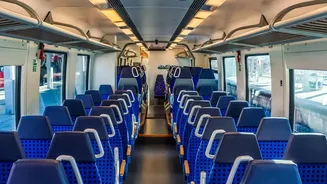
For short trips, a flight isn't always the fastest or cheapest option. India's expanding network of high-speed trains, like the Vande Bharat Express, can be a cost-effective and comfortable alternative, especially when you factor in the time and money spent getting to and from airports. Don't overlook premium buses for overnight journeys, which can save you the cost of a night's accommodation. If you must fly, check if your destination is served by a secondary airport. Cities like Delhi (with Noida International Airport) and Mumbai (with Navi Mumbai International Airport) now have alternate options that might offer cheaper flights as they build traffic.
Use Technology to Your Advantage
Don't just search on a single website. Use fare aggregator and comparison tools to scan multiple airlines and booking platforms at once. One of the most powerful tools for a budget traveller is the price alert. Set up alerts for your desired route and travel dates, and you'll receive notifications when the fare drops. This allows you to monitor prices without having to check manually every day. While dynamic pricing is used by both airlines and Indian Railways for premium trains, being aware of price movements helps you book when the cost is at a low point.
Leverage Points and Loyalty Programs
If you travel even a few times a year, signing up for airline loyalty programs is a no-brainer. For short, domestic trips, you can often accumulate enough points for a free or heavily discounted flight relatively quickly. Many co-branded credit cards also offer significant welcome bonuses and accelerated points on travel spending. These points can be a lifesaver for booking last-minute trips when cash fares are exorbitant. Just be sure to read the terms and conditions and pay off your balance to ensure the rewards outweigh any fees.