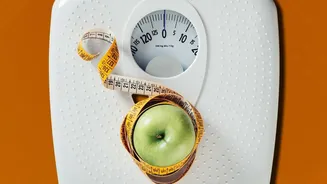







Stepped on the scale this morning only to see a number that makes no sense? You're not alone. The frustrating, seemingly random jumps in weight are often not about fat gain, but about the invisible influence of your body's chemical messengers: hormones.
The Menstrual Cycle Rollercoaster
For many women, the most predictable weight fluctuations are tied to the menstrual cycle. The two key players here are estrogen and progesterone. In the week or two leading up to your period, hormonal shifts can cause your body to retain more water and salt. Progesterone, which peaks after ovulation, can slow down digestion, leading to bloating and a feeling of heaviness. This can result in a temporary weight gain of one to five pounds, which typically disappears once your period begins. These changes are a normal part of the cycle and not an indication of actual fat gain. Recognizing this pattern can help you feel less anxious about daily weigh-ins.
Stress and The Cortisol Connection
Ever noticed you feel puffier during a stressful week? You can thank cortisol. Known as the 'stress hormone', cortisol is released by your adrenal glands in response to pressure. When you're under chronic stress, cortisol levels can remain persistently high. This encourages your body to hold onto sodium and water, leading to fluid retention and bloating. High cortisol can also ramp up your appetite, especially for sugary, salty, and high-calorie foods, which can further contribute to weight changes. Managing stress through mindfulness, regular exercise, and adequate sleep can help keep cortisol levels in check and reduce this effect.
Perimenopause and Midlife Shifts
The transition into menopause, known as perimenopause, brings significant hormonal changes. As estrogen levels decline and fluctuate unpredictably, the body's ability to manage fluid balance can be altered, often leading to increased water retention. While declining progesterone itself doesn't cause fat gain, the lower levels can contribute to bloating and water retention, making you feel heavier. This phase of life also sees a natural loss of muscle mass, which slows down metabolism. These hormonal shifts can change where your body stores fat, often leading to more accumulation around the abdomen. It’s a time when many women find their usual weight management strategies less effective.
The Impact of Insulin and Diet
Insulin is another powerful hormone that affects your weight, often in the very short term. When you eat a meal high in refined carbohydrates or sugar, your body releases insulin to help your cells absorb the glucose from your blood. High insulin levels can signal your kidneys to retain sodium, and where sodium goes, water follows. This is why you might see a jump on the scale the morning after a carb-heavy dinner. This is purely water weight tied to glycogen storage and is not a reflection of fat gain. Focusing on a balanced diet with adequate protein, healthy fats, and complex carbohydrates can help stabilize insulin levels and minimize these fluid-related shifts.
How to Manage The Fluctuations
While you can't stop your hormones from shifting, you can support your body to minimize the effects. Staying well-hydrated is key; it sounds counterintuitive, but drinking enough water helps your body flush out excess sodium and reduce retention. A diet rich in potassium from fruits and vegetables helps counterbalance sodium levels. Regular, gentle movement can improve circulation and reduce bloating, while prioritizing sleep and managing stress helps regulate cortisol. Finally, try to limit highly processed foods and excessive salt, which are major contributors to fluid retention. By focusing on these consistent habits, you can feel better in your body, regardless of what the scale says on any given day.