

As winter descends on Rajasthan, Jaipur sheds its summer intensity for a gentler, golden glow. The crisp air and pleasant sun make it the perfect season to explore the city's legendary monuments, especially Amber Fort and the Hawa Mahal.
The Pink City's Winter Allure
Winter, spanning
from October to March, is widely considered the best time to visit Jaipur. The scorching heat of summer gives way to comfortable daytime temperatures, generally ranging from a pleasant 15°C to 25°C. This makes exploring the city's sprawling forts and bustling markets a delightful experience rather than an exhausting one. The mornings and evenings are cool and crisp, requiring a light jacket or shawl, while the days are blessed with clear skies and soft sunlight, perfect for photography. The festive atmosphere, with celebrations like Diwali and the famed Jaipur Literature Festival, adds another layer of vibrancy to the city during these months.
Amber Fort: A Majestic Hilltop Chronicle
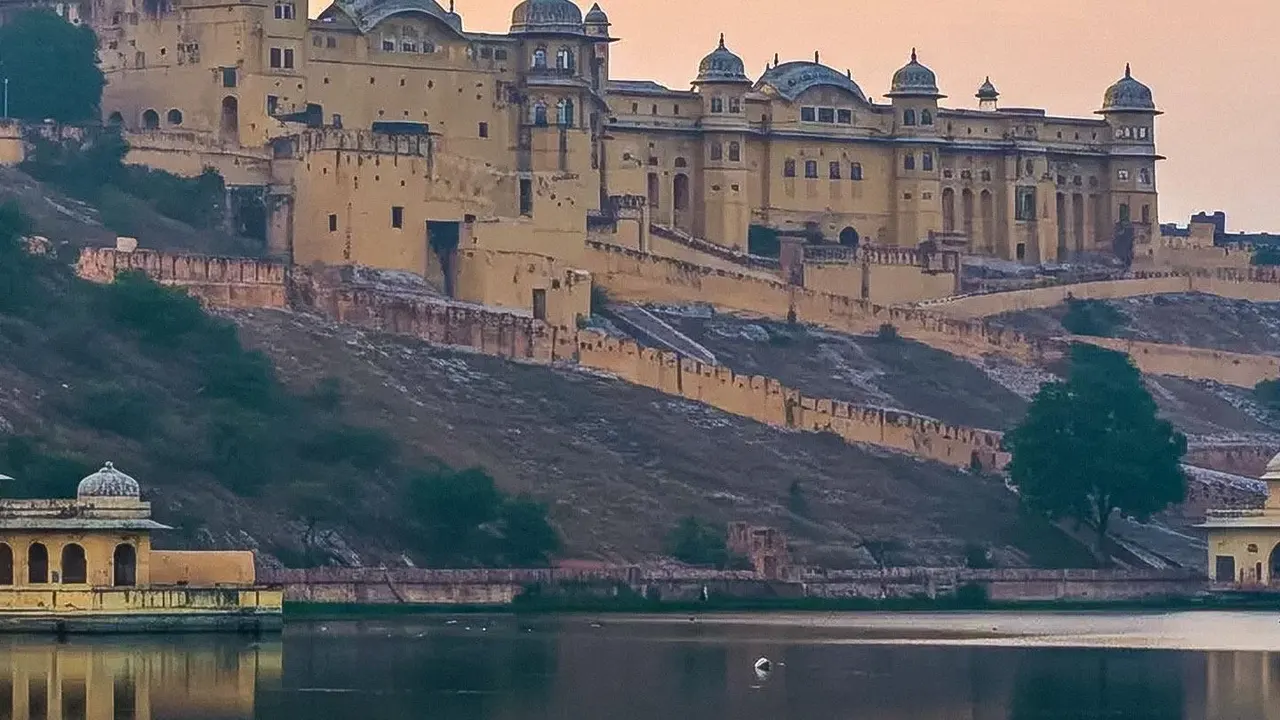
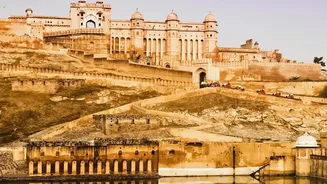
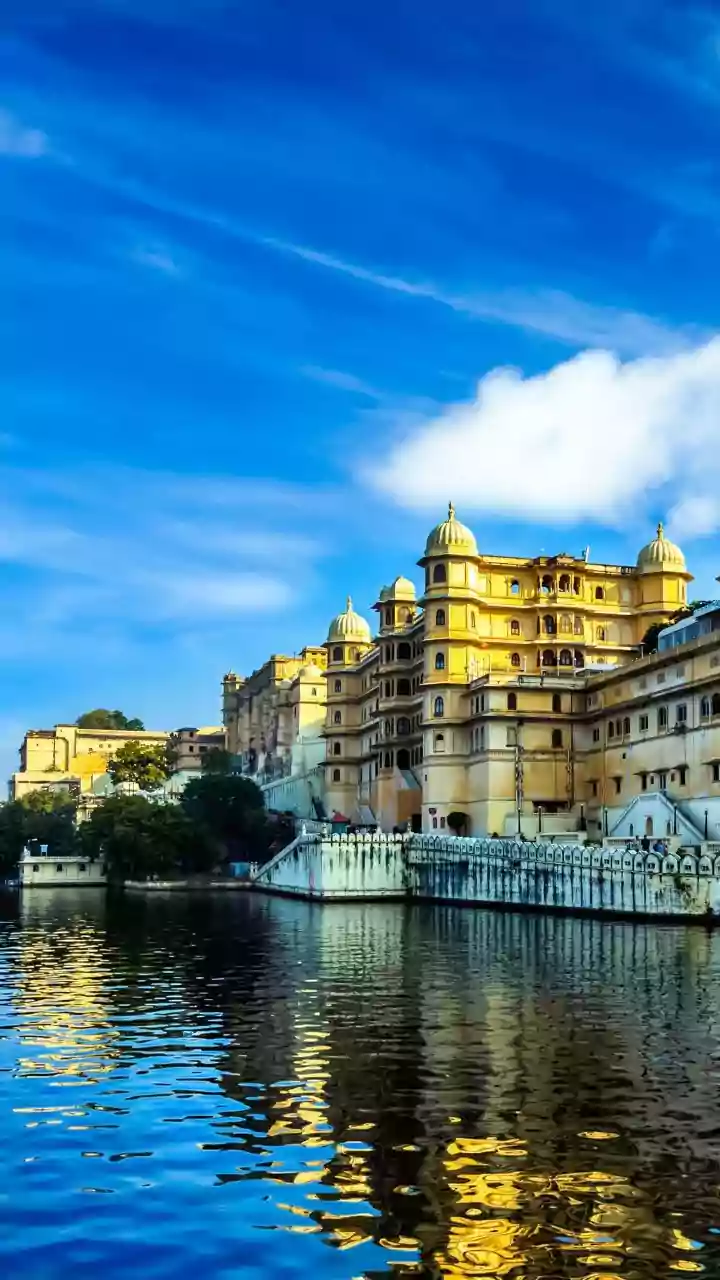
Perched atop a hill overlooking Maota Lake, the 16th-century Amber Fort (also called Amer Fort) is a breathtaking example of Rajput and Mughal architectural fusion. Built by Raja Man Singh I in 1592, its formidable red sandstone and marble exterior houses a series of magnificent palaces, halls, and gardens. Key attractions inside include the Diwan-i-Aam (Hall of Public Audience), the Sukh Niwas, and the spellbinding Sheesh Mahal (Mirror Palace), where intricate mirror work covers the walls and ceilings, designed to glitter under candlelight. A visit typically requires two to three hours to fully appreciate its grandeur.
Expert Tips for Your Amber Fort Visit
To make the most of your trip, arrive early, ideally between 8 AM and 10 AM. This allows you to experience the fort in the soft morning light with fewer crowds before the peak hours. The fort is generally open from 8:00 AM to 5:30 PM. Consider purchasing a composite ticket, which is valid for two days and covers entry to other sites like Hawa Mahal and Jantar Mantar, offering excellent value. For a memorable evening, the Light and Sound Show, held near Maota Lake, narrates the fort's history against its illuminated backdrop. The English show in winter usually starts around 6:30 PM or 7:30 PM, but it's wise to confirm the daily schedule.
Hawa Mahal: An Icon of Ingenuity
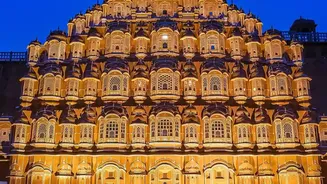
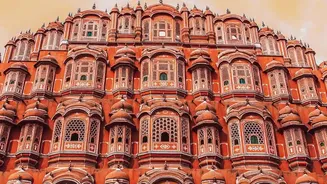
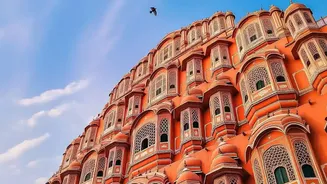
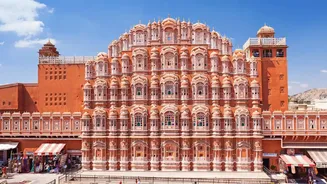
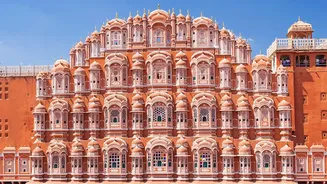
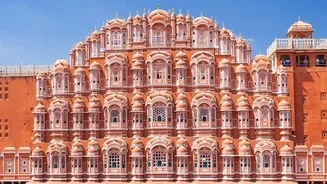
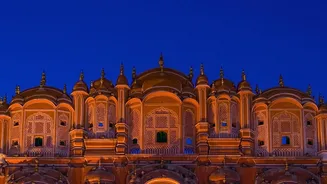
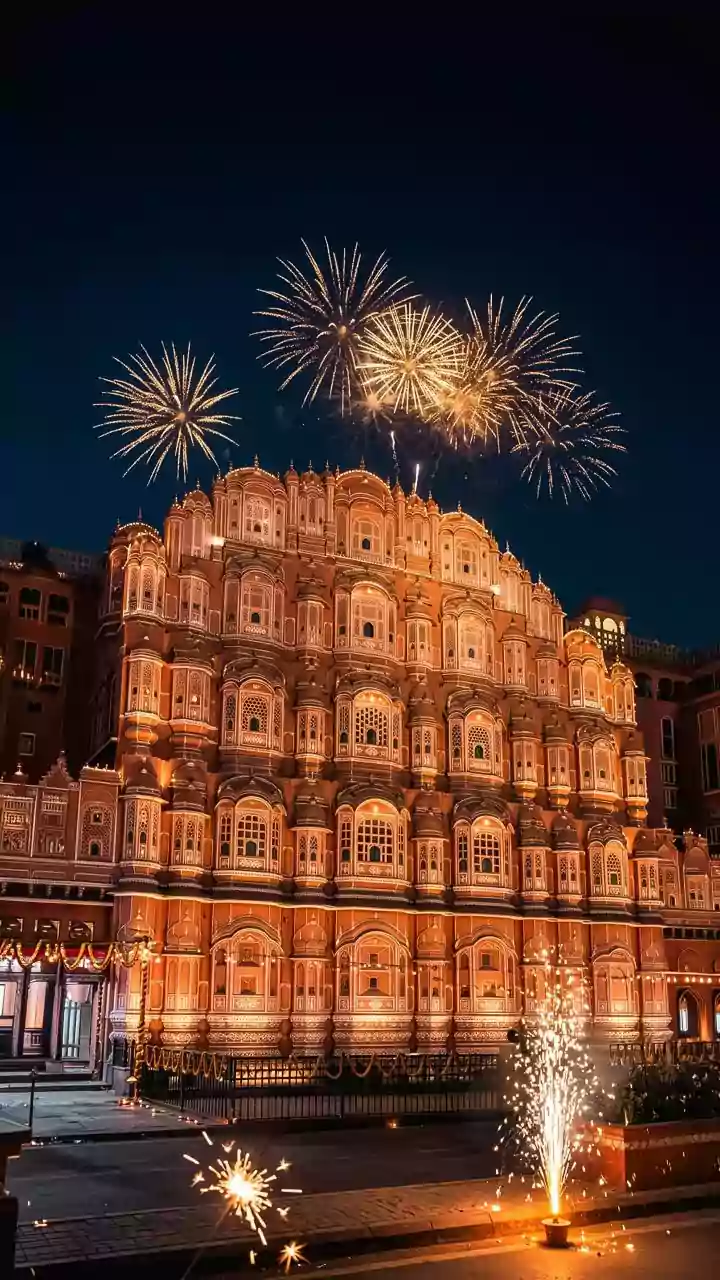
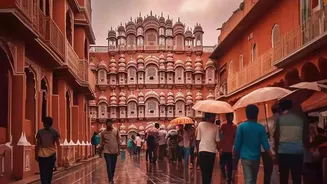
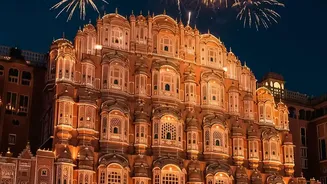
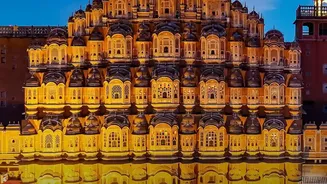
No trip to Jaipur is complete without seeing the Hawa Mahal, or 'Palace of Winds'. This iconic five-storey facade, built in 1799 by Maharaja Sawai Pratap Singh, is essentially an architectural marvel of pink sandstone with 953 intricately carved windows, known as jharokhas. Its primary purpose was not as a residential palace but to allow the royal women to observe street processions and daily life without being seen, adhering to the purdah system. The lattice design also created a natural form of air conditioning, allowing cool breezes to flow through, which is how it earned its famous name.
How to Best Experience the Palace of Winds
The best time for photographs of the Hawa Mahal's famous facade is early in the morning, between 9 AM and 11 AM, when the sun illuminates it perfectly. While the exterior is its most famous feature, you can also go inside. It's open daily from 9:00 AM to 5:00 PM. A visit inside is relatively short, taking about 30 minutes. For the most iconic postcard view, head to the rooftop cafes directly across the street, which offer an unobstructed perspective. Its central location makes it easy to combine a visit with the nearby City Palace and Jantar Mantar.
Dressing for a Jaipur Winter
Packing for Jaipur in winter is all about layers. Days can be warm enough for t-shirts or cotton kurtas, but mornings and evenings turn chilly. A light jacket, sweater, or a warm shawl is essential. Since exploring forts involves a lot of walking on uneven stone surfaces, comfortable, closed-toe shoes with good grip are a must. The winter sun can still be strong, so carrying sunglasses and a cap is also recommended.