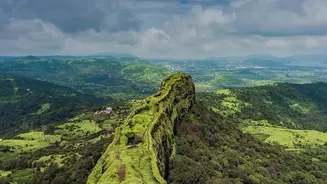

The Classic Run: Mahabaleshwar to Panchgani
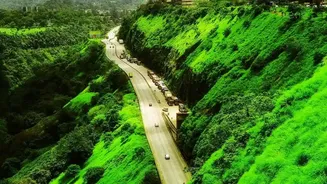
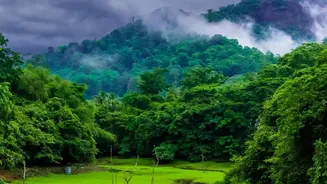
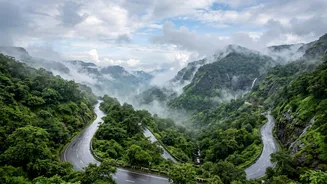
This is arguably the most iconic monsoon drive in the region, connecting the two popular hill stations. The relatively short stretch of road becomes a journey through the clouds during the rains. As you navigate the winding Pasarni Ghat, you'll be greeted
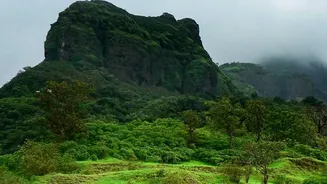
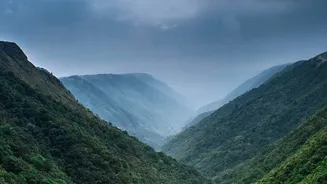
by vistas of valleys blanketed in dense fog and hillsides painted in countless shades of green. Key stops along this route include Parsi Point and Sydney Point, which offer panoramic views of the Dhom Dam backwaters and the Krishna Valley. Another essential stop is Table Land in Panchgani, Asia's second-longest volcanic plateau, which turns into a green carpet under the monsoon sky. The drive is dotted with small stalls selling roasted corn on the cob (bhutta) and hot chai, perfect for a quick break while you soak in the misty atmosphere. While strawberry farms won't be active, the cool, pleasant weather and the sheer beauty of the rain-washed landscape make this a must-do drive.
The Lake Route: The Drive to Tapola
Often called the 'Mini Kashmir' of Maharashtra, Tapola is a rustic hamlet known for the stunning Shivsagar Lake, a 90-km-long reservoir formed by the Koyna Dam. The 25-km drive from Mahabaleshwar to Tapola is a picturesque journey in itself, taking you through dense forests and past charming villages. During the monsoon, the route is less about specific viewpoints and more about the continuous, unfolding scenery of the Koyna backwaters. The road winds alongside the lake, offering glimpses of its tranquil expanse at every turn. Boating on Shivsagar Lake is a primary attraction, though services can depend on weather conditions, so it's wise to check in advance. This drive is perfect for those who want to escape the crowds and immerse themselves in a serene, water-world landscape. The experience is not about speed but about enjoying the quiet inlets, tree-covered hillsides, and the calming presence of the vast reservoir.
The Flower Trail: Satara to Kaas Plateau
For a truly unique monsoon experience, the drive from Satara to the Kaas Plateau is unparalleled. A UNESCO World Natural Heritage site, Kaas Pathar transforms into a 'Valley of Flowers' from late August to early October. The drive from Satara city, about 25 km, is a scenic climb through the ghats. Even before you reach the plateau, the route offers breathtaking views of the surrounding hills, valleys, and mini-waterfalls. The plateau itself is a biological marvel, home to over 850 species of flowering plants that create a vibrant carpet of colour for a few weeks each year. Due to its ecological sensitivity, visitor numbers are restricted, and it's essential to book entry passes online in advance, especially for weekend visits. While the bloom is the main event, the drive is rewarding throughout the monsoon, with lush landscapes and a cool, refreshing climate. Combining this trip with a visit to the nearby Bamnoli village on the shores of Shivsagar Lake can make for a full-day excursion.
The Waterfall Chase: The Thoseghar and Chalkewadi Loop
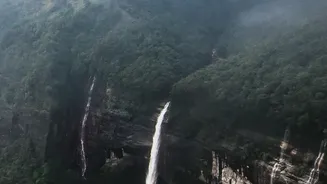
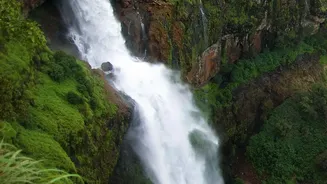
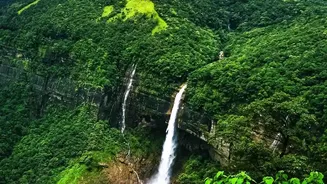
If roaring waterfalls are what you seek, this route starting from Satara is tailor-made for you. The main attraction is Thoseghar Falls, a series of majestic waterfalls, one of which cascades from a height of over 500 metres. Located about 20 km from Satara, the drive to Thoseghar is incredibly scenic, with the road winding along cliff edges offering wonderful views. A well-maintained platform provides a safe and spectacular viewpoint for the falls, which are at their most powerful during the monsoon. Just a few kilometres further from Thoseghar lies the Chalkewadi Windmill Farm, one of Asia's largest. Here, hundreds of giant windmills are spread across the rolling hills, creating a surreal and mesmerising landscape, especially when shrouded in mist. The combination of the powerful waterfalls and the serene, spinning windmills makes this a drive of dramatic contrasts and unforgettable sights.
A Note on Monsoon Driving Safety
Driving in the Western Ghats during the monsoon requires caution. Roads can be slippery, and visibility can drop to near-zero in heavy rain and fog. Always check the weather forecast before you leave. Drive slowly, especially on hairpin bends and steep gradients, and be wary of hidden potholes under waterlogged patches. It is advisable to use low beams instead of high beams in heavy rain to avoid glare. Be vigilant for signs of potential landslides, such as falling rocks or mud streams. Ensure your vehicle is in top condition, with functional wipers, good tyres, and effective brakes. It is always safer to avoid driving in the ghats after dark. The golden rule is to give way to vehicles coming uphill. By taking these precautions, you can safely enjoy the unparalleled beauty of a monsoon road trip in this stunning region.