
Start with a Plan
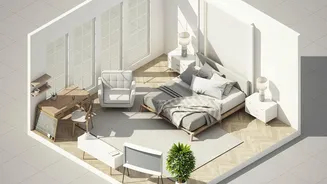
Before you move a single piece of furniture, grab a tape measure and paper. A simple sketch of your room is your most powerful tool. Measure the room's dimensions and note the locations of doors, windows, and electrical outlets. Think about your daily
routine: what is the most natural path from the door to your closet or bed? The goal is to keep these main traffic lanes clear. Aim for at least 24 to 30 inches of walking space for primary paths to avoid that frustrating side-shuffle around furniture.
Anchor the Room with the Bed
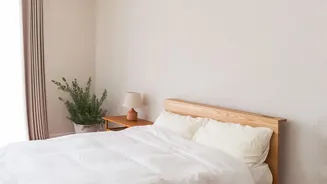
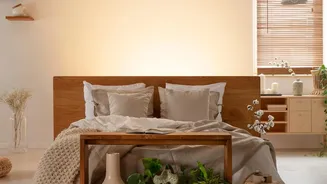
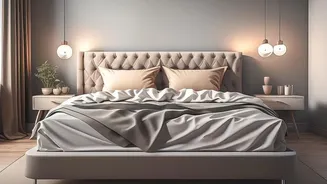
The bed is the largest item and will dictate the rest of your layout. While placing it in the center of the main wall often creates a pleasing symmetry, it's not the only option. In very narrow rooms, pushing the bed into a corner can be a game-changer, opening up a larger, continuous area of floor space. Another option is placing the bed against the longest wall, which can make the room feel more balanced and functional. If you have a window, positioning your bed underneath it can create a beautiful focal point, as long as the headboard is low enough not to block light.
Think Vertically and Multi-Functionally
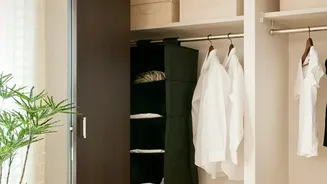
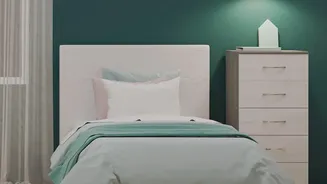
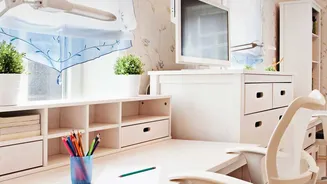
When floor space is limited, the only way to go is up. Tall, narrow dressers and bookcases use vertical space that would otherwise be wasted, providing ample storage without a large footprint. Wall-mounted shelves are another excellent choice, serving as nightstands or book storage without taking up any floor area. Also, prioritize furniture that performs more than one job. A bed with built-in drawers can eliminate the need for a separate dresser, while an ottoman with internal storage can hold extra linens and provide seating.
Choose Visually Light Furniture
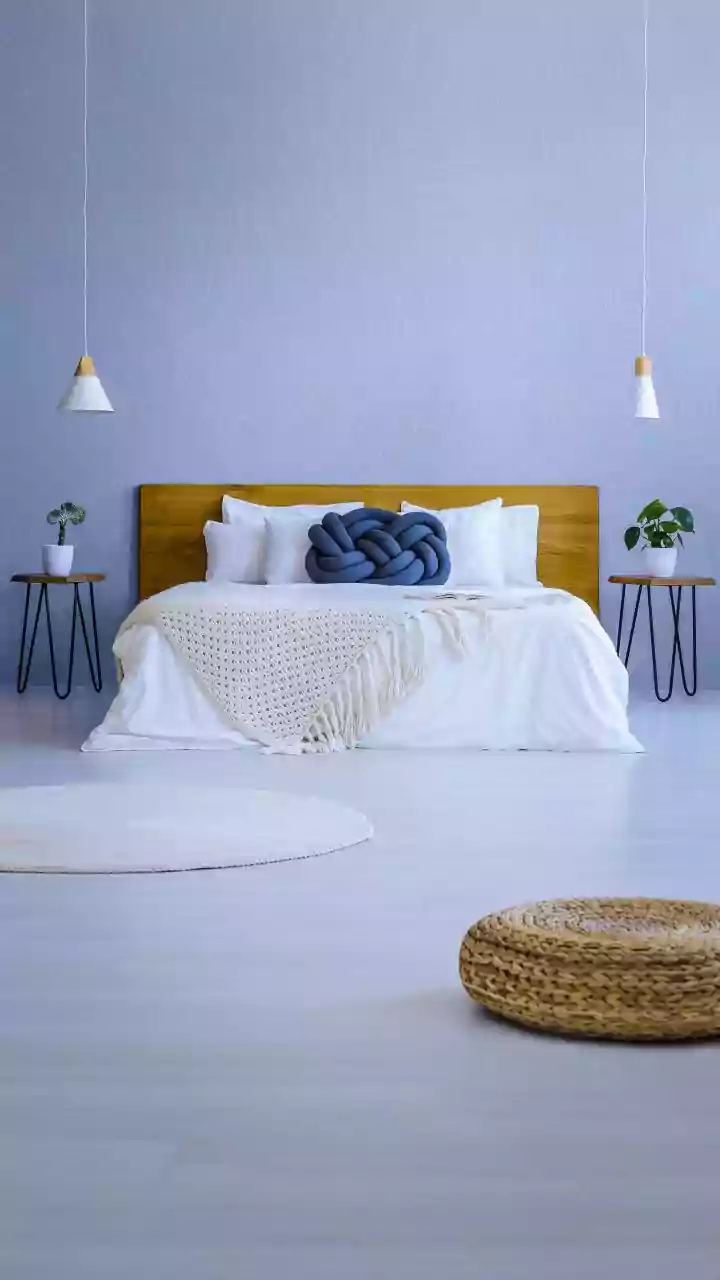
The physical size of your furniture isn't all that matters; its visual weight is just as important. Pieces with raised legs—like a mid-century modern dresser or a slim nightstand—allow you to see more of the floor, creating an airy, open feeling. Furniture made of light-colored wood, metal, or glass also feels less bulky than dark, heavy pieces. A 'floating' nightstand mounted to the wall is a perfect example of this, giving you a surface for essentials while keeping the floor completely clear.
Create the Illusion of Space
Once your layout is set, a few decorative tricks can make the walls feel like they're farther apart. A large mirror is an essential tool; placing one opposite a window will double the natural light and create a powerful sense of depth. Light, neutral paint colors on the walls will make the room feel bigger and brighter. Finally, resist the urge to fill every corner. Leaving some breathing room around your furniture makes the entire space feel less crowded and more intentional. A clear, uncluttered floor is one of the biggest luxuries in a small room.