




More Than Just ‘Sick Person’s Food’
For generations, many of us in India have associated dalia, or broken wheat porridge, with recovery. It was the simple, gentle meal served during an illness—bland, easy to digest, and utterly functional. But it’s time to press reset on that perception.
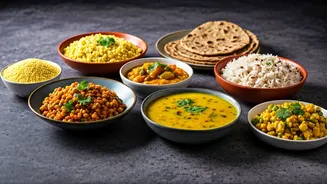
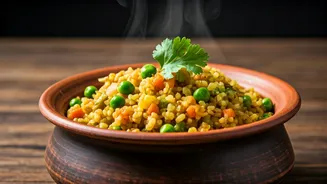
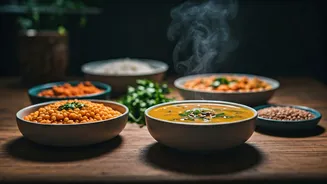
The vegetable dalia making a comeback today is not the plain gruel of our childhoods. It’s a flavourful, hearty, and incredibly versatile one-pot meal that has been hiding in plain sight. Chefs, nutritionists, and home cooks are rediscovering its potential, transforming it from a patient’s diet into a savoury, satisfying dish worthy of any dinner table. This modern dalia is packed with seasonal vegetables, aromatic spices, and a comforting texture that feels like a warm hug in a bowl.
A Nutritional Powerhouse in a Bowl
The rising popularity of vegetable dalia isn't just about taste and comfort; it's firmly rooted in its impressive nutritional profile. Dalia is made from whole wheat kernels that are cracked into small pieces. Unlike refined flour, it retains the bran and germ, making it a fantastic source of dietary fibre. This fibre is crucial for good digestive health, helping to keep you full longer and preventing unhealthy snacking. It's also a complex carbohydrate, which means it releases energy slowly, providing sustained fuel without causing sharp spikes in blood sugar levels. This makes it an excellent choice for diabetics and anyone looking to manage their weight. Add to that a healthy dose of protein, essential minerals like magnesium and iron, and a mix of vitamins from the added vegetables, and you have a complete, balanced meal.
The Ultimate Comfort Food Customisation
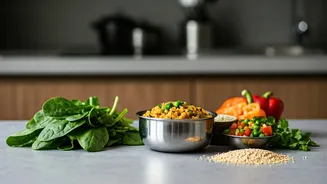
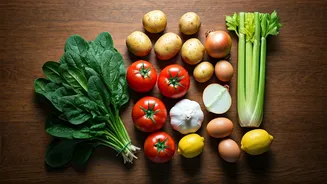
Perhaps the greatest strength of vegetable dalia is its incredible adaptability. It’s a blank canvas for your culinary creativity. The basic recipe—dalia cooked with water or broth and mixed vegetables—can be tweaked in endless ways. For a simple, soothing meal, use carrots, peas, and beans with a light tempering of cumin seeds and turmeric. If you’re craving something more robust, make a masala dalia by creating a base of sautéed onions, tomatoes, ginger, and garlic, and adding spices like garam masala, coriander powder, and red chilli. You can toss in any vegetables you have on hand, from cauliflower and bell peppers to spinach and sweet potatoes. Some people even add lentils like moong dal to increase the protein content, creating a dish similar to khichdi but with a uniquely nutty texture.
Why Is It Trending Now?
So, why the sudden surge in dalia’s popularity? Several modern lifestyle trends are converging to put this traditional grain back in the spotlight. Firstly, there's a growing movement towards embracing indigenous, local foods over imported ‘superfoods’. People are looking into their own culinary heritage for healthy and sustainable options. Secondly, our fast-paced lives demand meals that are quick, easy, and don't require a lot of clean-up. Vegetable dalia is the quintessential one-pot wonder, perfect for a weeknight dinner. Finally, in a post-pandemic world, there is a collective yearning for comfort and nostalgia. Dalia, with its deep roots in Indian homes, provides a sense of warmth and security that is deeply appealing right now. It’s healthy, affordable, and emotionally satisfying—a perfect recipe for a modern trend.
Tips for the Perfect Dalia
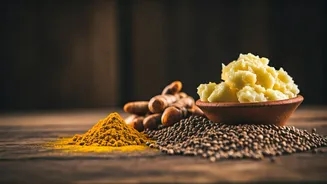
Ready to give it a try? Making delicious vegetable dalia is simple. First, always roast the dry dalia in a bit of ghee or oil for a few minutes before cooking. This simple step unlocks a wonderful, nutty aroma and prevents the grains from becoming mushy. Second, don't skip the 'tadka' (tempering). A final flourish of ghee with cumin seeds, asafoetida (hing), and perhaps some dried red chillies poured over the cooked dalia elevates the flavour immensely. Third, manage your water ratio. For a porridge-like consistency, use about 3-4 cups of water for every cup of dalia. If you prefer it more like a pilaf, use less water. Finally, finish with a squeeze of fresh lemon juice and a garnish of chopped coriander to add a burst of freshness.