




Switch 1: Your Cleanser
During drier seasons, you might reach for a creamy or oil-based cleanser. But when humidity skyrockets, your skin’s oil production can go into overdrive. High humidity prevents sweat from evaporating, leaving a mix of oil, sweat, and dirt on your skin that
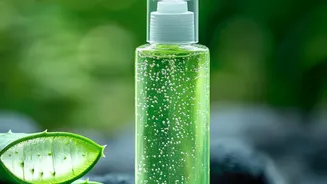
can easily clog pores. The first and most crucial switch is to a gentler, more effective cleanser for these conditions. Opt for a gel or light foaming cleanser. Look for formulas that are pH-balanced and non-stripping. The goal is to remove excess sebum and grime without compromising your skin's protective barrier. Over-washing or using harsh cleansers can backfire, causing your skin to produce even more oil to compensate.
Switch 2: Your Moisturizer
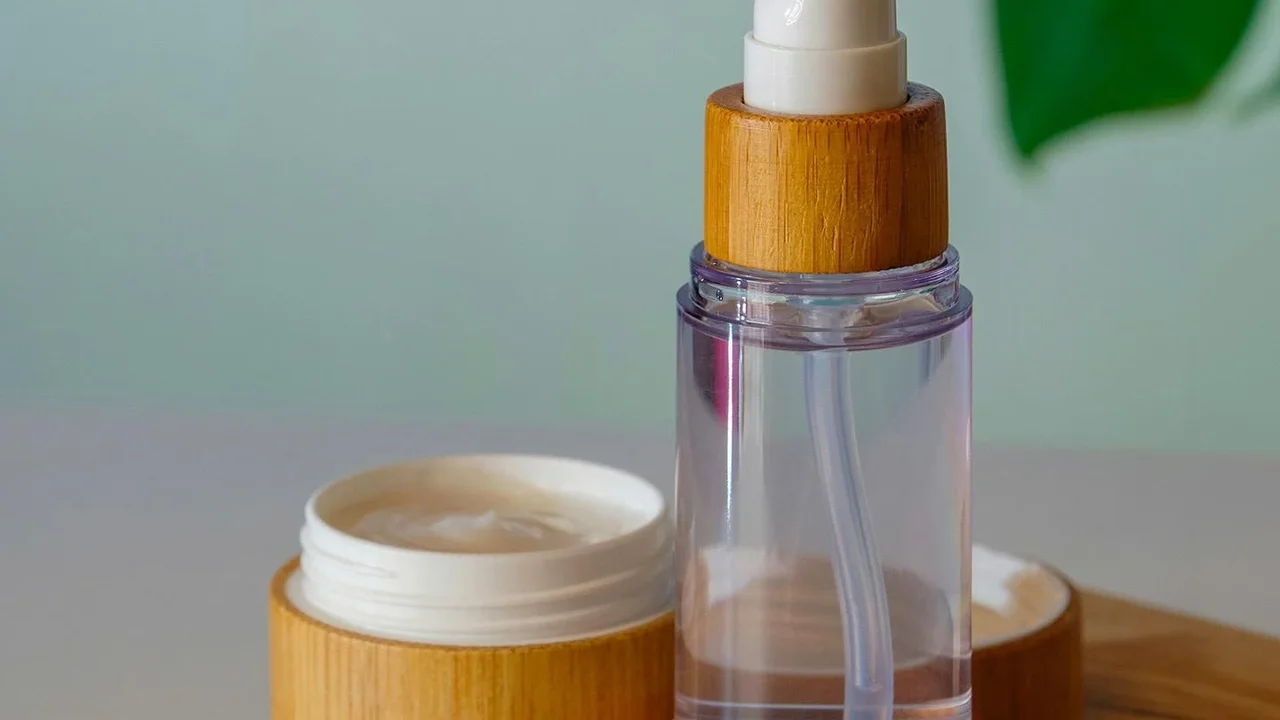
This is the most important switch of all. Packing away your thick, heavy creams is non-negotiable. While it might seem counterintuitive to moisturize when the air feels so damp, skipping this step is a mistake. Even oily skin needs hydration, as humidity doesn't equal hydrated skin. Without a moisturizer, your skin can become dehydrated, prompting it to produce more oil and leading to breakouts. The solution is to switch to a lightweight, non-comedogenic formula that won't clog your pores. Gel-based or water-based moisturizers are your best friends during the monsoon. They provide essential hydration without the greasy feel, absorbing quickly and leaving your skin feeling fresh. Look for ingredients like hyaluronic acid, which hydrates without adding weight.
Switch 3: Your Exfoliation Strategy
With the combination of sweat and increased oil, dead skin cells are more likely to get trapped on the skin’s surface, leading to congestion and a dull appearance. Regular exfoliation is key to keeping pores clear. However, avoid harsh physical scrubs, which can irritate the skin and damage its barrier. Instead, switch to gentle chemical exfoliants. Products containing Alpha-Hydroxy Acids (AHAs) like glycolic acid or Beta-Hydroxy Acids (BHAs) like salicylic acid are excellent choices. Salicylic acid is oil-soluble, meaning it can penetrate deep into pores to dissolve clogs, making it particularly effective for preventing monsoon acne. Limit exfoliation to one to three times a week to avoid irritation.
Switch 4: Your Treatment Serums
Monsoon is a good time to incorporate serums that help manage oil and prevent infections. Niacinamide is a powerhouse ingredient that helps regulate sebum production, strengthen the skin barrier, and reduce inflammation. Vitamin C serum remains a staple for its antioxidant properties, helping to fight free radical damage from pollutants that can be more prevalent with rain. The humid, damp environment is also a perfect breeding ground for fungal acne—small, itchy, uniform bumps often mistaken for regular pimples. To tackle this, consider products with antifungal properties like ketoconazole, or ingredients like salicylic acid that help keep follicles clear. If you suspect fungal acne, it's best to consult a dermatologist.
Switch 5: Your Sunscreen (Don't You Dare Skip It)
Perhaps the biggest myth of monsoon skincare is that you can skip sunscreen on cloudy days. This is a critical error. Up to 80% of the sun’s UV rays can penetrate through clouds and cause damage. UVA rays, which are responsible for premature aging and pigmentation, remain potent regardless of the weather. These rays can also reflect off wet surfaces like puddles and roads, increasing your exposure. The switch here is not whether to use sunscreen, but which one to use. Trade heavy sunscreen lotions for lightweight, gel-based, or matte-finish formulas. Look for a broad-spectrum sunscreen with at least SPF 30, and ideally SPF 50, to protect your skin effectively. Remember to reapply, as humidity and sweat can cause it to wear off faster.