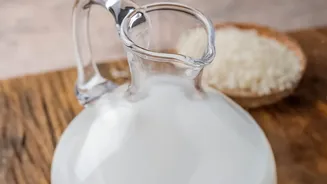






Before you pour that cloudy water from rinsing rice down the drain, consider this: you might be discarding a free, natural supplement for your houseplants. This simple kitchen byproduct could be the secret to healthier plants and a lighter wallet.
The Hidden Gem in Your Kitchen
In many
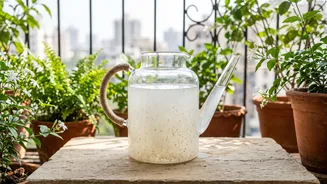
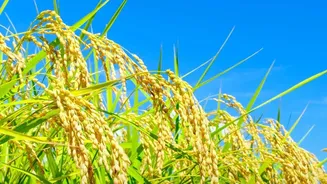
homes across India, rinsing rice is a daily ritual. The milky water left behind, often seen as waste, is actually packed with potential. Known as rice water, this liquid has been used for generations in many parts of Asia as a gentle, natural plant feed. The logic is simple: instead of buying commercial fertilisers, you can reuse a byproduct of your daily cooking to give your plants a mild nutritional boost. It's a sustainable practice that reduces kitchen waste and saves you money, turning a simple cooking step into an act of resourceful gardening.
What's Actually in Rice Water?
That cloudy appearance comes from starch leached from the rice grains. This starch serves as a food source for beneficial microorganisms in the soil. These microbes help break down organic matter, improving soil structure and making nutrients more available to your plant's roots. Rice water also contains small amounts of the 'big three' nutrients for plants: nitrogen (N), phosphorus (P), and potassium (K), along with trace minerals like magnesium and zinc. While it's not a complete replacement for a balanced fertiliser, it acts as an excellent supplement, providing a gentle, broad-spectrum meal for your plants.
How to Prepare and Use It
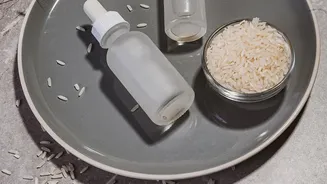
There are two main ways to prepare rice water. The simplest is to collect the water from rinsing uncooked, unsalted rice. This 'plain' rice water is mild and can be used immediately, without dilution, to water your plants. The second method creates a more potent feed: fermented rice water. To make it, let the plain rice water sit in a loosely covered jar at room temperature for two to five days. The fermentation process increases the nutrient levels and introduces beneficial bacteria. This version develops a slightly sour smell and should be diluted (a 1:1 ratio with plain water is a good start) before being applied to the soil. For either type, use it to water your plants no more than once every two weeks during their growing season.
Which Plants Benefit Most?
Most common houseplants and vegetables respond well to this treatment. Leafy greens like spinach, herbs like basil, and vegetables like tomatoes and chillies often show improved growth. Houseplants such as pothos, spider plants, and peace lilies also appreciate the mild nutrient boost. The slightly acidic nature of fermented rice water makes it particularly good for acid-loving plants like tomatoes and roses. However, you should avoid using it on succulents and cacti, as the extra moisture and starch can promote rot in plants that prefer dry conditions.
Potential Pitfalls to Avoid
While beneficial, rice water isn't a cure-all, and overuse can cause problems. Applying it too frequently can lead to a starchy buildup on the soil surface, which can harden and prevent oxygen from reaching the roots. This starchy residue can also attract pests like fungus gnats or cause mould to grow on the soil. It's crucial to only use water from rinsing plain, uncooked rice. Never use water that has been salted or has oil in it, as this can damage your plants. Think of rice water as a supplement to a healthy plant care routine, not a complete replacement for proper watering, light, and occasional balanced fertilising.