


The Beginning of the Attack
It all starts with plaque, a soft, sticky film of bacteria that constantly forms on the teeth after meals. If not removed, minerals in your pet's saliva cause this plaque to harden into tartar, also known as calculus, within just a few days. Tartar is a hard,
yellow-brown substance that bonds firmly to the teeth, creating a rough surface that allows even more bacteria to accumulate. This buildup irritates the gums, causing inflammation known as gingivitis. You might notice a thin red line along the gums, but often this first stage goes completely unnoticed. The good news is that gingivitis is reversible with proper cleaning.
The Silent Damage Below the Surface
The real danger lies hidden beneath the gumline. As tartar continues to build, it pushes the gums away from the teeth, creating small pockets. These pockets are impossible to clean with a toothbrush and become perfect breeding grounds for harmful bacteria. This is when gingivitis progresses to periodontitis, a destructive disease that attacks the very structures holding the teeth in place. The infection and chronic inflammation begin to destroy the ligaments and bone that support the tooth roots. This damage is irreversible and happens long before you might see a loose or missing tooth.
Early Warning Signs to Watch For
Pets are masters at hiding pain, a survival instinct that means they often suffer in silence. However, there are subtle clues you can look for before the disease becomes severe. Persistent bad breath is one of the most common early signs and should never be dismissed as 'normal'. Other signs include red, swollen, or bleeding gums; reluctance to chew on one side of the mouth; dropping food; or showing less interest in chew toys. You might also notice excessive drooling or your pet pawing at its face. Any of these symptoms warrant a conversation with your veterinarian.
The Four Stages of Periodontal Disease
Veterinarians classify periodontal disease into four stages to measure its severity. Stage 1 is gingivitis, with red gums but no bone loss. Stage 2 marks the beginning of periodontitis, where up to 25% of the tooth's supporting bone is lost. By Stage 3, the bone loss increases to 25-50%, gums are visibly receding, and teeth may start to become loose. Stage 4 is the most advanced, with over 50% bone loss, exposed tooth roots, significant pain, and a high risk of spontaneous tooth loss and jaw fractures.
Prevention Starts at Home
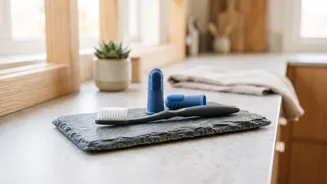
The best way to fight periodontal disease is to prevent it from starting. Daily toothbrushing with a pet-safe toothpaste is the gold standard for removing plaque before it hardens into tartar. If brushing isn't possible every day, aim for several times a week. You can supplement brushing with other tools approved by veterinary experts, such as dental chews, water additives, or special dental diets. These products can help reduce plaque and tartar accumulation, but they work best as part of a comprehensive home care routine, not as a replacement for brushing.
The Necessity of Professional Cleanings
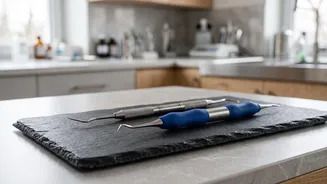
Once tartar has formed, it can only be removed with a professional veterinary dental cleaning. This procedure is performed under general anaesthesia, which is essential for your pet's safety and comfort. It allows the veterinary team to conduct a thorough oral exam, probe each tooth for pockets, and take dental X-rays to see the damage hidden below the gumline. Using ultrasonic scalers, they remove all tartar from above and below the gumline, and then polish the teeth to create a smooth surface that slows future plaque buildup. Regular professional cleanings are crucial for halting the progression of disease and maintaining your pet's oral and overall health.