






Know Your Enemy: Mosquitoes and the Monsoon
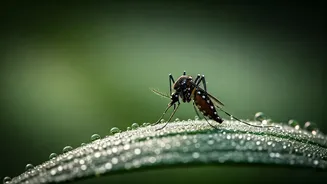
The monsoon season in India creates the perfect environment for mosquitoes to thrive. The combination of high humidity and abundant stagnant water in puddles, blocked drains, and discarded containers leads to a population boom. This isn't just an annoyance;
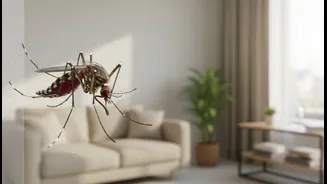
it's a significant health concern. Mosquitoes are vectors for serious diseases like dengue, malaria, and chikungunya, with cases often spiking during and after the rains. Dengue, transmitted by the Aedes aegypti mosquito, is a major concern in urban areas and can cause severe flu-like symptoms. Malaria, spread by the Anopheles mosquito, also sees a surge, particularly as these insects breed rapidly in stagnant water. Understanding that the water-logged world outside is the source of your indoor problem is the first step to taking back control.
Fortify Your Home Without Losing Your Deposit
As a renter, you can't make permanent changes, but you can create powerful, temporary barriers. The most effective first line of defence is preventing mosquitoes from entering your home. Many rental properties lack adequate window screens. Thankfully, renter-friendly options abound. Self-adhesive mesh screens can be cut to size and attached to window frames, providing excellent protection without drilling. For a less permanent solution, adjustable window screens can be simply placed into the window frame and held in place by the window itself. Magnetic window screens are another innovative, damage-free solution that uses adhesive magnetic strips to create a seal. Don't forget the doors. Use weather stripping or door seals to cover gaps at the bottom of your main door, a common entry point for these pests.
The Indoor Battle: Repellents and Traps
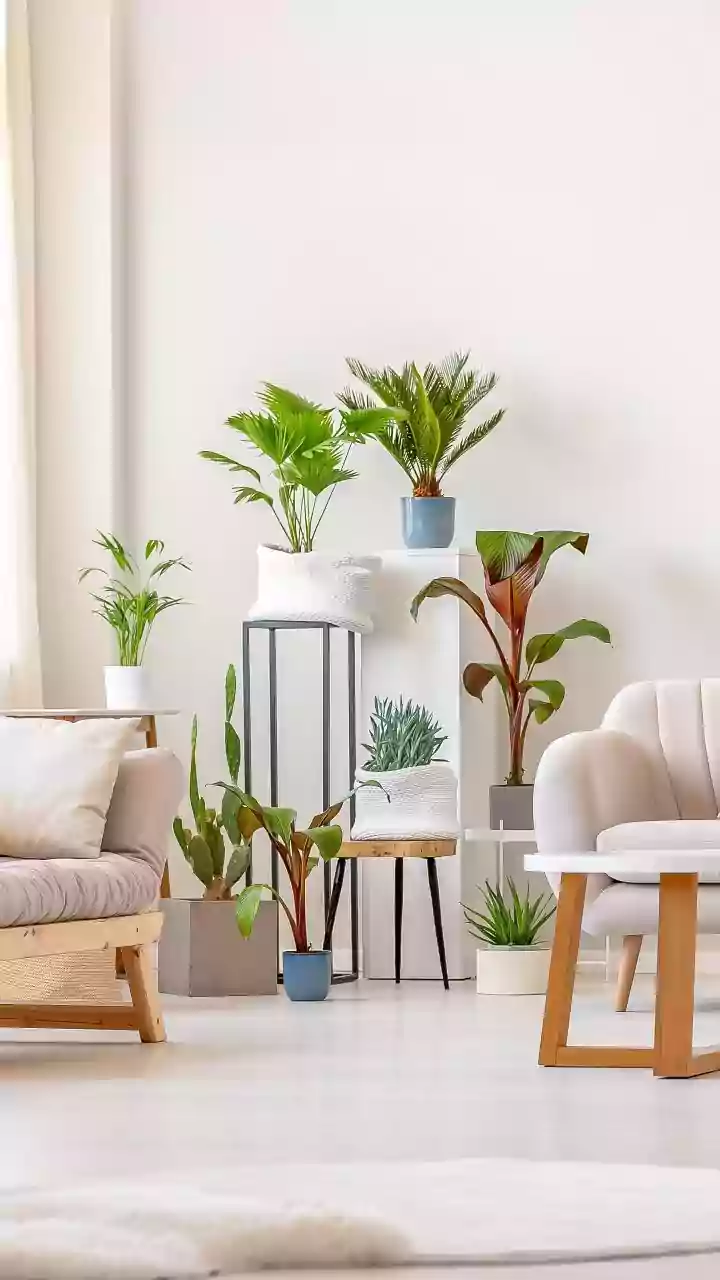
Once your defences are up, it's time to deal with any mosquitoes that manage to sneak past. While chemical repellents like sprays and vaporizers are popular, many people prefer natural alternatives. Plants like marigold, mint, tulsi, and lemongrass can be kept indoors and act as natural repellents. Essential oils such as citronella, neem, lavender, and eucalyptus are also effective. These can be used in diffusers to spread their scent throughout a room. A few drops of lavender oil can be calming for you but unpleasant for mosquitoes. For a simple DIY trick, place a sliced lemon studded with cloves on a plate; mosquitoes dislike the combined smell. Another simple trap involves placing a wide dish of soapy water in a room; mosquitoes attracted to the water will get trapped in the soap bubbles and perish.
Eliminate Breeding Grounds Under Your Control
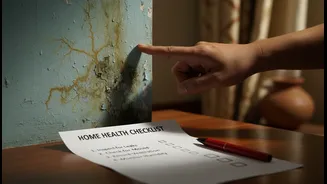
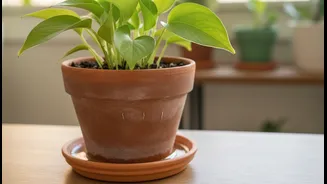
Mosquitoes can breed in a surprisingly small amount of stagnant water—as little as a bottle cap's worth. Even in an apartment, you have control over potential breeding sites. Conduct a weekly audit of your living space, including balconies and utility areas. Empty the trays under your potted plants, or fill them with sand. Don't let water collect in AC drip trays, unused buckets, or old tyres. Change the water in pet bowls and decorative vases frequently. Ensuring there is no standing water inside and in your immediate vicinity is a crucial step in breaking the mosquito life cycle and reducing their numbers significantly. It's one of the most powerful preventative measures you can take.
Beyond Your Four Walls: Community and Personal Care
Often, the source of a mosquito problem lies in common areas like clogged society drains or unattended water collections. If you notice such issues, bring them to the attention of your building management or landlord. A collective effort is always more effective. For personal protection, especially during peak mosquito hours at dawn and dusk, wear long-sleeved shirts and long trousers to reduce exposed skin. Using a mosquito repellent on exposed skin when you step out is also advisable. At night, sleeping under a mosquito net provides an effective physical barrier, ensuring an undisturbed and bite-free sleep, particularly for children.