



The New Golden Rule: Furniture Is Storage
The core principle of modern small-space design is integration. Gone are the days of buying a sofa, a coffee table, and then trying to find a place to hide your clutter. Today, the smartest solutions involve furniture that is inherently designed to store
things. This isn't just about a few extra drawers; it's a complete shift in mindset. Interior designers now prioritize pieces that serve multiple purposes, effectively reducing the number of items needed in a room. The 2026 aesthetic, in particular, leans towards clean, uncluttered surfaces, which makes hidden storage more valuable than ever. Instead of seeing storage as an afterthought, the new approach is to view every piece of furniture as a potential storage opportunity, from the bed frame to the sofa.
Key Pieces That Do Double Duty
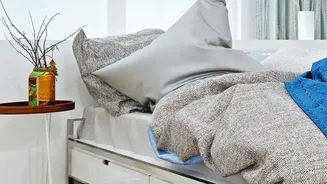
Multifunctional furniture is the hero of any compact home. A lift-top coffee table can transform into a workspace or dining surface while hiding magazines and remotes. Beds with built-in drawers or gas-lift mechanisms provide enormous storage for off-season clothing and bedding without taking up more floor space. In the living room, modular sofas offer flexibility in arrangement and often come with options for built-in storage compartments or chaises that lift up. Even smaller items like ottomans can serve as extra seating, a footrest, and a discreet home for blankets or toys. The goal is to choose pieces that solve real, everyday problems, allowing one item to do the job of two or three.
Think Vertically and Visually
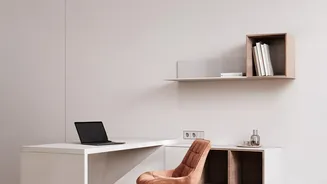
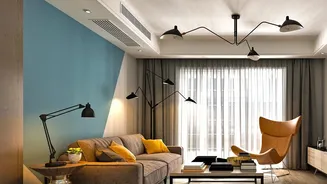
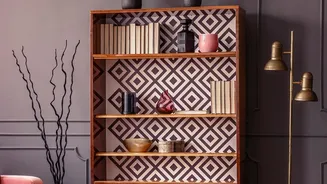
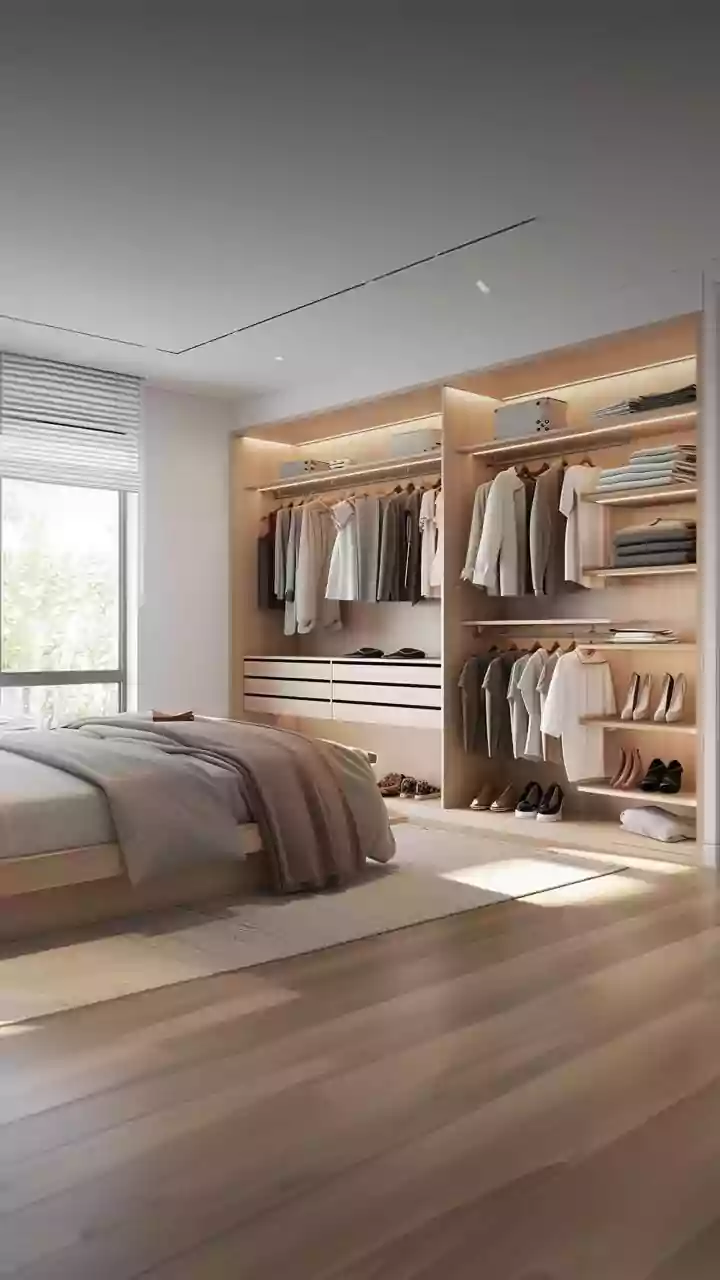
When floor space is limited, the only way to go is up. Utilizing vertical space is a key strategy for maximizing storage without making a room feel cramped. Tall, slender bookcases or wall-mounted shelving units draw the eye upward and can hold books, decor, and essentials. However, be mindful of visual clutter. Experts suggest an 80/20 rule for open shelves: keep at least 20% of the surface empty to make the display feel intentional and airy. Another trick is to use furniture that creates an illusion of space. Pieces with visible legs, like a sofa that is raised off the ground, allow you to see the floor underneath, making the room feel larger and more open. Similarly, low-profile furniture helps clear the visual field, reinforcing a serene and orderly aesthetic.
Hidden Is the New Tidy
While open shelving has its place for curated displays, the current trend strongly favors concealed storage for a calmer, cleaner look. Clutter is a major challenge in small homes, and having a designated, hidden spot for everything is crucial. This is where pieces with solid doors, fluted glass, or clever compartments shine. A stylish sideboard can work in a dining area, living room, or hallway, hiding everything from tableware to cables. Designers are also getting creative with bespoke solutions, like double-sided bed frames that act as a headboard on one side and a storage unit on the other. The emphasis is on making your belongings accessible but not always visible, which supports the demands of everyday life without sacrificing style.
Choose Quality and Adaptability
Furnishing a small space requires intentionality. Instead of accumulating pieces, the focus is on investing in high-quality, adaptable furniture. Choose items that can potentially move to a different room or serve a new function in a few years. Modular systems are particularly useful here, as they can be reconfigured as your needs change. Materials and colour also play a significant role. Light-coloured woods, soft neutral tones, and mirrors can make a space feel brighter and more expansive. Ultimately, the most successful small-space designs are not just about clever tricks; they are about creating a harmonious and functional environment that feels both personal and peaceful.