


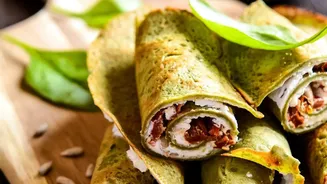
The Ancient Supergrain in Your Kitchen
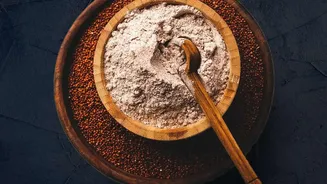
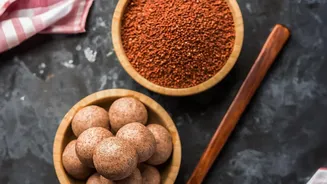
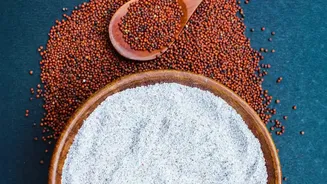
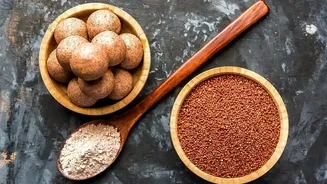
Ragi, also known as finger millet, is a tiny, reddish-brown grain that has been a staple in Indian kitchens for thousands of years. Once considered humble fare, ragi is now celebrated as a modern superfood, and for good reason. It is naturally gluten-free,
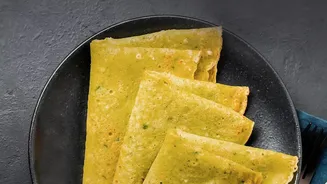
making it an excellent choice for those with dietary sensitivities. Its earthy, nutty flavour provides a wonderful base for a variety of dishes, but it truly shines in the form of a savoury crepe, or dosa, offering a fantastic alternative to breakfasts made from refined flours.
A True Nutritional Powerhouse
When we say ragi is nutrient-dense, we mean it. It stands out among cereals for having the highest calcium content, boasting approximately 344mg per 100g—nearly three times more than milk. This makes it exceptional for supporting bone health. But that's not all. Ragi is also rich in dietary fibre, which aids digestion and promotes a feeling of fullness, helping to manage weight. It provides a good amount of iron, crucial for preventing anaemia, and has a lower glycaemic index compared to white rice or wheat, which helps in managing blood sugar levels.
Crafting the Perfect Savoury Batter
Making delicious ragi crepes starts with the right batter. While there are many variations, a simple and quick method involves using ragi flour. For an instant version, combine one cup of ragi flour with half a cup of rice flour and half a cup of fine semolina (rava). To this dry mix, add one cup of curd and enough water to form a smooth, lump-free batter with a consistency similar to that of a classic rava dosa—thin and pourable. For a savoury kick, now is the time to get creative. Mix in finely chopped onions, green chillies, grated ginger, cumin seeds, and fresh coriander leaves directly into the batter. Let the batter rest for at least 15-20 minutes to allow the flours and semolina to hydrate properly.
From Batter to Golden-Brown Crepe
Cooking these crepes is an art that’s easy to master. Heat a non-stick tawa or flat griddle on medium-high heat. Once hot, lightly grease it with oil. Stir your batter well before making each crepe, as the flour tends to settle at the bottom. Pour a ladleful of the batter onto the hot tawa, starting from the edges and moving towards the centre to create a lacy, thin crepe. You don't need to spread it like a traditional dosa; the runny batter will spread itself. Drizzle a little oil or ghee around the edges and on top. Let it cook for about 2-3 minutes, or until the bottom is golden-brown and crisp. These crepes are often so thin they only need to be cooked on one side.
Making It a Morning Habit
The idea of making fresh crepes every morning might seem daunting, but it’s entirely possible with a little prep. While the instant batter is quick, you can also prepare a larger batch of fermented batter. A fermented batter, made by soaking whole ragi and urad dal, grinding them, and allowing the mixture to ferment for 8-10 hours, can be stored in the refrigerator for up to a week. This means you can do the work once and have fresh, healthy dosas ready to go all week long. Just take out the required amount of batter each morning, add your savoury flavourings if you wish, and cook. This makes a nutritious breakfast as convenient as it is delicious.