



Why 'Bharat Darshan' is Back in Style
The trend towards domestic holidays is booming. Recent studies confirm that a significant majority of Indian travellers now prefer exploring their own country. A 2026 global travel index even noted India as the top market for domestic travel intent, with
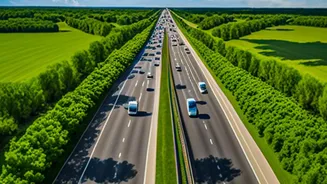
60% of travellers planning to holiday within the country, far outpacing the global average of 42%. Key factors include rising international airfares and a weaker rupee, making foreign trips more expensive. However, the story isn't just about economics. The convenience of zero visa hassles, shorter travel times, and cultural familiarity makes domestic trips highly appealing. Furthermore, vastly improved infrastructure, including new highways and expressways, has made road trips—or 'drivecations'—a popular and practical choice for many.
A Search for Deeper Connection
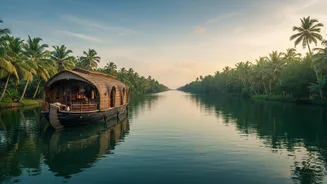
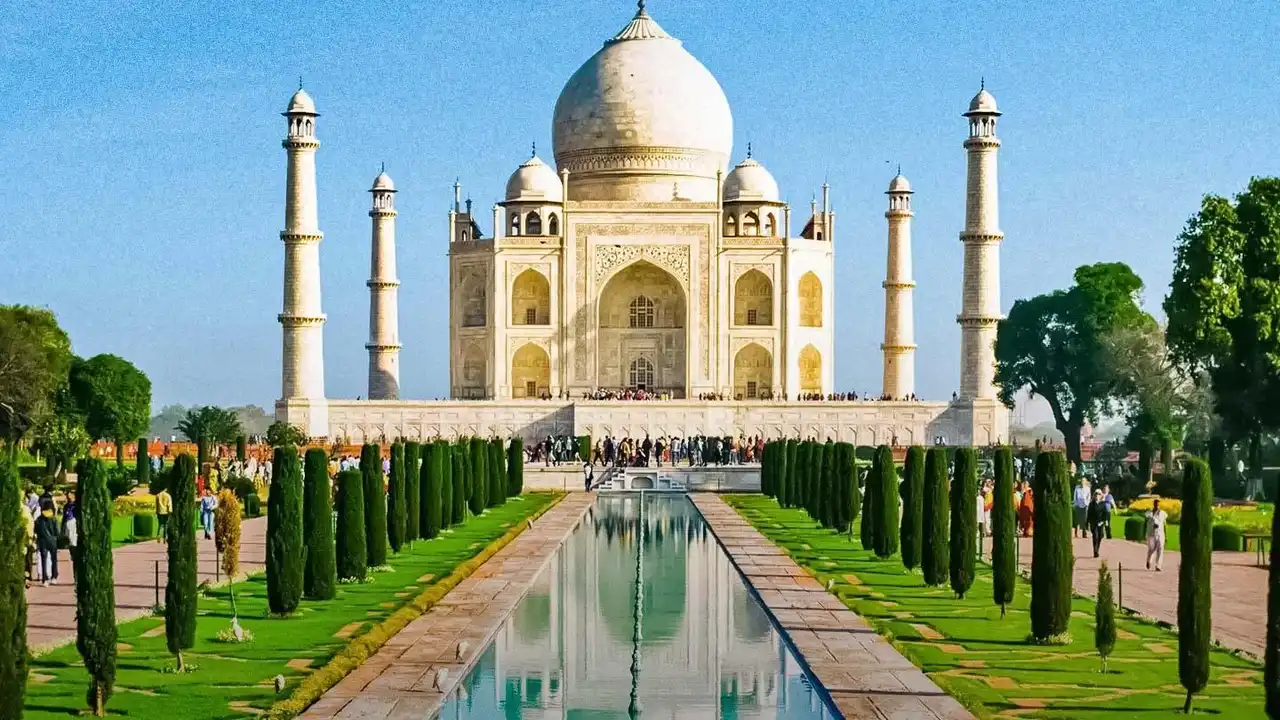
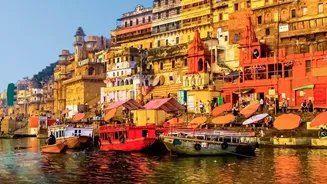
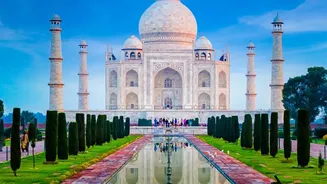
Beyond convenience, there is a clear cultural shift at play. A recent report revealed that 84% of Indian travellers are increasingly interested in culture-led travel within the country, prioritising heritage, festivals, and food. This has fueled a surge in spiritual and wellness tourism, with destinations like Varanasi, Rishikesh, and various wellness retreats in Kerala gaining immense popularity. After the global pause, many travellers are seeking more than just a getaway; they desire transformation, reflection, and a connection with nature and self. This has led to the rise of experience-driven holidays, from attending the Durga Puja in Kolkata to exploring the historical sites of Rajasthan.
The Classic Choice: Mountains vs. Beaches
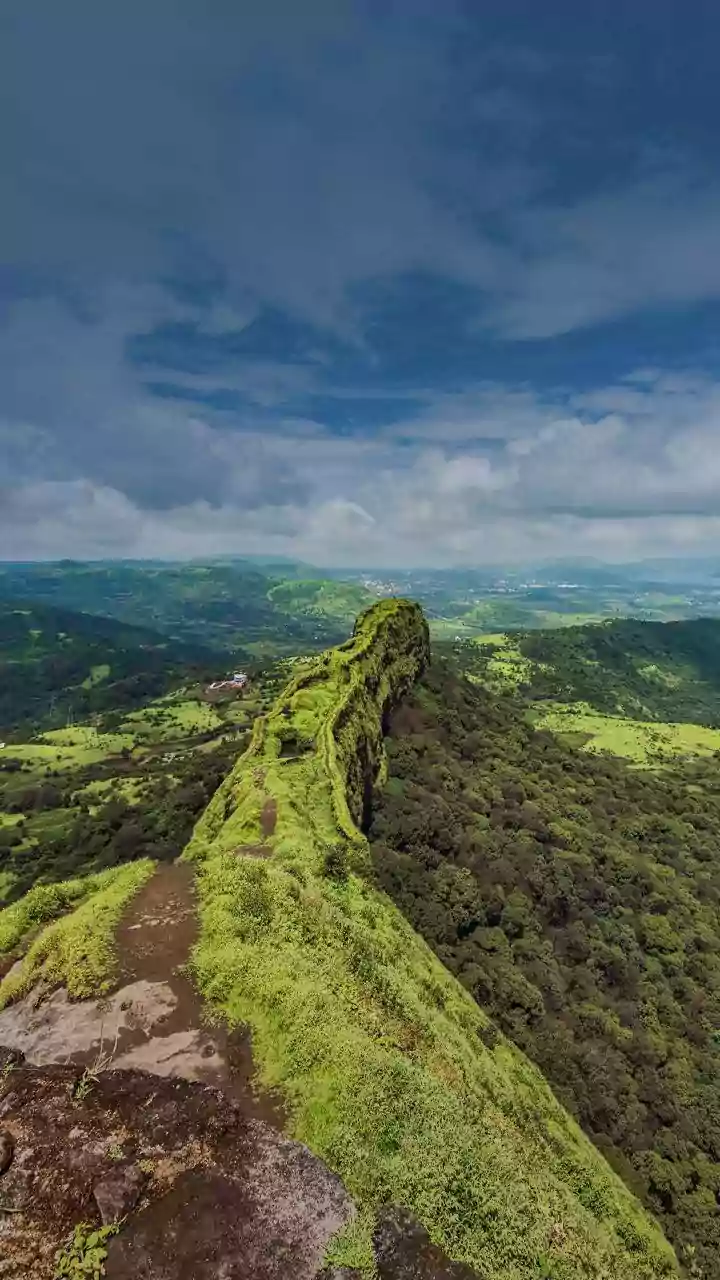
The age-old debate for any holiday planner often boils down to a simple choice: mountains or beaches? Both offer distinct experiences. The mountains, such as in Himachal Pradesh, Uttarakhand, or the serene hills of Munnar, promise a cool escape, misty mornings, and adventure activities like trekking and paragliding. They appeal to those seeking tranquility, physical activity, and a break from the heat. On the other hand, coastal destinations like Goa, Varkala, and the Andamans offer sun, sand, and vibrant social energy. With fresh seafood, water sports, and a laid-back vibe, beaches are perfect for travellers looking for relaxation mixed with lively fun. While accessibility can sometimes be easier for beach towns, mountains often provide more budget-friendly homestay options.
Soulful Journeys vs. Adrenaline Trails
The new Indian traveller is also torn between inner peace and high-octane adventure. Spiritual tourism now accounts for a massive portion of domestic travel, with travellers flocking to ancient pilgrimage sites not just for religious reasons, but for self-discovery and mental clarity. These journeys are about reflection and exploring India's deep-rooted traditions. In contrast, adventure tourism is booming in places like Ladakh, Rishikesh, and the Northeast. These destinations cater to thrill-seekers with options for river rafting, mountain biking, and challenging treks. The choice here is less about the place and more about the purpose: is the holiday for introspection and calm, or for pushing physical limits and seeking an adrenaline rush?
The City Break or the Quiet Escape
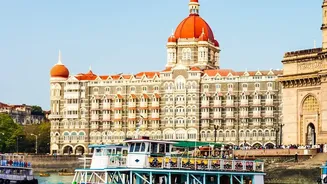
Not every holiday needs to be a week-long affair in a remote location. The 'micro-break,' a short getaway of 3-5 days, is increasingly popular. This has given rise to the curated city break, exploring the culinary and cultural landscapes of places like Jaipur, Mumbai, or Kolkata. These trips are packed with experiences, from food walks to museum hopping. At the opposite end of the spectrum is the rural retreat. The rise of remote work has also popularised 'workations', where professionals blend work with leisure in scenic, quiet locations like the coffee estates of Coorg or homestays in less-travelled parts of the Himalayas. This allows for a deeper, slower immersion into a place, far from the tourist crowds.