







Get the Official Updates
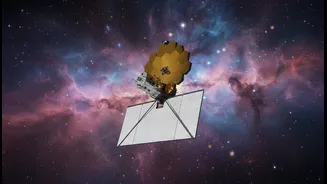
The best way to follow the flyby is to go straight to the source: the Japan Aerospace Exploration Agency (JAXA). JAXA manages the Hayabusa2 mission and provides the most reliable updates. Check the official Hayabusa2 project website for news releases,
status updates, and galleries of images as they are released. The agency also maintains social media channels, including a dedicated X (formerly Twitter) account for the mission, where they post real-time information, key milestones, and links to press briefings. Following these official sources ensures you get accurate information directly from the mission operators.
Join the Global Conversation
A celestial event like this brings together space enthusiasts from around the globe. You can join the excitement by following and using relevant hashtags on social media. Look for tags like #Hayabusa2, #Torifune, or #2001CC21 to see what others are saying. Online communities, such as the r/space subreddit, are fantastic places for detailed discussions, with members often sharing links to newly released images, scientific papers, and expert analysis. Engaging in these forums is a great way to ask questions, share your excitement, and learn from a community of passionate followers.
Watch for Live Coverage and Explainers
For major mission events, space agencies and science communicators often produce live webcasts or detailed video explainers. Keep an eye on JAXA's official YouTube channel, as well as those of other major space agencies like NASA and ESA, which often cover significant international missions. Science journalists and popular space-focused channels will also be breaking down the events of the flyby, explaining the scientific goals and what the new data might reveal. These broadcasts can provide expert commentary that puts the raw data and images into a broader scientific context, making the event even more meaningful.
Dive Deep into the Science
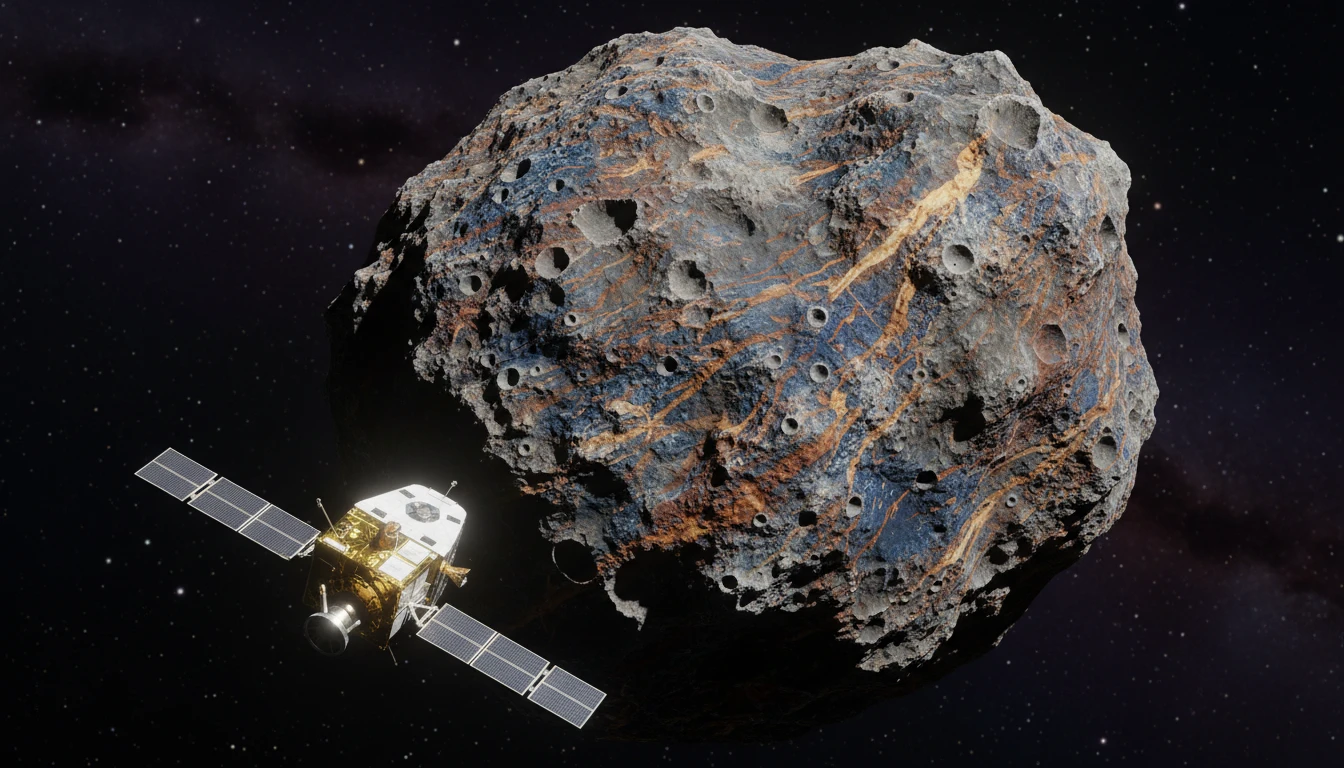
For students and serious planetary-science followers, the flyby is an opportunity to go beyond the headlines. Ahead of the encounter, you can read up on the mission's extended goals, known as Hayabusa2♯ (Sharp). This phase of the mission is designed to test technologies relevant to planetary defense and observe a different type of asteroid (S-type) than Ryugu (C-type). You can find scientific papers on sites like arXiv and in journals that detail what we already know about Torifune, including its size, rotation, and composition. Understanding the science beforehand will enrich your experience as the new findings are announced.
Participate in Citizen Science
While there may not be a project tied directly to the Hayabusa2 flyby data, you can channel your enthusiasm into active asteroid research. Projects like "Active Asteroids" on the Zooniverse platform allow volunteers to help scientists find asteroids with comet-like tails by searching through telescope images. Participating in these projects contributes to real scientific discovery and helps researchers understand the distribution of water in our solar system. Other projects, like the International Astronomical Search Collaboration (IASC), let you search for new asteroids in fresh telescope data. It’s a rewarding way to be part of the larger endeavor of exploring our cosmic neighborhood.
Create a Learning Moment
Educators, parents, and students can use the Torifune flyby as a real-world teaching opportunity. NASA and other organizations offer extensive free resources for learning about asteroids, comets, and space missions. Activities can range from making your own model asteroid to online interactives like NASA's "Eyes on Asteroids," which lets you visualize the orbits and positions of near-Earth objects. Discussing the goals of the Hayabusa2 mission—understanding the origins of our solar system and protecting Earth from potential impacts—can inspire the next generation of scientists and engineers.