







1. Master Your Menu and List
The single most effective way to control costs is to plan well in advance. Start by creating a detailed menu about two weeks before the festival. Once you know what you’re cooking, list every single ingredient and the quantity needed. Check your pantry
and cupboards first for what you already have before making your shopping list. This simple habit prevents impulse buys, which are a major source of overspending. A well-made list is your best defence against buying items you won't end up using.
2. Shop Smart: Wholesale and Seasonal
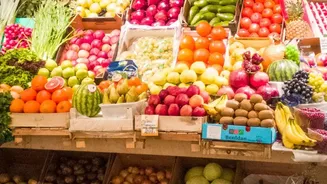
Where you shop matters. While online apps offer convenience, wholesale markets or mandis are often cheaper for bulk staples like rice, flour, lentils, and sugar. For fresh produce, always opt for seasonal fruits and vegetables, which are not only fresher and tastier but also significantly more affordable. A smart strategy is to compare prices for your specific list across a local kirana, a supermarket, and a wholesale supplier to see where the best value lies for your complete basket of goods.
3. Make Smart Ingredient Swaps
Many traditional recipes call for expensive ingredients like saffron, pine nuts, or specific imported goods. Often, you can make clever substitutions without compromising the essence of the dish. For example, a pinch of turmeric with a little sweet paprika can mimic saffron's rich colour in many dishes. Marigold petals can also offer a golden hue and subtle flavour. Similarly, toasted pumpkin or sunflower seeds can replace costly pine nuts. Being flexible with your ingredients is a creative way to manage your budget.
4. Embrace Batch Cooking and Prep
Save both time and money by prepping key components of your festive meals in advance. Base gravies for curries, chutneys, and dough for puris or rotis can be made ahead and stored. This allows you to buy ingredients like tomatoes or onions in bulk when prices are favourable and process them at once. It also reduces last-minute stress, allowing you to focus on the final stages of cooking and enjoying the festivities with your family rather than spending the entire day in the kitchen.
5. Reduce Waste, Reduce Cost
Food waste is a hidden cost that can inflate your budget significantly. Indian households waste a substantial amount of food annually, and this often peaks during festivals. To combat this, practice portion control. Use smaller serving spoons and dishes to encourage guests to take what they can finish. Plan to creatively use leftovers; extra rice can become fried rice the next day, and leftover vegetables can be turned into paratha stuffings. Embracing a 'root-to-stem' cooking philosophy, where you use parts of vegetables you might normally discard, can also stretch your ingredients further.
6. Host a Potluck
Festivals are about community, so why not share the load? Hosting a potluck is a wonderful way to offer a lavish spread without one person bearing the entire cost and effort. Assign categories like snacks, main courses, and desserts to different family members or friends. This not only reduces your financial burden but also brings a delightful variety to the table and strengthens community bonds. It turns the feast into a collaborative celebration, which is the true spirit of any Indian festival.