







From Gadgets to Atmosphere
For years, the promise of a ‘smart home’ felt more like a tech enthusiast's hobby than a practical upgrade for the average family. It involved a messy collection of standalone devices, multiple apps, and a design language that screamed 'gadget' rather
than 'home'. Think visible wires, bulky plastic hubs, and devices that looked completely out of place next to your carefully chosen decor. That era is officially drawing to a close. The new philosophy of smart living isn't about showcasing technology; it's about making it disappear. The focus has shifted from discrete products to creating a holistic, intelligent atmosphere. This is the move from a house full of smart things to a home that is truly smart—intuitive, responsive, and seamlessly integrated into the fabric of your life.
The Marriage of Tech and Taste
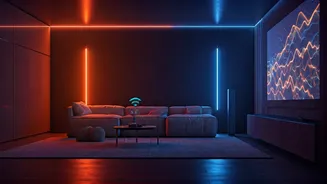
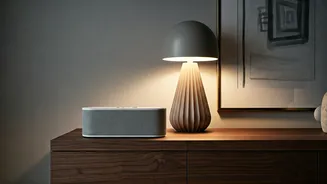
So, what's driving this change? It’s a combination of market maturity and evolving consumer expectations. We’ve moved past the novelty phase. Today, we don't just want our technology to be functional; we demand that it be beautiful. Companies have finally realised that a smart device is also a piece of furniture. Look at the latest generation of smart speakers, like the Google Nest Audio or Amazon Echo, which are wrapped in fabric and designed to blend into a bookshelf. Consider smart TVs like Samsung's 'The Frame', which displays high-resolution art when not in use, effectively vanishing as a black screen. Lighting has also seen a major shift. Instead of just smart bulbs, we now have architectural smart lighting systems that can be built into ceilings and walls, offering dynamic, mood-setting illumination that enhances the design of a room rather than detracting from it.
Good Design Is Intuitive Design
This design-led approach is more than just about making things look pretty. Good design simplifies interaction and makes technology more human-centric. When technology is well-integrated and aesthetically pleasing, it feels less like an intrusion and more like a natural extension of our environment. This principle is often called 'calm technology'—tech that works in the background, serving its purpose without constantly demanding our attention with beeps, notifications, and glowing lights. A minimalist smart thermostat that you can set and forget is a better experience than one with a complex, distracting screen. A motion sensor that discreetly turns on soft floor-level lights for a midnight trip to the kitchen is more elegant than fumbling for a switch. By reducing visual and cognitive clutter, design-led smart technology makes our homes more peaceful and our lives genuinely easier.
The Indian Home Context
This trend is particularly relevant in modern India, where aspirations for a global lifestyle meet the unique realities of urban living. In the premium apartments of Mumbai, Bengaluru, and Gurugram, interior designers and architects are increasingly incorporating smart home features from the blueprint stage. It's no longer an afterthought. Homebuyers, especially younger, tech-savvy professionals, are looking for integrated solutions for security, climate control, and entertainment that don't compromise on style. They want the convenience of voice-controlled blinds and app-managed appliances, but they also want their homes to be a reflection of their personal taste—a sanctuary from the chaos of city life. This has created a burgeoning market for companies that can provide elegant, reliable, and holistic smart home ecosystems tailored for the Indian home.
What's Next: Proactive and Personal
The evolution doesn't stop here. The next frontier for design-led smart living is a move from reactive to proactive intelligence. Right now, most smart homes react to our commands or pre-set schedules. In the near future, our homes will learn from our habits and begin to anticipate our needs. Imagine your home knowing you've had a stressful day based on your calendar and your biometrics from your smartwatch, and automatically dimming the lights, playing calming music, and adjusting the temperature to a more relaxing level when you walk in. The technology will become so deeply woven into the design and function of the home that it will be entirely invisible, working proactively to enhance our well-being. The ultimate goal is technology that serves us so seamlessly that we forget it's even there.