








The New Comfort in a Bowl
When you think of comfort food in India, your mind probably jumps to khichdi, rajma chawal, or maybe a warm bowl of rasam. But look inside the kitchens of urban India today, and you’ll find a different kind of warmth brewing. We’re talking about the ‘cozy
soup’—a category of thick, velvety, and deeply satisfying soups that feel more at home in a chic cafe but are now being perfected on domestic stovetops. This isn’t just one specific recipe, but a whole genre: think roasted tomato and basil, creamy mushroom, spiced butternut squash, or broccoli and cheddar. These aren't the thin, clear broths or lentil-based preparations we grew up with; they are hearty, one-bowl meals, often served with a slice of crusty garlic bread or fancy croutons. They represent a new definition of comfort—global in its origins, but increasingly local in its heart.
Why Now? The Urban Shift
So, what’s driving this soupy revolution? It’s a blend of several modern Indian realities. Firstly, there’s a growing health consciousness. These soups are a fantastic way to pack in vegetables, often using less oil and spice than traditional curries. They feel light yet filling, ticking the box for a nutritious meal. Secondly, convenience is king. For busy professionals and young families, the appeal of a one-pot meal that can be prepared in under 30 minutes is immense. It’s an easy dinner, a quick lunch, and a guaranteed way to get children to eat their vegetables without a fuss. Finally, there’s the undeniable influence of global exposure. Thanks to international travel, a booming cafe culture, and endless scrolling through food-focused social media, Indians are more familiar than ever with global cuisines. We’ve tasted these delicious soups outside and are now confidently bringing them into our own homes.
Not Your Grandmother's Shorba
To be clear, India has always had its own tradition of soups. From the fiery rasam of the South to the delicate shorbas of Mughlai cuisine, we are no strangers to flavourful liquids. But the ‘cozy soup’ trend is distinct. The primary difference lies in texture and technique. Traditional Indian soups are typically broth-based, using lentils, tamarind, or yoghurt for body, and are seasoned with whole or ground spices. The new wave of soups, however, relies on blending cooked vegetables to achieve a thick, creamy consistency. The creaminess often comes from the vegetables themselves, a splash of milk or cream, or even nuts like cashews. The flavour profiles are also different, often celebrating the singular taste of a primary ingredient—the sweetness of roasted pumpkin or the earthiness of mushrooms—accented with herbs like basil, oregano, and thyme.
The Ultimate Classic: Roasted Tomato
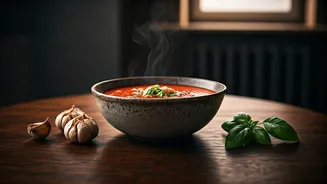
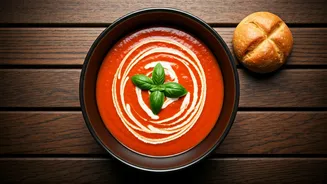
If there’s one gateway soup that has hooked everyone, it’s the roasted tomato soup. It’s a world away from the canned versions or the sweet-and-sour restaurant-style soup. This modern classic involves roasting tomatoes, onions, and garlic with a drizzle of olive oil until they are soft and slightly charred. This simple step deepens the flavour, bringing out a smoky sweetness that is impossible to achieve on the stovetop alone. Once roasted, the vegetables are blended into a velvety puree, often finished with a touch of fresh cream and fragrant basil. Served with a crispy grilled cheese sandwich for dipping, it’s a meal that evokes pure nostalgia, even if it’s a relatively new addition to our culinary dictionary. It’s simple, elegant, and universally loved.
Making It Your Own: The Desi Twist
The most beautiful part of this trend is how seamlessly it’s being adapted to the Indian palate. While the core recipe might be Western, the finishing touches are often delightfully desi. People are adding a pinch of kasuri methi to their tomato soup for a familiar fragrance or a tadka of garlic and cumin to a lentil and vegetable soup. A bit of ginger can add a pleasant heat to a carrot soup, while a sprinkle of garam masala can give a mushroom soup an unexpected depth. These adaptations make the soups feel less foreign and more like our own. It’s not about replacing dal or sambar, but about expanding our definition of what a comforting bowl of food can be.