



What Exactly Is Slow Travel?
Slow travel is a mindset before it's an itinerary. It’s the travel equivalent of the slow food movement, which began as a protest against the opening of a McDonald's in Rome. At its core, slow travel champions connection over consumption. Instead of rushing
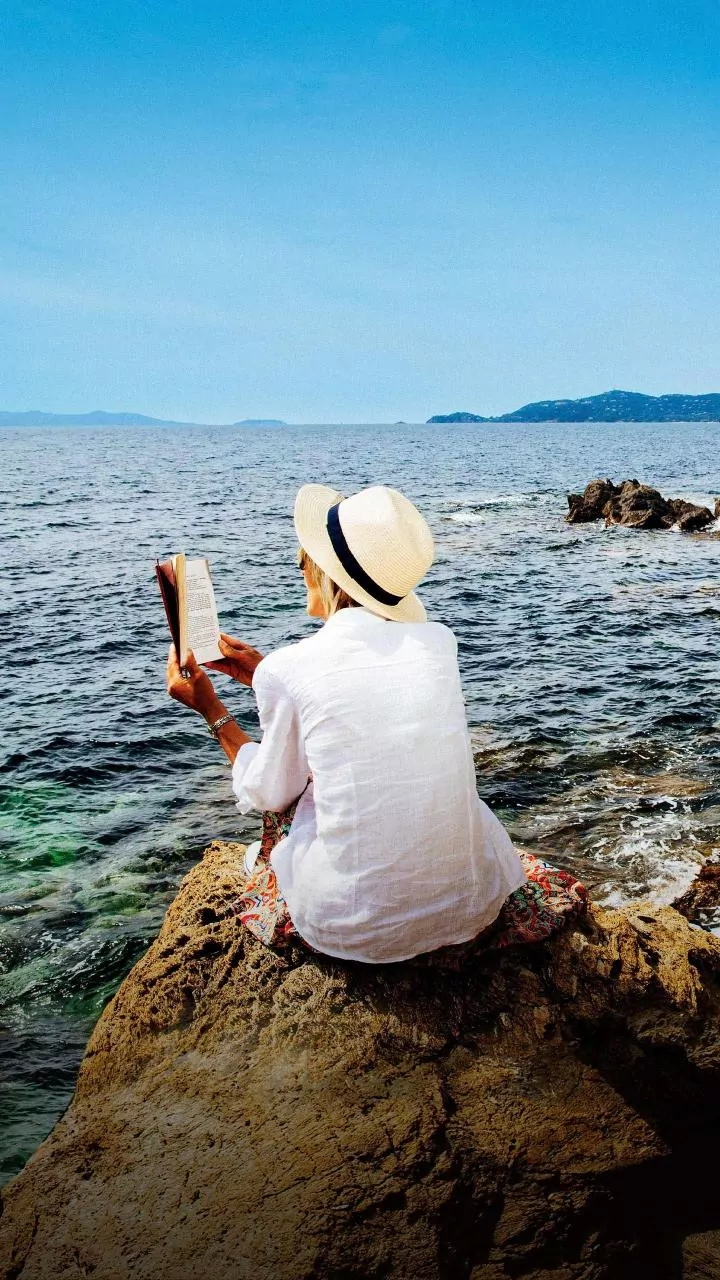
through a dozen cities in ten days, ticking off landmarks from a list, a slow traveller might spend the entire ten days in one small town or a single neighbourhood of a large city. The goal is to experience a place with depth, not breadth. This means shopping at local markets, taking a cooking class, learning a few words of the language, using public transport, and simply allowing for unstructured time to wander and observe. It’s about being a temporary local, not a tourist.
Why the Sudden Surge?
While the concept has been around for decades, several factors have pushed slow travel into the mainstream. The global pause during the pandemic forced many to reconsider their priorities, leading to a desire for more meaningful experiences and a rejection of pre-pandemic burnout culture. The rise of remote and flexible work has untethered millions from the office, making longer stays not just possible, but practical. A family can now decamp to another city for a month, with parents working while children experience a different culture. Furthermore, a growing awareness of 'over-tourism' — the phenomenon of popular destinations being damaged by their own popularity — has travellers seeking less crowded, more sustainable alternatives. They are increasingly conscious of their environmental and social footprint, wanting their money to support local communities directly rather than multinational corporations.
From Tourist to Temporary Resident
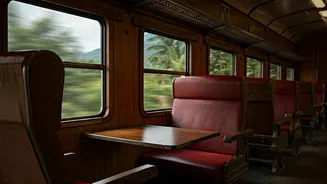
The difference between a regular holiday and a slow travel journey is the shift in perspective. A tourist asks, “What can this place do for me?” A slow traveller asks, “How can I connect with this place?” This might mean renting an apartment instead of staying in a hotel chain, giving you a kitchen to cook fresh produce from the corner store. It could involve taking a train journey across a country instead of a short flight, allowing you to watch the landscape change and interact with fellow passengers. It’s about valuing the journey as much as the destination. This approach fosters a deeper sense of understanding and empathy, turning a simple vacation into a rich, educational experience. You leave not just with photos, but with memories of conversations, flavours, and the rhythm of daily life.
How to Embrace the Slow Lane
Adopting a slow travel mindset doesn’t require you to quit your job and roam the world for a year. It's scalable to any trip, even a weekend getaway. Start by resisting the urge to over-plan. Instead of booking every minute, leave large chunks of your day free for spontaneous discovery. Choose one or two main priorities and let the rest of your time unfold organically. Try staying in one place for longer; instead of splitting a week between two cities, dedicate the full week to one. Challenge yourself to get around like a local, whether it's by navigating the Mumbai local trains or renting a bicycle in Amsterdam. The key is to trade the fear of missing out (FOMO) for the joy of missing out (JOMO) — the quiet confidence that comes from truly savouring the experience you’re in, rather than worrying about the one you’re not.