



Choose Your Destination Wisely
September in India is a 'shoulder season' month, marking the transition from peak monsoon to the drier post-monsoon period. This means the weather can be a mixed bag. While some regions offer lush green landscapes and fewer tourists, others still face
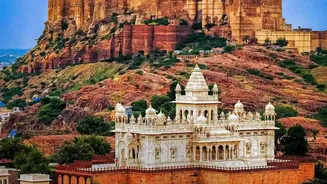
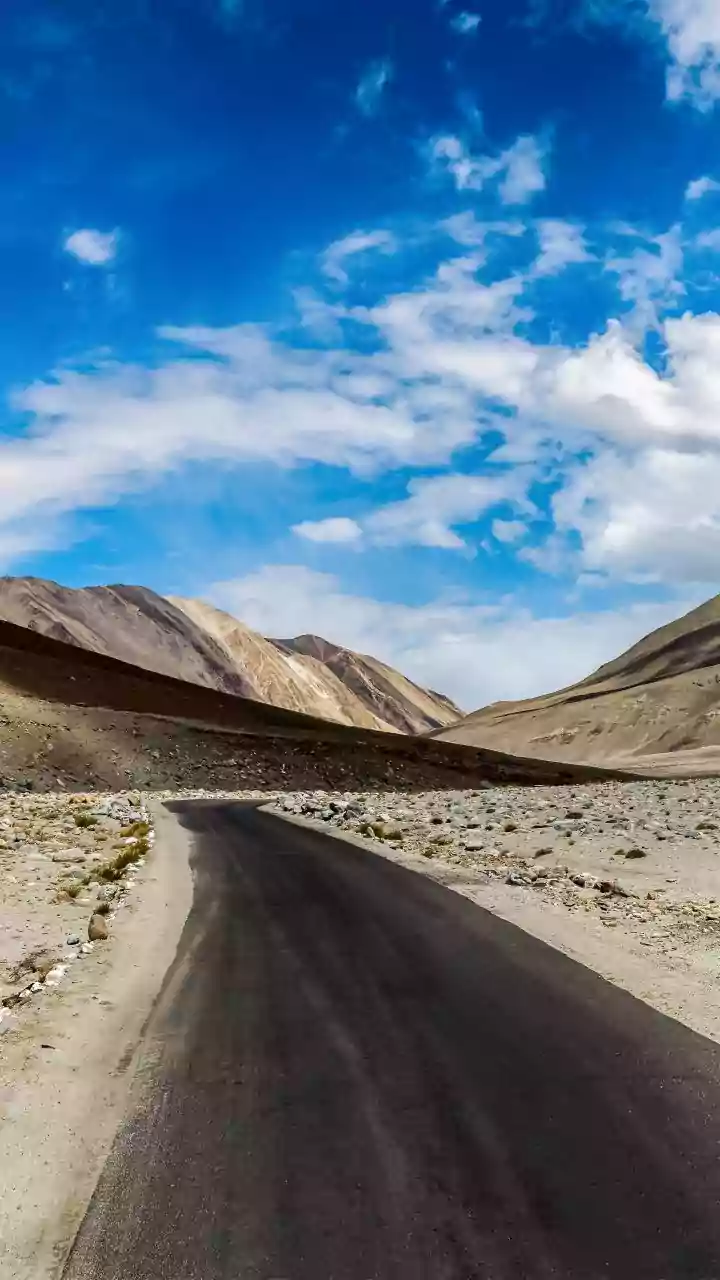
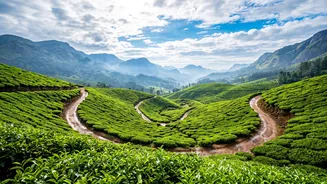
significant rain-related risks. It's generally wise to avoid regions prone to heavy rainfall, landslides, and flooding, such as certain Himalayan hill stations and the coasts of Goa and Kerala, which can still experience heavy showers. Instead, consider destinations where the monsoon is receding. Parts of Rajasthan, like Udaipur and Jaipur, can be pleasant as the Aravallis are green and the lakes are full. The Golden Triangle (Delhi, Agra, Jaipur) also becomes more accessible with good visibility and quieter attractions. For those seeking dry conditions, high-altitude regions like Ladakh, which lie in a rain-shadow area, are an excellent choice, though it gets colder as the month progresses.
Pack Smart, Not Heavy
Monsoon packing is less about quantity and more about the right material. Swap cotton and denim, which absorb water and dry slowly, for lightweight, quick-drying synthetic fabrics. A reliable lightweight rain jacket or poncho is more practical than an umbrella, which can be useless against windy gusts. Footwear is critical; choose waterproof sandals or shoes with a strong grip to navigate slippery surfaces and avoid leather, which will get ruined. To protect your valuables, use waterproof bags, dry sacks, or even simple ziplock bags for electronics, documents, and wallets. Also, consider packing an anti-fungal powder and mosquito repellent, as humidity can cause skin issues and the mosquito population surges during this season.
Master Your Transport Choices
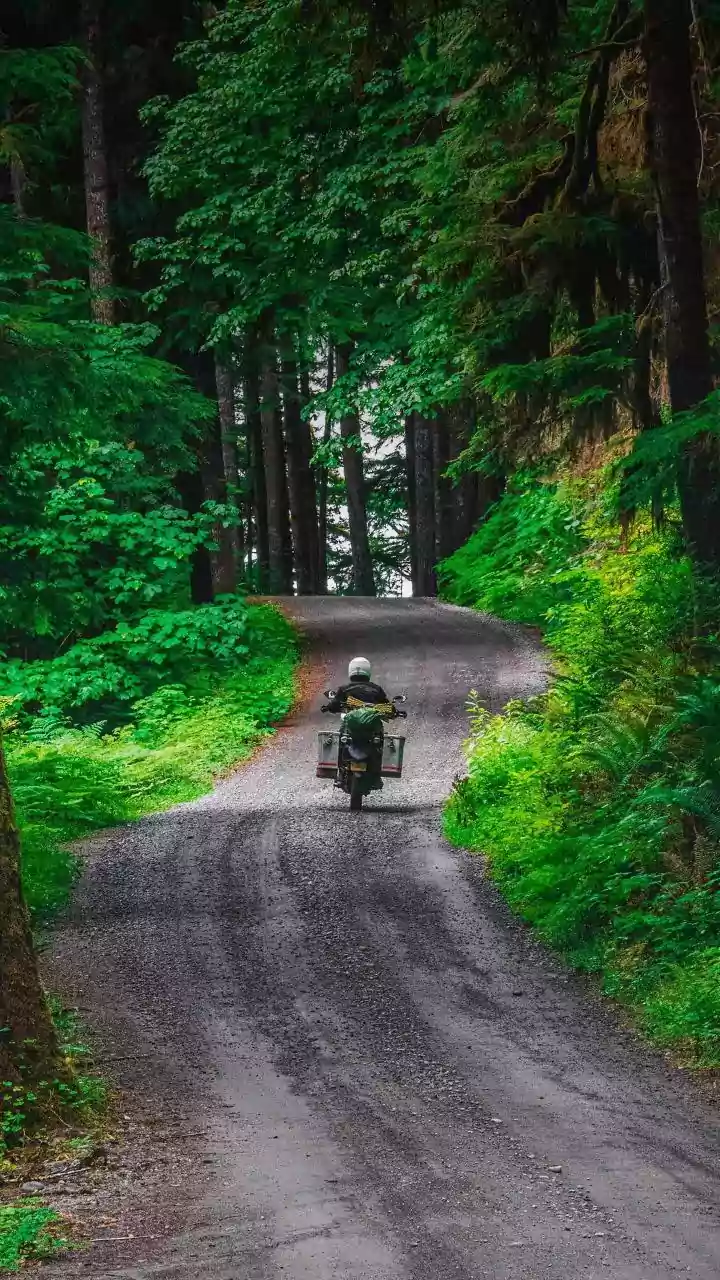
Monsoon travel requires flexibility and patience, especially when it comes to transport. Roads can be slippery, waterlogged, or blocked by landslides, so always check weather and traffic updates before starting a road trip. If driving, reduce your speed and never attempt to cross flooded streets. Train schedules can also be affected by heavy rains, leading to delays or cancellations. It's crucial to build buffer days into your itinerary to avoid missing connections. Flying can also face disruptions from turbulence and delays. Booking flexible tickets and opting for comprehensive travel insurance that covers weather-related cancellations and interruptions can provide a crucial financial safety net. Before heading to the station or airport, always check your train or flight status online.
Prioritise Health and Hygiene
The monsoon increases the risk of water-borne and mosquito-borne diseases like dengue and malaria. The most important rule is to drink only bottled, boiled, or purified water and completely avoid tap water. Be cautious with street food, as it may be exposed to contaminated water; opt for freshly prepared hot meals instead. Personal hygiene is paramount, so carry hand sanitiser and use it frequently. To protect yourself from mosquito bites, use a strong insect repellent, wear long-sleeved clothing, especially in the evenings, and consider using a mosquito net while sleeping. It’s also wise to carry a basic medical kit with medications for common ailments like fever, colds, and stomach issues.