

The Number One Cause: Dental Disease
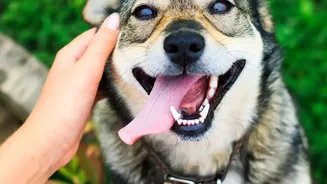
The most common culprit behind bad breath in pets of all ages is periodontal disease. This condition is shockingly common, affecting a majority of dogs and cats by the time they are three years old. It begins when bacteria, saliva, and food particles
form a sticky film called plaque on the teeth. If not removed, plaque hardens into tartar, leading to gum inflammation known as gingivitis. This is often the source of the foul smell. In young animals, this can be worsened by crowded teeth, especially in small or flat-faced breeds, or retained baby teeth that trap food and bacteria.
More Than Just an Unpleasant Smell
Dismissing dental disease as 'just bad breath' is a serious mistake. Untreated gingivitis can progress to periodontitis, a more severe condition that destroys the bone and tissues supporting the teeth. This causes significant pain, loose teeth, and tooth loss. Furthermore, the bacteria breeding in your pet's mouth can enter the bloodstream and travel to vital organs. This has been linked to damage to the heart, kidneys, and liver, turning a dental issue into a systemic health crisis.
When the Problem Isn't in the Teeth
While dental disease is the leading cause, bad breath can sometimes signal other health problems. An object like a piece of a stick or toy becoming lodged in the mouth can cause an infection and a sudden, terrible odour. In some cases, halitosis is a symptom of a deeper, systemic issue. For example, breath that has a sweet or fruity smell might indicate diabetes, while breath that smells like urine can be a sign of kidney disease. Gastrointestinal problems can also manifest as bad breath. While less common in younger animals, these serious conditions should be ruled out by a veterinarian if bad breath persists.
Your Action Plan: What to Do Now
If you notice persistent bad breath in your young pet, the first and most important step is to schedule an appointment with your veterinarian. A vet can perform a thorough oral examination to identify signs of dental disease, retained teeth, or foreign objects. Depending on the findings, they may recommend a professional dental cleaning under anaesthesia. This is the only way to safely and effectively remove tartar from below the gumline, where the real damage occurs. If the mouth appears healthy, your vet may suggest blood or urine tests to check for other underlying medical conditions.
Prevention Is the Best Medicine
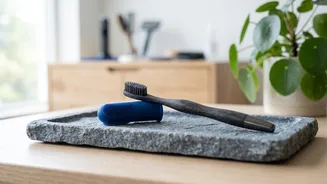
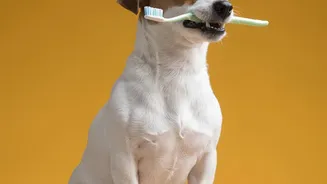
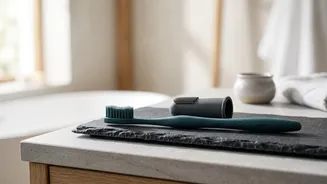
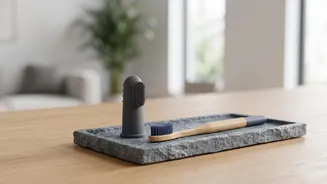
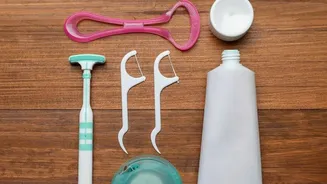
The key to avoiding serious dental issues is starting a preventative care routine early. Daily tooth brushing with a pet-specific toothpaste is the gold standard for removing plaque at home. Begin when your pet is a puppy or kitten to get them accustomed to the process. Supplement brushing with safe dental chews and toys that are approved by veterinarians to help mechanically scrape away plaque. Regular veterinary check-ups are also crucial. The American Animal Hospital Association (AAHA) recommends annual dental evaluations and cleanings starting as early as one year of age for cats and small dogs. This proactive approach not only keeps your pet's breath fresher but also helps prevent pain and costly procedures down the road.