


1. Kedarkantha Trek, Uttarakhand
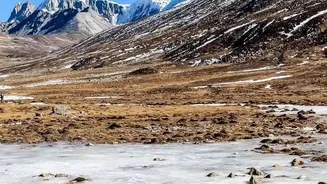
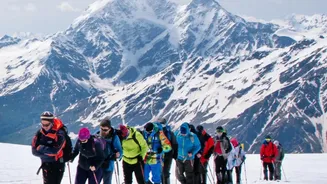
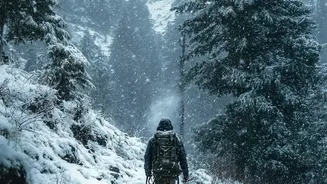
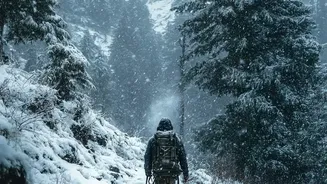
Often called the queen of winter treks, Kedarkantha is perfect for beginners. This 5-6 day journey from the base village of Sankri takes you through dense pine forests, past the frozen Juda-ka-Talab lake, and up to a rewarding 12,500 ft summit. The final
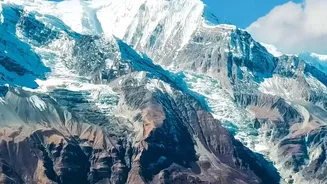
ascent offers a breathtaking 360-degree panorama of Himalayan giants like Swargarohini and Bandarpoonch. Its reliable snow cover from December to March makes it a classic first-time snow trekking experience.
2. Brahmatal Trek, Uttarakhand
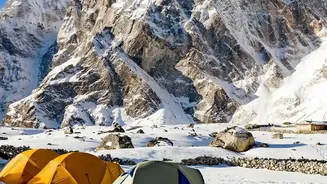
If frozen lakes and magnificent ridge walks are what you seek, Brahmatal is an excellent choice. This easy-to-moderate trek starts from Lohajung and climbs to reveal two high-altitude lakes, Bekaltal and Brahmatal. The trail is a mix of rhododendron forests and open meadows, culminating at Brahmatal Top (12,250 ft). From here, you get stunning frontal views of Mt. Trishul and Nanda Ghunti. The trek is typically completed in 6 days and is known for its beautiful campsites.
3. Dayara Bugyal Trek, Uttarakhand
Known for its vast, rolling meadows, Dayara Bugyal transforms into an endless expanse of soft snow in winter. Considered one of the most beautiful meadow treks in India, it’s suitable for families and beginners. The trail, starting from Barsu or Raithal, is a gentle climb through oak forests leading to the expansive 'bugyal' at 12,000 ft. The views of the Gangotri range and Bandarpoonch are simply spectacular, making it a perfect, serene winter escape.
4. Nag Tibba Trek, Uttarakhand
For those short on time, the Nag Tibba trek is the perfect weekend adventure. Just a few hours from Dehradun, this 2-day trek takes you to the highest peak in the lower Garhwal Himalayas at 9,915 ft. It's an easy-to-moderate trail ideal for beginners looking for their first taste of snow. While snowfall isn't always guaranteed, the summit provides stunning views of the Kedarnath, Gangotri, and Swargarohini peaks.
5. Kuari Pass Trek, Uttarakhand
Famous as Lord Curzon’s Trail, Kuari Pass offers some of the most impressive and wide-angle views of the Garhwal Himalayas. This moderate trek, taking about 6 days, rewards you with a postcard-perfect panorama that includes Nanda Devi, Dronagiri, and Chaukhamba. The trail from Joshimath passes through charming villages, dense forests, and snowy meadows, making it a diverse and fulfilling winter journey.
6. Sandakphu Trek, West Bengal
This is the only trek in India that offers views of four of the world's five highest peaks: Everest, Kanchenjunga, Lhotse, and Makalu. Located on the India-Nepal border, the Sandakphu trek is a moderate 6-7 day journey along the Singalila Ridge. In winter, especially from late December, the trail sees snowfall, and the clear, cold air provides exceptionally sharp mountain views. The unique experience of walking between two countries makes it a must-do.
7. Har Ki Dun Trek, Uttarakhand
Literally translating to the 'Valley of Gods', this cradle-shaped valley trek is as much a cultural journey as it is a natural one. The moderate trail follows the Supin River, passing through ancient Himalayan villages like Osla, where life has remained unchanged for centuries. While the trek is stunning, its accessibility in deep winter (December-January) can be uncertain due to heavy snow and forest department regulations, so always verify its status before planning.
8. Chandrashila Trek, Uttarakhand
Combined with a visit to the Deoriatal lake and the ancient Tungnath temple (the world's highest Shiva shrine), this trek is a fantastic blend of nature and spirituality. It's a relatively short and easy-to-moderate trek that offers an unbeatable 270-degree view of Himalayan peaks. Though the temple itself is often closed in deep winter, the climb to the Chandrashila summit at around 13,000 ft provides a feeling of immense accomplishment.
9. Chadar Trek, Ladakh
The Chadar Trek is not just a hike; it's a unique and challenging expedition walking on the frozen Zanskar River. This is a difficult, high-stakes trek for experienced adventurers only, undertaken in the harsh Ladakhi winter months of January and February when temperatures can drop below -25°C. The route takes you through a dramatic gorge, past frozen waterfalls and ice formations, offering an experience that is truly once-in-a-lifetime. Strict acclimatization and medical checks are mandatory.
What To Know: A Seasonal Guide
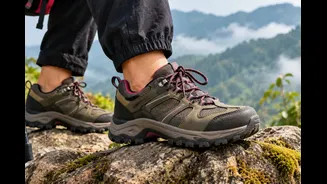
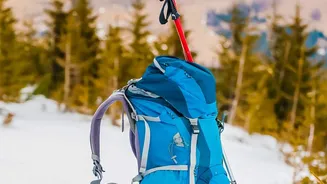
Winter trekking requires more preparation than summer hiking. The key is layering your clothing: start with a moisture-wicking base layer, add a fleece or insulating mid-layer, and finish with a waterproof and windproof outer shell. Good quality, waterproof trekking boots with strong grip are non-negotiable, and microspikes or crampons are essential for icy patches. Always acclimatize properly to the altitude by ascending gradually and staying hydrated. Finally, since weather in the mountains is unpredictable, it's safest to go with a certified guide or a reputable trekking company, especially on less-trafficked or challenging routes.