




Your Digital Toolkit for Weather Watching
Spontaneity is a joy of travel, but the monsoon demands preparation. The most critical first step is to become a diligent weather-watcher. For the most reliable information, turn to the government's official India Meteorological Department (IMD) through
its 'MAUSAM' app. It provides district-level forecasts, radar imagery, and proactive warnings for severe weather events like heavy rainfall and cyclones. Private players like Skymet Weather and AccuWeather are also excellent resources. Skymet offers detailed analysis from a vast network of weather stations across India, while AccuWeather provides minute-by-minute precipitation forecasts, telling you almost exactly when the rain will start and stop. Using a combination of these apps a few days before and during your trip will provide a comprehensive view of what to expect, allowing you to plan your activities and travel times accordingly.
Mastering the Art of the Route Check
A clear weather forecast for your destination is only half the battle; the journey itself is equally important. Monsoon rains can cause landslides, flash floods, and road closures, especially in hilly and coastal areas. Before you start your drive, consult navigation apps like Google Maps and Mappls. These platforms now allow users to report incidents like waterlogging, road closures, and accidents, providing real-time alerts to other travellers. For major highways, check for updates from the National Highways Authority of India (NHAI). Many state police and district disaster management authorities also post real-time road status updates on social media platforms. A quick search for the official account of the district you're heading to can save you hours of being stuck in traffic. It’s also wise to call your hotel or homestay on the day of travel. Local hosts have the most current information about approach roads and regional disruptions.
Choosing Your Destination Wisely
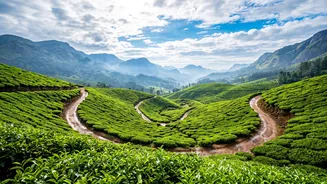
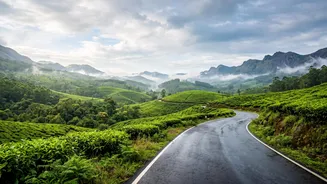
Not all destinations are created equal during the monsoon. While some regions become prone to landslides and flooding, others transform into lush paradises. Hill stations in the Western Ghats like Munnar in Kerala, Coorg in Karnataka, and Lonavala in Maharashtra are popular choices, offering misty landscapes and roaring waterfalls. However, it's crucial to select destinations with reliable infrastructure. Alternatively, consider places that receive less rainfall. Rajasthan's 'City of Lakes', Udaipur, becomes incredibly romantic with pleasant weather and fewer tourists. High-altitude rain-shadow regions like Ladakh and Spiti Valley remain almost entirely dry, offering a completely different but equally stunning landscape for adventure seekers. The key is to assess your risk appetite and choose a location where the rewards of monsoon beauty outweigh the potential travel challenges.
The Essential Monsoon Packing Strategy
Packing for a monsoon trip requires a specific strategy: prioritise items that are waterproof or dry quickly. Swap your cotton clothes for synthetic fabrics like polyester and nylon, which dry much faster in high humidity. A lightweight, waterproof rain jacket is often more practical than an umbrella, which can be useless against strong winds. Footwear is critical; opt for waterproof sandals or shoes with good grip to navigate slippery surfaces and waterlogged streets. Protect your electronics with waterproof bags or pouches. A quick-dry microfibre towel, insect repellent containing DEET, and a basic first-aid kit with medicines for common ailments like flu and indigestion are also non-negotiable essentials. Packing light is still the goal, as laundry services are widely available and affordable.
On-the-Road Safety and Health
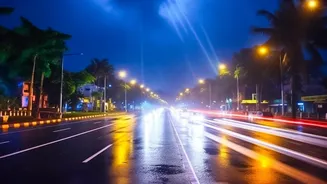
Once you're on your way, a few safety practices will ensure a smooth journey. If you're driving, do it cautiously. Avoid high speeds on wet roads, maintain a safe distance from the vehicle ahead, and check your tyres and wipers before you begin. Driving at night in hilly areas during heavy rain is best avoided due to poor visibility and the risk of falling debris. Be mindful of your health. Waterborne diseases are more common during the monsoon, so stick to bottled or purified water and eat freshly prepared food from hygienic places. Finally, build flexibility into your itinerary. The monsoon can be unpredictable, and having buffer days can turn a potential delay from a crisis into a welcome chance to relax with a cup of chai and enjoy the rain.